A new release of previously unseen photographs from the estate of disgraced financier Jeffrey Epstein has reignited public scrutiny of the powerful figures who moved within his social orbit, as House Oversight Committee Democrats continue a sweeping review of documents, emails, and digital materials linked to his activities. The images, disclosed over recent weeks and expanded in a new release on December 12, are part of a broader congressional effort to provide transparency into Epstein’s network and how he maintained access to influential circles for years.
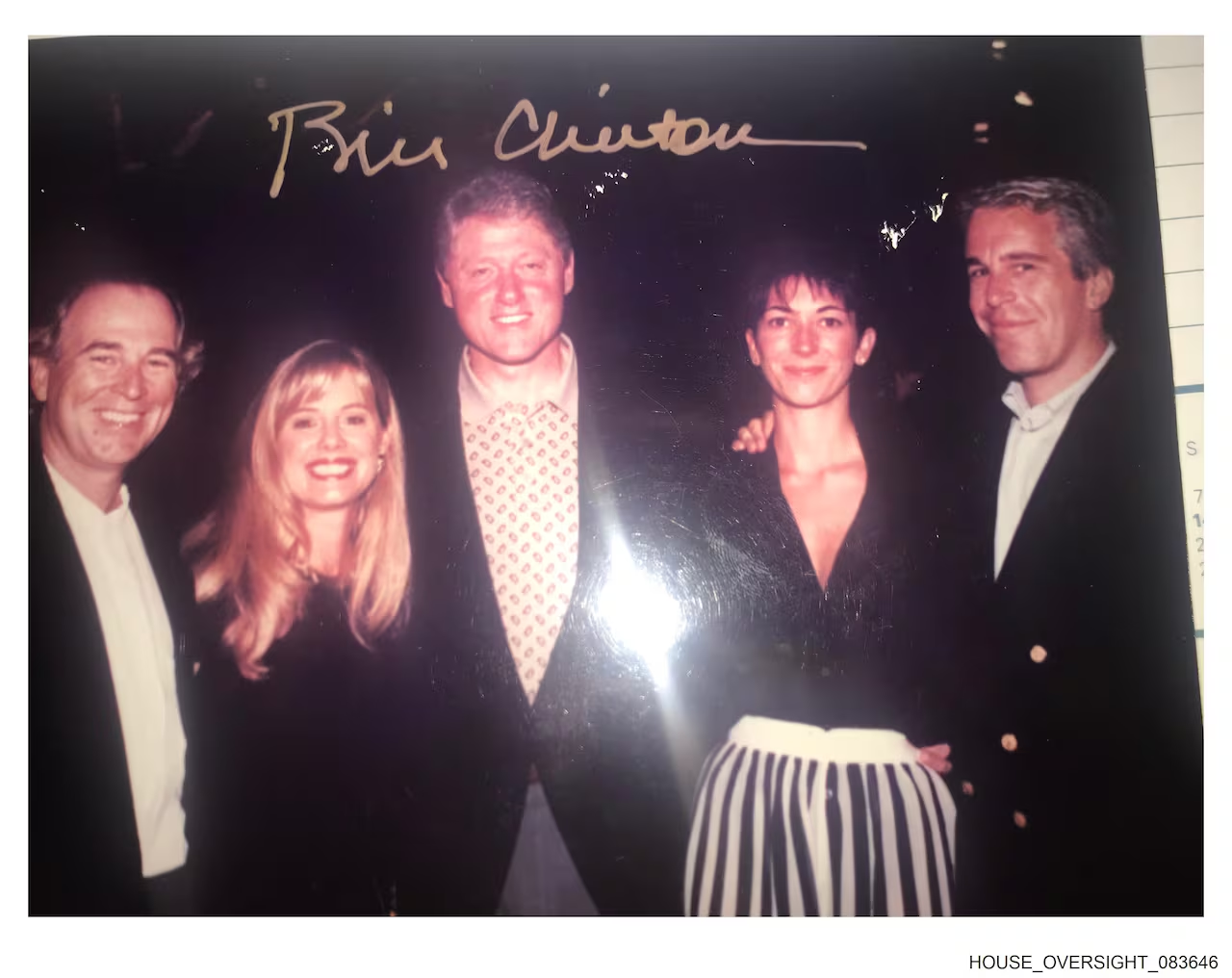
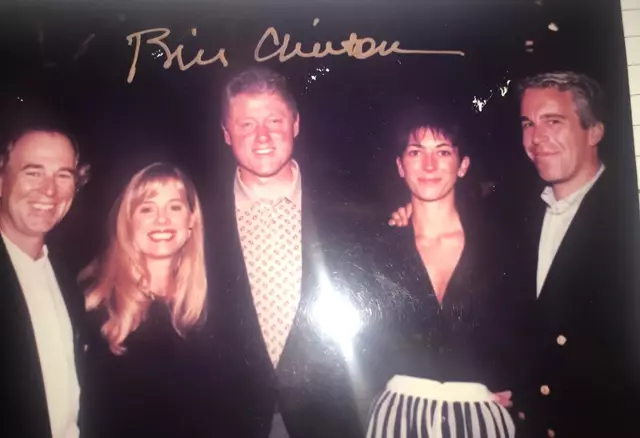
At the center of the latest release are photographs involving former President Bill Clinton, whose appearance in the material has drawn immediate attention. One image appears to show Clinton smiling alongside Epstein and Ghislaine Maxwell, Epstein’s longtime associate who was later convicted on federal sex trafficking charges. The photograph reportedly bears Clinton’s signature, though lawmakers have not publicly detailed when or where the image was taken.
Clinton has never been accused of criminal wrongdoing in connection with Epstein. Following Epstein’s 2019 arrest, a spokesperson for the former president acknowledged that Clinton traveled on Epstein’s private plane on four occasions in the early 2000s, describing the trips as related to humanitarian and foundation work. The spokesperson emphasized that Clinton had no knowledge of Epstein’s criminal conduct and cut off contact long before Epstein’s later legal troubles. Nevertheless, Clinton’s presence in the newly released photos underscores how closely Epstein was able to associate with global political figures.
The images are part of a massive archive—more than 95,000 photographs, according to House Oversight Committee Democrats—that includes pictures of Epstein’s residences, thousands of images of women, and photographs depicting prominent individuals from politics, business, and entertainment. Committee members say they are still reviewing the full cache and plan to release additional material in phases, carefully redacting sensitive information where necessary.
Epstein, a wealthy financier with ties to elite social circles, was first convicted in 2008 on state-level sex offenses in Florida. In 2019, he was arrested again on federal sex trafficking charges involving minors. He died by suicide in a New York jail on August 10, 2019, while awaiting trial—a death that intensified public suspicion about his relationships and the systems that had enabled him to evade accountability for so long.
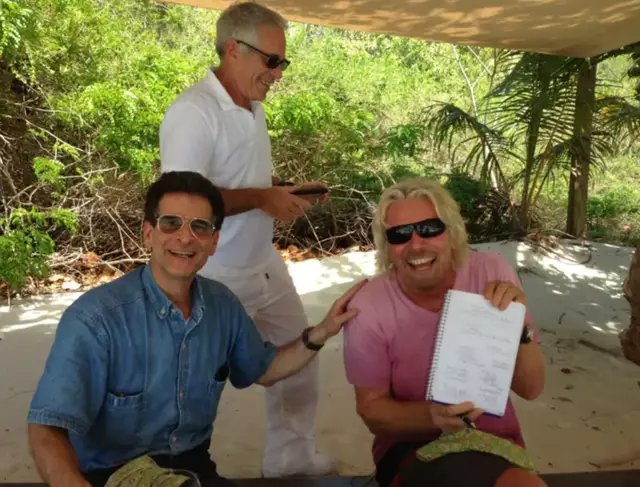
Beyond Clinton, the newly surfaced photographs also include images involving British billionaire Richard Branson, founder of the Virgin Group. One photograph shows Epstein walking behind Branson, who appears to be holding a notebook. The image offers no clear context, and there is no indication of wrongdoing by Branson. In past statements, Branson and his representatives have condemned Epstein’s actions, describing them as “abhorrent,” while expressing support for justice for victims.
Branson’s inclusion in the photo archive highlights the breadth of Epstein’s social reach. Known for cultivating relationships with influential figures across industries, Epstein frequently positioned himself in elite settings that allowed him proximity to world leaders, entrepreneurs, and cultural figures. Critics argue that this access helped shield him from scrutiny for years.
Technology entrepreneur Bill Gates also appears in several of the released photographs. Gates can be seen in images standing near a small aircraft and alongside other individuals. Gates has publicly acknowledged meeting Epstein multiple times in the past, later calling those interactions a “huge mistake.” In a 2021 interview, Gates said he regrets spending time with Epstein and giving him legitimacy through those meetings. Like others named in the release, Gates has not been accused of criminal conduct related to Epstein.
Legal scholar Alan Dershowitz, who previously served as one of Epstein’s attorneys, is also among those appearing in the broader archive. Dershowitz has long denied allegations related to Epstein and has not been charged with any crimes. His inclusion reflects Epstein’s extensive connections within legal and academic circles, further illustrating the diverse range of influential figures he encountered.
The House Oversight Committee has been careful to emphasize that the release of photographs does not equate to allegations of criminal behavior. Lawmakers stress that appearing in a photograph with Epstein does not imply knowledge of or participation in his crimes. Instead, the committee says the purpose of the release is to document Epstein’s associations and provide the public with a clearer picture of the social environment in which he operated.
Still, the images have fueled renewed debate about accountability and transparency. Victims’ advocates argue that understanding Epstein’s network is essential to preventing similar abuses of power in the future. They contend that public disclosure, even when uncomfortable, plays a crucial role in exposing how wealth and influence can insulate individuals from consequences.
The release has also sparked partisan tension. Some Republicans have accused Democrats of selectively releasing images to shape narratives or target specific individuals. Committee Democrats deny those claims, stating that the review process is ongoing and that materials are being released methodically as they are examined and cleared for public disclosure.
In a statement accompanying the latest batch of photos, committee Democrats said they are committed to continuing their review and releasing additional materials in the coming weeks. They emphasized that redactions are being applied to protect privacy and avoid compromising ongoing investigations, while still honoring the public’s interest in transparency.
Epstein’s case remains one of the most disturbing examples of systemic failure in recent history, exposing gaps in law enforcement, prosecutorial discretion, and institutional oversight. The continued release of documents and images serves as a reminder of how deeply embedded Epstein was within elite circles—and how difficult it can be to disentangle proximity from accountability.
As more photographs are reviewed and potentially released, attention is likely to remain focused on familiar names such as Clinton, Branson, and Gates, as well as others whose associations with Epstein are less well known. For lawmakers, advocates, and the public alike, the challenge will be distinguishing documented contact from culpability, while ensuring that the broader lessons of the Epstein case are not forgotten.
The House Oversight Committee says its work is far from finished. With tens of thousands of images still under review, the coming months may bring further revelations—not necessarily of criminal conduct, but of the expansive and troubling social network that allowed Jeffrey Epstein to operate in plain sight for years.