
North Carolina State Representative Julie von Haefen is under fire after photos surfaced of her holding effigies resembling the severed heads of former President Donald Trump and senior advisor Stephen Miller during a heated protest in Raleigh. The disturbing imagery, captured at Sunday’s “No Kings” rally, has ignited a firestorm of criticism from Republican leaders and conservative groups, with some accusing von Haefen of promoting political violence.
The protest, part of a broader nationwide demonstration against federal immigration enforcement and recent military deployments in major cities, was promoted by both the North Carolina Democratic Party and Wake County Democrats. Von Haefen, a Democrat representing North Carolina’s 36th District since 2019, was photographed prominently at the Capitol event, clutching two realistic-looking faux heads and standing beside a banner that read: “In These Difficult Times, Some Cuts May Be Necessary.”
The symbolism was immediately interpreted by critics as a call for violence. Social media erupted with accusations that von Haefen had crossed a dangerous line, especially given the highly charged political climate and ongoing debates over extremism and political rhetoric.
Making matters worse for the embattled lawmaker, von Haefen herself shared the photos on Facebook shortly after the protest. In the caption, she celebrated the event’s turnout, writing:
“Amazing turnout all across the Triangle today, including this event at the Capitol hosted by @wakedems and @ncdemocrats #lfg #nokings #nokingsprotest #nokingsinamerica #raleigh #raleighnc.”
Republicans were quick to respond. North Carolina GOP Chair Michael Whatley condemned the post as “disgusting and unacceptable,” calling on state Democratic leaders to publicly disavow von Haefen’s actions. “This kind of violent imagery has no place in our political discourse,” Whatley said. “Elected officials should be promoting peace, not hate.”
Former Trump advisor Stephen Miller issued a statement calling the act “grotesque and deranged,” adding that “anyone normalizing or celebrating this kind of behavior is endangering democracy.”
So far, von Haefen has not issued an apology or responded to calls for her resignation. Democratic Party leaders have also remained silent, though internal sources suggest party officials were caught off guard by the photo and are currently discussing next steps.
The incident adds to the growing scrutiny of the “No Kings” protest movement, which has drawn national attention for its increasingly provocative messaging and radical imagery. With the 2026 midterms approaching, moments like this are likely to fuel further polarization — and spark deeper questions about the role of rhetoric in American politics.
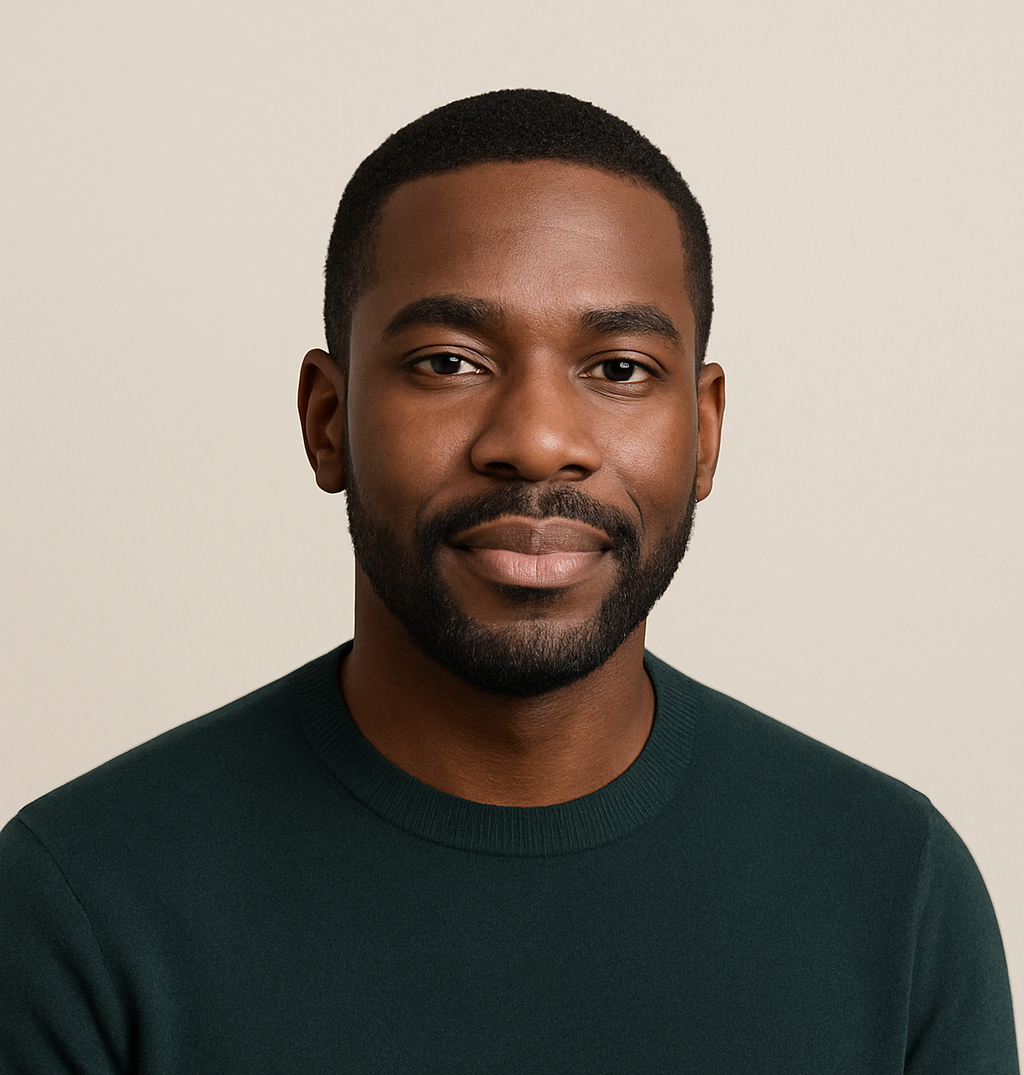
James Jenkins is a celebrated Pulitzer Prize-winning author whose work has reshaped the way readers think about social justice and human rights in America. Raised in Atlanta, Georgia, James grew up in a community that instilled in him both resilience and a strong sense of responsibility toward others. After studying political science and creative writing at Howard University, he worked as a journalist covering civil rights issues before dedicating himself fully to fiction. His novels are known for their sharp, empathetic portraits of marginalized communities and for weaving personal stories with broader political realities. Jenkins’s breakout novel, Shadows of Freedom, won national acclaim for its unflinching look at systemic inequality, while his more recent works explore themes of identity, resilience, and the fight for dignity in the face of oppression. Beyond his novels, James is an active public speaker, lecturing at universities and participating in nonprofit initiatives that support literacy and community empowerment. He believes that storytelling is a way to preserve history and inspire change. When not writing, James enjoys jazz music, mentoring young writers, and traveling with his family to explore cultures and stories around the world.