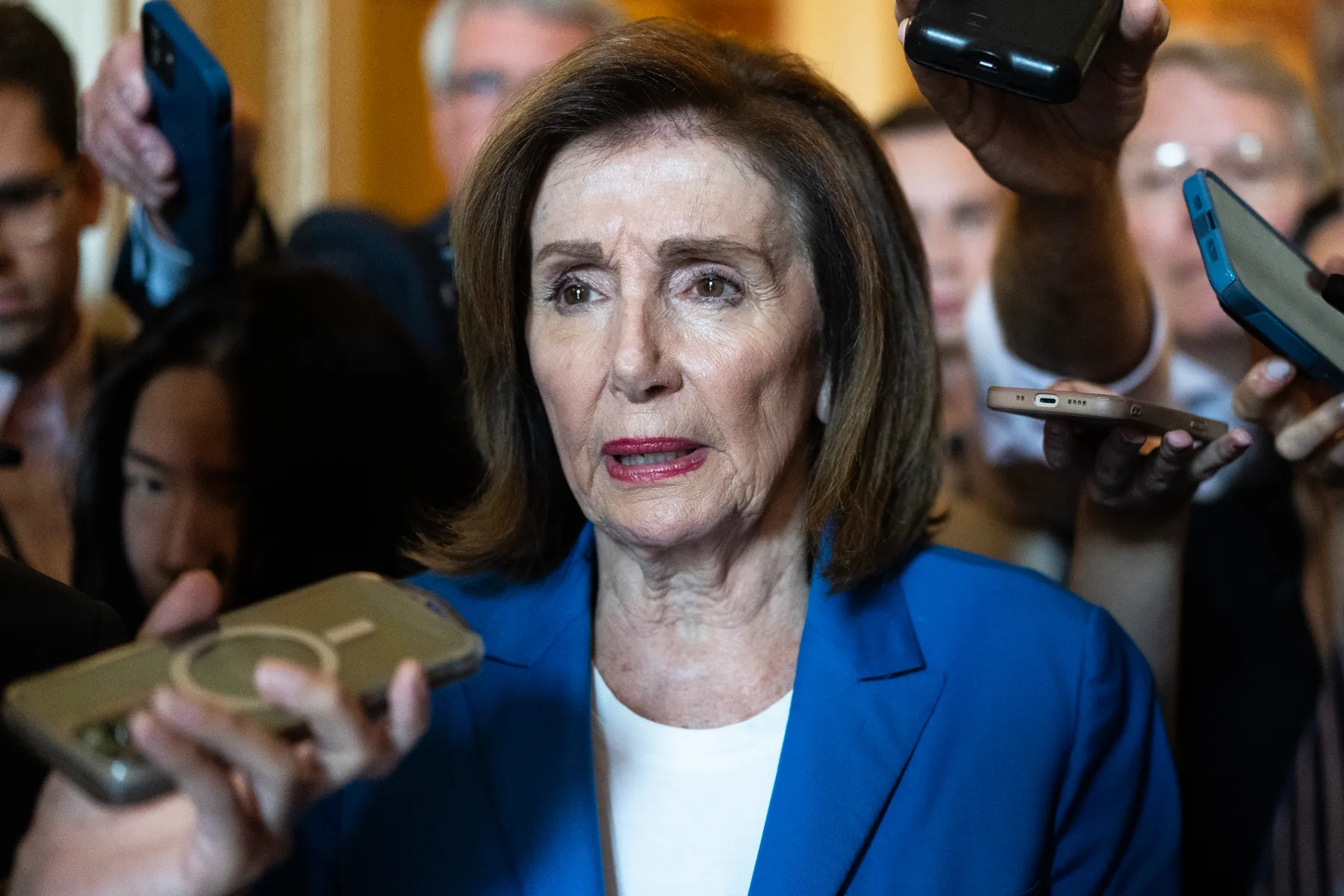
In a stretch of political life that has spanned nearly four decades, few American politicians have left as sizable an imprint on the nation’s legislative landscape as Nancy Pelosi. From her rise as a formidable House leader to her historic tenure as the first female Speaker of the U.S. House of Representatives, Pelosi’s career has been defined by both significant achievements and persistent controversy.
Now, as she prepares to retire from Congress at the end of her current term, a new chapter in the conversation about her influence — and its lasting implications — is emerging. What once seemed like a straightforward narrative of political success is increasingly contested, even within her own party. The discussion now centers not only on her impressive accomplishments but also on how her legacy will be remembered by history.
The unfolding debate offers a window into how congressional leadership, power, ethics, and public perception intersect at the highest levels of American politics.
A Long and Influential Career
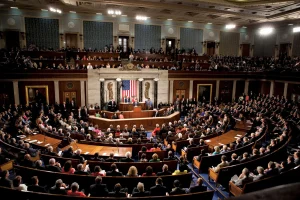
Nancy Pelosi entered Congress in 1987, representing California’s 11th Congressional District, long considered a strong Democratic seat. Over the years, she rose through the ranks of party leadership, ultimately being elected House Democratic Leader in 2003. In 2007 she became the first woman to serve as Speaker of the House — a role she would hold again from 2019 to 2023.
Pelosi’s tenure as speaker was marked by major legislative achievements, including efforts to pass health care reform during the Obama years and shepherding the Democratic agenda through a sharply divided Congress. Her strategic acumen and command of complex legislative negotiations earned respect from allies and adversaries alike.
Yet her leadership was never without controversy. Pelosi’s powerful position often made her a lightning rod for criticism from Republicans and observers who argued that her approach to power was too forceful, too partisan, or too strategic for its own sake.
The End of an Era
In November 2025, Pelosi announced that she will not run for re-election to the House of Representatives, and that she intends to retire when her term ends in January 2027. After nearly 40 years in office, the decision marks the end of one of the longest and most influential congressional careers in modern American history.
Her impending retirement has prompted renewed scrutiny of her time in public office, with supporters celebrating her pioneering roles and critics sharpening their assessments of her decisions and priorities.
Part of this reassessment is due not only to Pelosi’s departure but to the broader changes within American politics — where debates about ethics, governance, and accountability have grown louder in recent years.
The Controversy Over Congressional Stock Trading
Perhaps the most persistent and contentious issue now shaping discussions of Pelosi’s legacy revolves around financial ethics — specifically, the stock trading activities associated with her family.
Although Nancy Pelosi herself does not personally trade stocks, her husband, Paul Pelosi, a venture capitalist, has been an active investor. Over the years, the Pelosis’ wealth has grown substantially, a fact that has drawn intense scrutiny as concerns about members of Congress and access to privileged information have gained bipartisan attention.
Critics argue that the extraordinary growth of the family’s portfolio — which reportedly outperformed many market benchmarks — creates the perception of impropriety, even if no formal charges or investigations have been brought against Pelosi herself. This controversy has only intensified calls for stricter rules governing stock trading by legislators and their immediate families.
Supporters of Pelosi push back on such criticisms, noting that she has no direct ownership in these trades and that there is no evidence she influenced her husband’s investment decisions. Nonetheless, the debate has added complexity to public judgment of her legacy.
Public Perception and Political Polarization
Perception, of course, plays a powerful role in how political figures are remembered.
Pelosi’s supporters commend her for her leadership during some of the most pivotal legislative moments of recent decades, often highlighting her skillful navigation of divided government and her role in advancing Democratic priorities.
Conversely, some critics — especially in conservative circles — portray her as emblematic of entrenched political elites. That narrative has been amplified by the stock trading controversy and by partisan attacks that depict her as out of step with everyday Americans.
The polarized nature of modern political discourse means that Pelosi’s legacy — like her career — is unlikely to be viewed uniformly. Instead, it will be interpreted through distinct ideological lenses that reflect broader divisions in the country.
Pelosi’s Views on Future Leadership
In recent interviews, Pelosi has weighed in on the future of American leadership, sharing her perspective on a range of issues that extend beyond her immediate retirement plans.
In one notable instance, she expressed skepticism that the United States would elect a female president in her own lifetime, describing the persistent challenges women face in national politics — what she referred to as a “marble ceiling.”
Pelosi pointed to the presidential campaigns of high-profile women such as Hillary Clinton and Kamala Harris as evidence of both progress and persistent obstacles. Her remarks have sparked conversations about gender, leadership, and the pace of cultural change in American electoral politics.
These reflections hint at Pelosi’s broader concerns about the future trajectory of the Democratic Party and national leadership, even as she steps back from formal political roles.
Impeachment and Constitutional Considerations
Further highlighting her continued engagement with national issues, Pelosi has commented on the question of whether Democrats should pursue a third impeachment of former President Donald Trump if they regain control of the House in 2026.
In a recent interview, she stated emphatically that impeachment should only be pursued if there is clear constitutional cause — not as a partisan exercise. She stressed that any such action must be grounded in legitimate evidence and due process, emphasizing respect for constitutional norms.
This stance aligns with her long record of positioning herself as a defender of institutional integrity, even as she faces criticism from all sides about how best to uphold democratic principles.
Legacy and the Road Ahead
As Pelosi’s retirement nears, members of both political parties are beginning to position themselves for the shifting landscape her departure will create — particularly in California’s 11th Congressional District, where primary contests are already underway to succeed her.
For Democrats, the question of leadership succession encapsulates a larger debate about the direction of the party: whether to embrace a new generation of lawmakers with fresh perspectives or to retain the strategic instincts that figures like Pelosi brought to the national stage.
Regardless of one’s political perspective, Pelosi’s impact on American politics is undeniable. Few lawmakers in modern times have exercised authority as consistently or as visibly as she has — and few have sparked such intense and multifaceted debate about what leadership means in a democracy.
As the nation reflects on her contributions and controversies, the broader conversation will ultimately extend beyond one individual to encompass the evolving expectations Americans hold for their elected representatives.

Emily Johnson is a critically acclaimed essayist and novelist known for her thought-provoking works centered on feminism, women’s rights, and modern relationships. Born and raised in Portland, Oregon, Emily grew up with a deep love of books, often spending her afternoons at her local library. She went on to study literature and gender studies at UCLA, where she became deeply involved in activism and began publishing essays in campus journals. Her debut essay collection, Voices Unbound, struck a chord with readers nationwide for its fearless exploration of gender dynamics, identity, and the challenges faced by women in contemporary society. Emily later transitioned into fiction, writing novels that balance compelling storytelling with social commentary. Her protagonists are often strong, multidimensional women navigating love, ambition, and the struggles of everyday life, making her a favorite among readers who crave authentic, relatable narratives. Critics praise her ability to merge personal intimacy with universal themes. Off the page, Emily is an advocate for women in publishing, leading workshops that encourage young female writers to embrace their voices. She lives in Seattle with her partner and two rescue cats, where she continues to write, teach, and inspire a new generation of storytellers.