A beloved jazz musician, renowned for his virtuosity on both the saxophone and clarinet and celebrated for his witty, engaging stage persona, has died at the age of 66. He passed away aboard a cruise ship where he had been scheduled to perform, leaving fellow musicians, fans, and cruise guests in shock and mourning the loss of one of jazz’s most dynamic performers.
He had been privately battling multiple myeloma, a serious cancer of the plasma cells in the bone marrow, for several years. Despite his illness, he continued to perform and maintain an active presence in the jazz world, demonstrating the same dedication and passion that defined his decades-long career. Friends and colleagues described his approach to his illness as courageous and humorous, reflecting the qualities that also defined his music and interactions with audiences.
Ken Peplowski had been booked as part of a quartet on a major jazz cruise, a festival held aboard a ship that attracts top artists and fans from around the world. When he failed to appear for a scheduled performance, a search led to the discovery of his body in his cabin. Passengers were informed that evening, prompting stunned silence and an outpouring of grief.
Cruise executives described him as not only a brilliant musician but also a consummate entertainer who respected the bandstand and connected deeply with audiences. Fellow performers noted that he approached every set fully prepared, combining technical skill with warmth, humor, and charm. The cruise organizers announced plans for a more extensive tribute to honor his life and career.
Born in Cleveland in 1959, he began playing clarinet at the age of nine, following his father’s encouragement. His elder brother played trumpet, and together they performed in a family polka band, gaining early experience and financial independence through local gigs. By his early teens, he was performing at weddings and community events, earning enough to buy a car once he learned to drive.
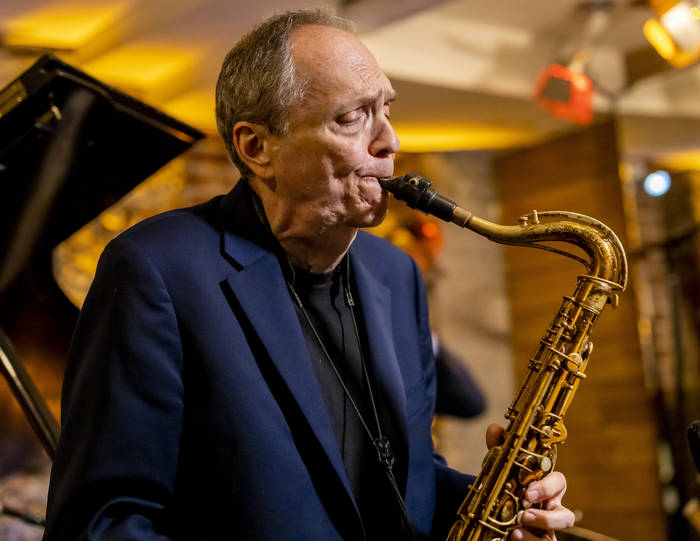
He honed his craft studying clarinet at Cleveland State University before launching his professional career with the Tommy Dorsey Orchestra at the age of 21. The orchestra, a holdover from the Big Band Era, provided a springboard for a distinguished jazz career. His talent, versatility, and flair quickly set him apart, establishing him as a standout musician capable of moving effortlessly between clarinet and saxophone while exploring a wide range of jazz styles.
Renowned for his humor and personable stage presence, he often spoke about keeping jazz accessible and lively, believing that music should engage and delight rather than intimidate. This philosophy endeared him to audiences and fellow musicians alike, making his performances memorable for both technical brilliance and infectious charm.
Throughout his career, he collaborated with many of the greatest figures in jazz, including Benny Goodman, who recruited him when returning from retirement. Peers recall his generosity, mentorship, and unwavering commitment to the music, qualities that made him a respected figure in the jazz community.
Even after being diagnosed with multiple myeloma, he remained dedicated to performing and mentoring, facing his illness with courage, fortitude, and humor. He often described jazz as a form of poetry, emphasizing improvisation as a means of connecting with others and conveying emotion beyond words.
Over the years, he recorded numerous albums and performed at major festivals and venues worldwide. His recordings and live performances left a lasting mark, showcasing a combination of technical mastery, emotional expression, and playful wit that few could match.
His death marks a significant loss for the jazz community, where he was admired not only for his artistry but also for his vibrant personality and dedication to the craft. Tributes continue to honor his life, reflecting the impact he had on audiences, fellow musicians, and the enduring legacy he leaves behind in the world of jazz.