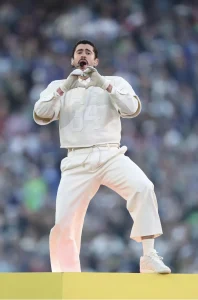

When the lights dimmed inside Levi’s Stadium during Super Bowl LX, the shift in atmosphere was immediate. What followed was not simply a pause between halves, but a carefully constructed performance that blended music, visual storytelling, and cultural symbolism. Bad Bunny’s halftime show quickly became one of the most talked-about moments of the night, prompting fans, critics, and commentators alike to revisit individual scenes long after the final whistle.
From the opening seconds, it was clear the performance aimed to be immersive. The stage design transformed the football field into a cinematic space, filled with dynamic lighting, large-scale visuals, and coordinated movement. Rather than relying on a single focal point, the show unfolded across multiple areas of the stage, encouraging viewers to continuously scan for details. This layered approach gave the performance a sense of momentum and depth that set it apart from more traditional halftime sets.
Bad Bunny moved through a medley of his most recognizable songs, seamlessly transitioning from one to the next without extended pauses. The choreography was tightly synchronized, combining high-energy dance sequences with moments of controlled stillness that allowed the visuals to take center stage. Fans quickly took to social media to comment on how fluid the transitions felt, with many noting that the performance played more like a narrative than a standard concert.
One of the earliest moments to capture widespread attention involved a sharply dressed couple who appeared repeatedly within the choreography. Initially, viewers assumed the pair were actors contributing to the visual story of the performance. As the show progressed, however, it became clear that there was more significance to their presence. Midway through the set, the audience learned that the couple was being married live during the halftime show itself.
The revelation added an unexpected emotional layer to the spectacle. Reports later confirmed that the couple had originally invited Bad Bunny to perform at their wedding. Instead, the artist surprised them by turning the halftime show into their ceremony, blending a deeply personal milestone with one of the most widely viewed entertainment events in the world. The moment was quickly shared across platforms, with many viewers describing it as heartfelt and symbolic of celebration on a global scale.
Surprise appearances continued to fuel online conversation throughout the performance. Lady Gaga’s appearance drew immediate cheers from the stadium and quickly became a trending topic. Her brief but impactful presence added a sense of unpredictability and star power, reinforcing the collaborative nature of the show. Ricky Martin also appeared, further emphasizing the performance’s celebration of Latin music and its global influence.
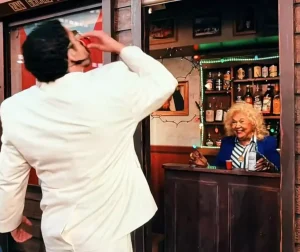
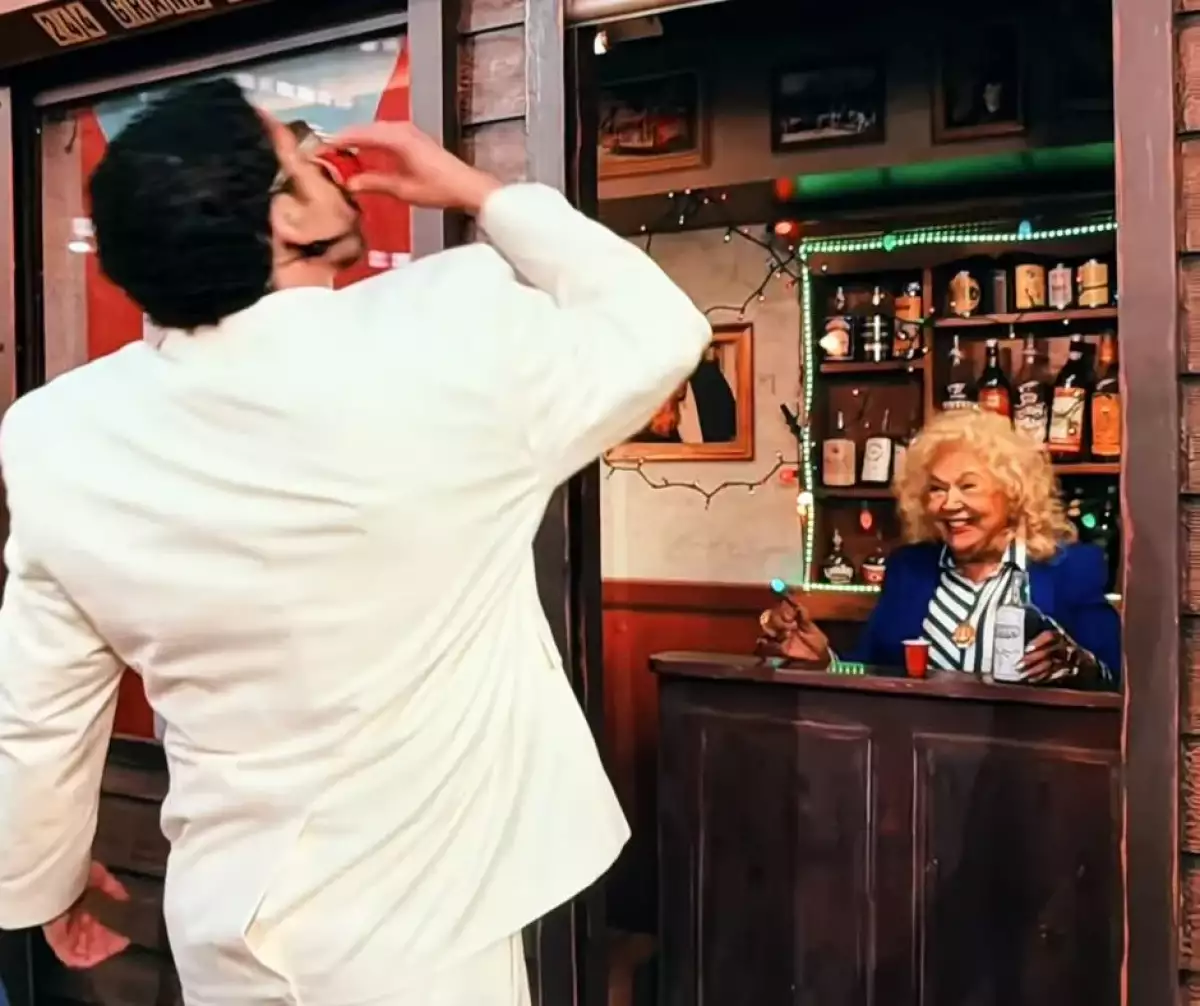
Beyond headline-grabbing guest appearances, smaller moments resonated strongly with fans. At one point, legendary performer Toñita stepped onto the stage and handed Bad Bunny a drink, creating a brief, playful pause in the performance. The unscripted feel of the interaction stood out amid the highly choreographed show, and clips of the moment spread rapidly online. For many viewers, it humanized the performance and added a sense of spontaneity to an otherwise meticulously planned event.
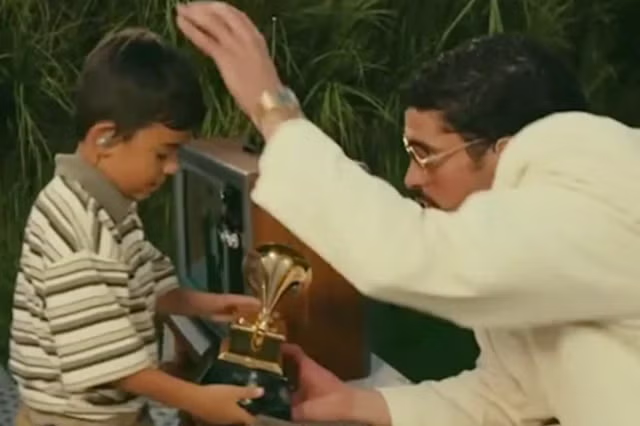
As the show moved toward its finale, another moment sparked intense discussion. Bad Bunny handed his Grammy Award to a young boy who had been featured onstage earlier in the performance. Almost immediately, speculation erupted online about the meaning behind the gesture. Some viewers interpreted it as a statement about legacy, others as a message about humility or passing the torch.
Subsequent reports clarified that the child was an actor representing Bad Bunny’s younger self. The symbolism, according to those familiar with the performance’s concept, was meant to reflect dreams, ambition, and the journey from childhood aspirations to global success. Once this context became known, many fans revisited the moment with a new perspective, praising the performance for weaving subtle storytelling into its visuals.
The final moments of the halftime show brought the performance together with a strong visual message displayed behind the stage. The imagery emphasized unity, positivity, and shared celebration, themes that resonated with many viewers regardless of their musical preferences. The conclusion felt intentional and reflective, offering a moment of calm after the high-energy spectacle that preceded it.
As with nearly every Super Bowl halftime show, reactions varied widely. Some viewers praised the performance as bold, creative, and culturally significant. Others felt it was too complex or unfamiliar, particularly for audiences less acquainted with Bad Bunny’s music. Still, the volume of discussion itself underscored the performance’s impact. Halftime shows are designed not only to entertain but to spark conversation, and this one succeeded on that front.
Public figures, fellow musicians, and commentators added fuel to the ongoing debate. Clips from the show circulated alongside reaction videos, opinion threads, and detailed breakdowns of individual moments. Rather than fading quickly, the performance continued to generate engagement in the days that followed, suggesting it had struck a chord beyond the initial broadcast.
What made this halftime show particularly notable was its layered approach. Rather than relying on a single viral moment, it offered multiple entry points for viewers to connect, whether through music, visuals, emotional storytelling, or cultural representation. Fans revisited the performance to catch details they may have missed the first time, further extending its lifespan online.
In the broader context of Super Bowl entertainment, Bad Bunny’s halftime show reflected the evolving nature of the event itself. As audiences become more global and culturally diverse, the halftime stage has increasingly served as a platform for artists who represent that shift. The performance highlighted how music can bridge languages and backgrounds through rhythm, imagery, and emotion.
While opinions remain divided, one point of agreement stands out: the show left a lasting impression. Whether praised or critiqued, it became a shared reference point for discussion, analysis, and debate. In that sense, the halftime show fulfilled one of its core purposes, bringing people together through conversation as much as through music.
Long after the stadium lights came back on and the game resumed, fans were still replaying clips, sharing theories, and discussing their favorite moments. For many, Bad Bunny delivered a halftime performance that went beyond entertainment, offering a mix of spectacle, storytelling, and surprise that ensured it would remain part of the Super Bowl conversation well after the season ended.

Emily Johnson is a critically acclaimed essayist and novelist known for her thought-provoking works centered on feminism, women’s rights, and modern relationships. Born and raised in Portland, Oregon, Emily grew up with a deep love of books, often spending her afternoons at her local library. She went on to study literature and gender studies at UCLA, where she became deeply involved in activism and began publishing essays in campus journals. Her debut essay collection, Voices Unbound, struck a chord with readers nationwide for its fearless exploration of gender dynamics, identity, and the challenges faced by women in contemporary society. Emily later transitioned into fiction, writing novels that balance compelling storytelling with social commentary. Her protagonists are often strong, multidimensional women navigating love, ambition, and the struggles of everyday life, making her a favorite among readers who crave authentic, relatable narratives. Critics praise her ability to merge personal intimacy with universal themes. Off the page, Emily is an advocate for women in publishing, leading workshops that encourage young female writers to embrace their voices. She lives in Seattle with her partner and two rescue cats, where she continues to write, teach, and inspire a new generation of storytellers.