



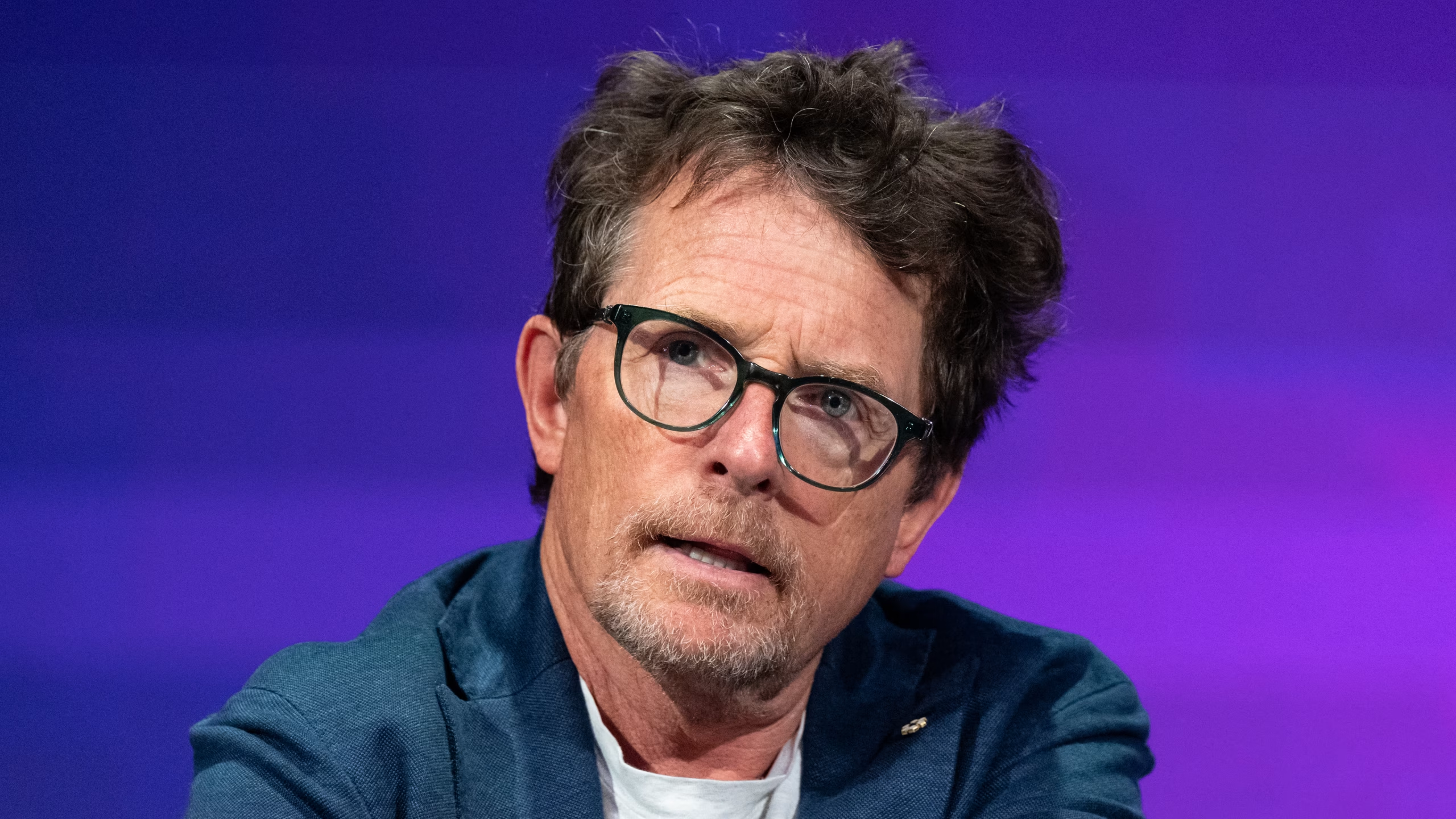
For more than three decades, one of Hollywood’s most familiar faces has lived with a diagnosis that permanently altered the course of his life. What began as a shocking medical reality in early adulthood gradually became a defining part of his public story — one marked not only by physical challenges, but by reflection, acceptance, and honesty.
Now in his mid-60s, the actor is speaking more openly than ever about what it means to age with a progressive neurological disease, and how years of adaptation have reshaped his views on life, work, and mortality.
His recent comments have resonated deeply with fans, not because of celebrity status, but because of their raw humanity.
A Diagnosis That Changed Everything
In the early 1990s, the future seemed wide open. A young actor, still in his twenties, was riding the momentum of extraordinary professional success. His career was thriving, his schedule was packed, and his name was everywhere.
Then came a diagnosis that few people his age ever expect to hear.
At just 29 years old, doctors told him he had Parkinson’s disease — a progressive neurological condition that affects movement, balance, and, over time, other aspects of physical and cognitive function.
At the time, his understanding of the disease was limited, and his fear was overwhelming. In later reflections, he would describe those early years as filled with uncertainty, anxiety, and the belief that everything he loved might suddenly be taken away.
Fame at Full Speed
The timing of the diagnosis could hardly have been more jarring.
Only months earlier, he had completed a string of performances that cemented his place in pop culture history. His work in a groundbreaking science-fiction trilogy had made him a global star, while other high-profile roles in comedy and drama showcased his versatility.
Awards and recognition followed quickly. Industry honors, critical acclaim, and fan devotion all arrived at once, reinforcing the sense that his career was only just beginning.
Behind the scenes, however, he was grappling with tremors, fatigue, and the emotional weight of a condition he barely understood.
Stepping Back From the Spotlight
In the years immediately following his diagnosis, he made the difficult decision to reduce his workload and retreat from the public eye. It wasn’t an act of surrender, but one of self-preservation.
He later wrote candidly about that period, describing how fear dominated his thinking. Parkinson’s, to him, represented not just a health challenge, but a looming end to creativity, purpose, and joy.
The uncertainty was profound. Would he still be able to act? Would audiences notice the changes? How long before the symptoms became impossible to hide?
These questions lingered long after the initial diagnosis, shaping both his career choices and his private life.
Living With an Unpredictable Disease
Parkinson’s disease does not follow a neat or predictable path. Symptoms can progress unevenly, vary from person to person, and fluctuate daily.
Over time, the actor learned that adaptation was not optional — it was essential.
Speaking recently while promoting a new memoir, he explained that Parkinson’s does not come with a clear timeline. There are no fixed stages that unfold in a predictable order. Instead, the condition behaves in ways that are often mysterious, changing without warning.
That unpredictability, he said, has been one of the most challenging aspects to accept.
Naming the Man Behind the Story
It is Michael J. Fox, now 65, who has spent more than half his life navigating this reality.
Diagnosed in 1991, Fox has lived with Parkinson’s disease for over 30 years — a span few patients reach with the condition. Over that time, he has become one of the most recognizable advocates for Parkinson’s research and awareness, while also continuing to work selectively in television, film, and writing.
His story has evolved from one of shock and fear to one of adaptation and resolve.
A New Perspective on Mortality
In a recent interview, Fox spoke candidly about how living with Parkinson’s for decades has shaped his thoughts about the end of life.
He acknowledged that the disease will ultimately be a factor in how his life concludes, a reality he has spent years contemplating. Rather than dramatizing the idea, he spoke with calm reflection.
Fox said that if he had a choice, he would hope for a peaceful passing — simply not waking up one day. The comment was not framed as despair, but as a desire for dignity and simplicity after a long medical journey.
He emphasized that he does not want his final moments to be marked by fear, chaos, or physical injury.
The Reality of Mobility Challenges
As the disease has progressed, movement has become increasingly difficult. Fox has been open about the risks he now faces in everyday life, including balance issues and falls.
Walking, he explained, is still possible, but not without danger. He described it as awkward and risky, something he must manage carefully as part of his daily routine.
Despite these challenges, his comments were delivered with characteristic restraint and even humor — an acknowledgment of reality without surrendering to it.
A Shift Away From Work
Fox has also acknowledged that he no longer works as frequently as he once did.
This shift has not been driven by lack of interest or creativity, but by physical limitations and the need to prioritize safety and well-being. Acting, once the center of his identity, has become something he approaches cautiously and selectively.
In recent years, his focus has turned increasingly toward writing, advocacy, and family life — areas where physical demands are more manageable.
Family as an Anchor
Throughout his journey, family has remained central.
Fox is a father of four and has been married for decades to his former co-star, Tracy Pollan. He has frequently credited his wife and children with providing stability, humor, and perspective during the most difficult periods of his illness.
Fatherhood, he has said in past interviews, helped him reframe success and purpose beyond career milestones.
Acceptance Without Surrender
What stands out in Fox’s recent remarks is not resignation, but acceptance.
After more than 30 years with Parkinson’s, he speaks not as someone defeated by illness, but as someone who has learned to live alongside it. His reflections on death are measured, thoughtful, and grounded in a desire for peace rather than fear.
They also reflect the reality faced by many people living long-term with chronic, progressive conditions — the need to confront difficult truths while still finding meaning in the present.
A Voice That Continues to Matter
Michael J. Fox’s willingness to speak openly about aging, illness, and mortality has made him a unique public figure. His story resonates not because of fame alone, but because it mirrors the experiences of countless families facing similar challenges away from the spotlight.
Decades after his diagnosis, his voice remains influential — not as a symbol of tragedy, but as an example of resilience, honesty, and humanity in the face of an unpredictable disease.
And for many, that honesty may be his most enduring legacy yet.
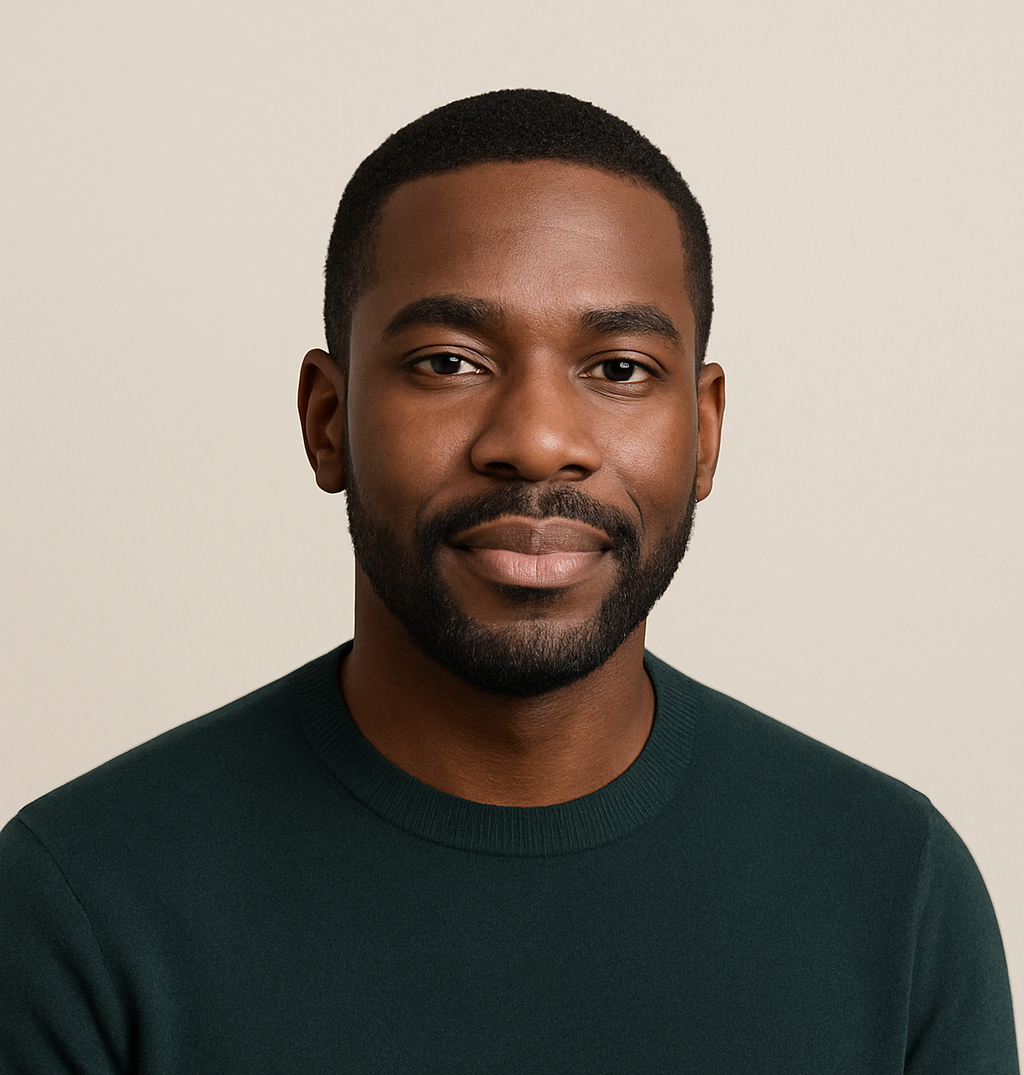
James Jenkins is a celebrated Pulitzer Prize-winning author whose work has reshaped the way readers think about social justice and human rights in America. Raised in Atlanta, Georgia, James grew up in a community that instilled in him both resilience and a strong sense of responsibility toward others. After studying political science and creative writing at Howard University, he worked as a journalist covering civil rights issues before dedicating himself fully to fiction. His novels are known for their sharp, empathetic portraits of marginalized communities and for weaving personal stories with broader political realities. Jenkins’s breakout novel, Shadows of Freedom, won national acclaim for its unflinching look at systemic inequality, while his more recent works explore themes of identity, resilience, and the fight for dignity in the face of oppression. Beyond his novels, James is an active public speaker, lecturing at universities and participating in nonprofit initiatives that support literacy and community empowerment. He believes that storytelling is a way to preserve history and inspire change. When not writing, James enjoys jazz music, mentoring young writers, and traveling with his family to explore cultures and stories around the world.