The fallout from the latest release of Jeffrey Epstein-related documents continues to reverberate through the lives of high-profile individuals, including Microsoft co-founder Bill Gates and his former wife, Melinda French Gates. Newly unsealed files from the US Department of Justice have drawn intense scrutiny, reigniting discussion over Gates’ connections to Epstein and raising questions about personal and professional boundaries among some of the world’s wealthiest and most influential figures.
The recently published batch of documents includes draft emails allegedly written by Epstein to himself, which contain claims regarding Gates contracting a sexually transmitted disease from Russian women and reportedly seeking Epstein’s assistance to secretly provide antibiotics to his wife, Melinda. One particularly striking draft, dated July 18, 2013, reportedly reads: “To add insult to the injury you then subsequently with tears in your eyes, implore me to please delete the emails regarding your STD, your request that I provide you antibiotics that you can surreptitiously give to Melinda, and the description of your penis.”
While these documents name Gates and describe disturbing allegations, they do not indicate that he engaged in any illegal activity. A spokesperson for Gates has strongly refuted the claims, describing them as “absolutely absurd and completely false.” The statement continued, asserting: “The only thing these documents demonstrate is Epstein’s frustration that he did not have an ongoing relationship with Gates and the lengths he would go to entrap and defame.” Experts caution that because the files are primarily drafts and internal notes created by Epstein, they must be viewed in context: Epstein’s history of manipulation and attempts at extortion makes them an unreliable reflection of actual events.
Nevertheless, the documents have drawn attention to Gates’ past interactions with Epstein, which have been publicly acknowledged in recent years. Gates has admitted to multiple meetings with Epstein, describing the association as “a huge mistake.” He claimed that his engagement with Epstein was motivated by philanthropic interests, particularly in global health, but ultimately proved counterproductive and ill-advised. Speaking to the Wall Street Journal in 2025, Gates said: “He sort of got time with various people by spending time with other people. So yes, I think I was quite stupid. I thought it would help me with global health philanthropy. In fact, it failed to do that and it was just a huge mistake.”
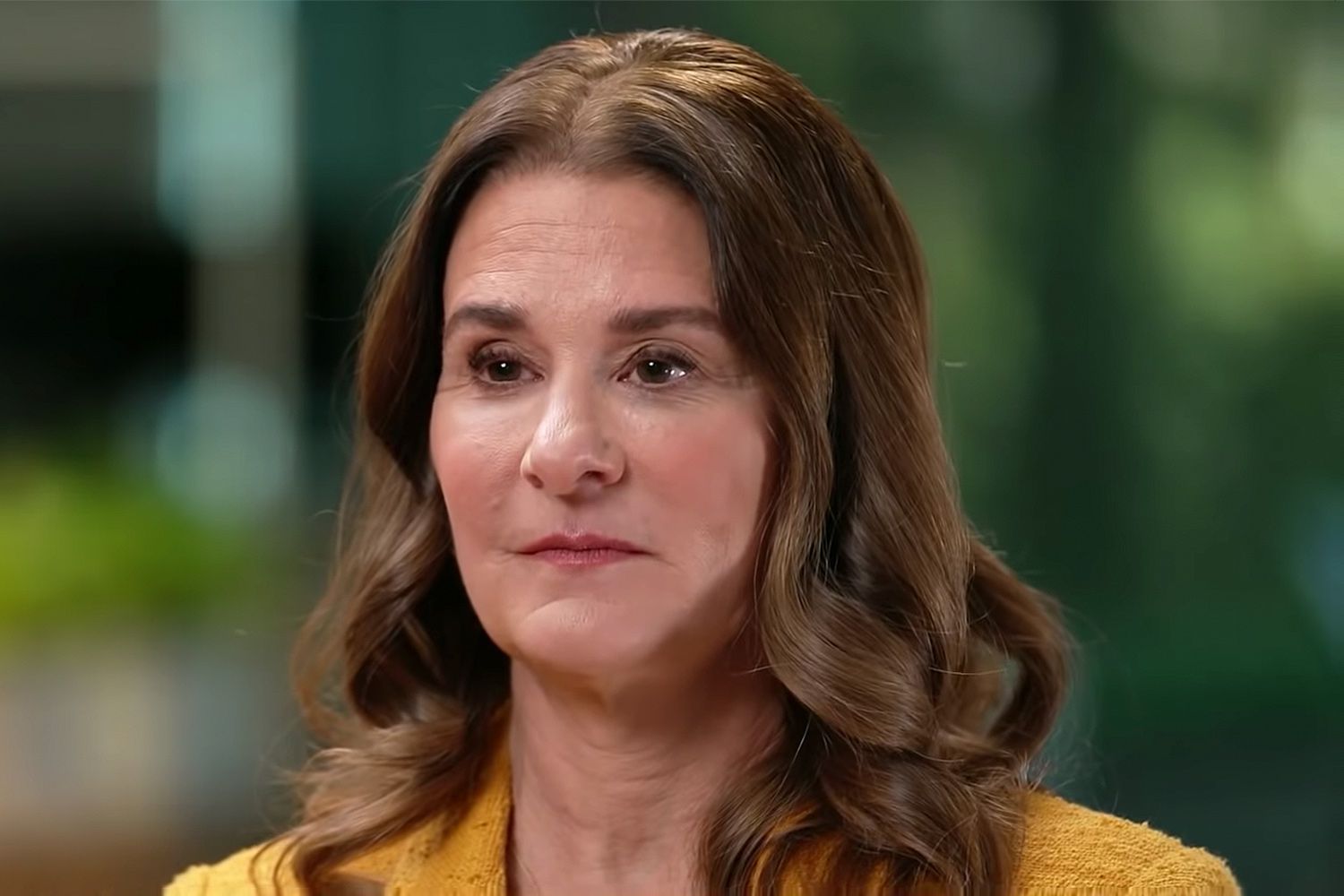
Amid this renewed attention, Melinda French Gates—who divorced Bill Gates in 2021 after 27 years of marriage—has spoken publicly about her perspective on the documents and the broader context of Epstein’s predatory activities. During an appearance on NPR’s Wild Card podcast, she described the emotional weight of revisiting these details, while emphasizing that the responsibility for these allegations lies with the parties directly involved, not herself.
“Whatever questions remain there of what I don’t — can’t even begin to know all of it — those questions are for those people and for even my ex-husband,” she said. “They need to answer to those things, not me.”
Melinda also reflected on the broader societal implications of Epstein’s crimes, noting the enduring harm inflicted on victims and the urgent need for accountability. “I think we’re having a reckoning as a society, right? No girl, no girl should ever be put in the situation that they were put in by Epstein and whatever was going on with all of the various people around him,” she said. She recalled the visceral personal impact of considering the victims’ ages, noting that it resonates with her own experiences as a parent: “It’s beyond heartbreaking, right? I remember being those ages those girls were, I remember my daughters being those ages. So for me, it’s personally hard whenever those details come up, right, because [it] brings back memories of some very, very painful times in my marriage.”
The revelations have sparked renewed media and public attention to Gates’ relationship with Epstein, highlighting the complex intersection of personal choices, professional networking, and criminal manipulation in high-profile circles. Epstein, who cultivated a web of connections among the wealthy and powerful, frequently targeted individuals by exploiting both their ambitions and vulnerabilities. Reports from as early as 2013 suggested that Epstein attempted to “blackmail” Gates over his interactions with a Russian bridge player, and these documents now bring further scrutiny to that period.
Despite the media attention, legal analysts stress that the existence of these documents does not constitute evidence of criminal wrongdoing by Gates. Rather, they reflect Epstein’s attempts at deception, coercion, and manipulation. Experts on the Epstein network note that many of his communications were drafted for self-serving purposes, creating a paper trail that could later be used for leverage against influential figures.
Bill Gates’ former interactions with Epstein occurred alongside his philanthropic endeavors. Gates, through the Bill & Melinda Gates Foundation, has spent decades focusing on global health initiatives, vaccination campaigns, and educational reform. In retrospect, Gates has described his engagement with Epstein as a misjudgment, acknowledging that the attempt to leverage Epstein’s network to advance charitable work was both naïve and ill-conceived.
Melinda Gates’ commentary on the situation underscores the enduring personal toll of these entanglements. She frames the revelations not as fodder for public judgment of herself, but as an opportunity to highlight systemic accountability, particularly in protecting vulnerable populations from abuse and exploitation. Her remarks reflect a commitment to ensuring that attention remains focused on the victims and the broader societal reckoning with Epstein’s actions.
The divorce of Bill and Melinda Gates in 2021 after nearly three decades together added another layer of complexity to their public and private narratives. While the split was largely framed in terms of personal differences, the current context has revived questions about the dynamics within their marriage during the period of Gates’ interactions with Epstein. Melinda’s statements indicate that revisiting these matters evokes painful memories, yet she remains measured in directing accountability where it belongs.
Legal experts and cultural commentators note that the ongoing release of Epstein-related files is likely to continue to surface new allegations and claim drafts involving a range of prominent figures. However, the distinction between documented evidence of criminal behavior and unfounded drafts or personal notes remains crucial. In Gates’ case, the public record, combined with official statements from his representatives, underscores that there is no verified wrongdoing directly linked to the claims in Epstein’s drafts.
This latest chapter in the Epstein saga also highlights the broader social reckoning that Melinda Gates referenced: a growing societal insistence that those who exploit vulnerable populations face consequences, while survivors receive acknowledgment and justice. Her perspective emphasizes the dual lens of personal experience and public responsibility, reflecting both the challenges of navigating a high-profile life and the ethical imperative to protect those affected by abuse.
In sum, while Bill Gates has been named in the newly released Epstein documents, there is no verified evidence of illegal behavior. The documents largely consist of drafts created by Epstein himself, whose history of manipulation and entrapment casts doubt on their credibility. Meanwhile, Melinda Gates, speaking from a place of personal insight and societal concern, has clarified her position and underscored the importance of directing scrutiny toward those directly responsible for harm. Her reflections provide a critical perspective on the intersection of personal relationships, public life, and the broader moral reckoning that Epstein’s crimes continue to provoke.
As the files continue to be examined and analyzed, the ongoing conversation around Gates, Melinda Gates, and Epstein reflects a complex interplay of accountability, reputation, and the ethical considerations inherent in interactions between influential individuals and predatory actors. For Melinda Gates, the focus remains clear: prioritize the well-being and justice for those victimized, while navigating the painful residual effects of past relationships and public scrutiny.

Emily Johnson is a critically acclaimed essayist and novelist known for her thought-provoking works centered on feminism, women’s rights, and modern relationships. Born and raised in Portland, Oregon, Emily grew up with a deep love of books, often spending her afternoons at her local library. She went on to study literature and gender studies at UCLA, where she became deeply involved in activism and began publishing essays in campus journals. Her debut essay collection, Voices Unbound, struck a chord with readers nationwide for its fearless exploration of gender dynamics, identity, and the challenges faced by women in contemporary society. Emily later transitioned into fiction, writing novels that balance compelling storytelling with social commentary. Her protagonists are often strong, multidimensional women navigating love, ambition, and the struggles of everyday life, making her a favorite among readers who crave authentic, relatable narratives. Critics praise her ability to merge personal intimacy with universal themes. Off the page, Emily is an advocate for women in publishing, leading workshops that encourage young female writers to embrace their voices. She lives in Seattle with her partner and two rescue cats, where she continues to write, teach, and inspire a new generation of storytellers.