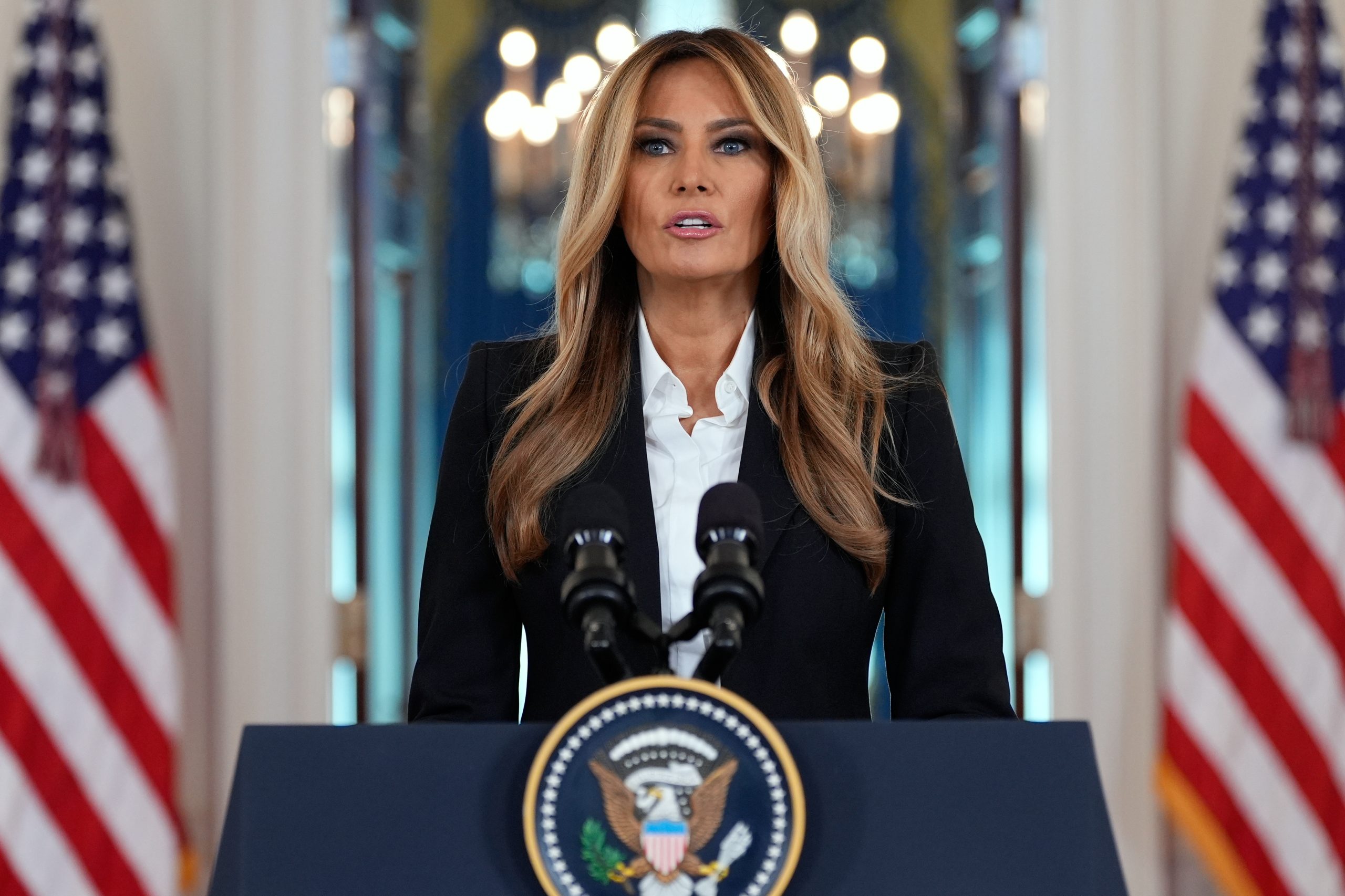
First Lady Melania Trump has broken her silence regarding the fatal shooting of ICU nurse Alex Pretti in Minneapolis, urging Americans to exercise their right to protest peacefully and calling for unity amid escalating tensions over the federal immigration crackdown in Minnesota.
Speaking Tuesday morning on Fox & Friends, the First Lady addressed the public for the first time since the incident, which involved Customs and Border Patrol (CBP) agents fatally shooting 37-year-old Pretti during ongoing protests against the Trump administration’s interior enforcement operations. Melania Trump emphasized the need for calm and civility in response to the tragic events that have left the Twin Cities in turmoil.
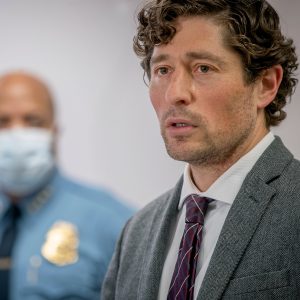
“We need to unify,” Melania Trump said. “I’m calling for unity. I know my husband, the president, had a great call yesterday with the governor and the mayor, and they’re working together to make it peaceful and without riots.” She added, “I’m against violence, so if you protest, protest in peace.”
Her remarks came after weeks of national outrage over the deployment of masked ICE and CBP officers to Minneapolis under the Trump administration’s “Operation Metro Surge.” The operation, aimed at arresting undocumented immigrants with criminal records, has faced sharp criticism for escalating confrontations with civilians and local authorities. The situation has now tragically resulted in the deaths of two U.S. citizens, raising serious questions about the federal approach to domestic immigration enforcement.
Pretti’s death on Saturday, following the earlier January 7 shooting of 37-year-old mother Renee Good, has sparked widespread protests throughout Minnesota. Tens of thousands have taken to the streets of Minneapolis to demand accountability and an end to the prolonged federal presence. Both Pretti and Good were shot in confrontations with federal agents, and video evidence from the scene has drawn national attention and scrutiny over the actions of the officers involved.
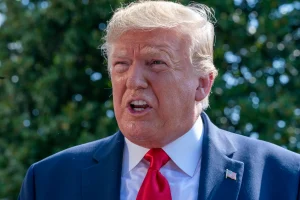
Melania Trump highlighted her husband’s engagement with Minnesota officials as a positive development, noting that President Trump had spoken directly with Governor Tim Walz and the city’s mayor in an effort to reduce tensions. The president’s intervention included recalling CBP commander Greg Bovino from the state to defuse the situation, though Bovino had initially characterized Pretti as a “domestic terrorist” who attacked officers—a description widely disputed by eyewitness accounts and video evidence.
Family Pushes Back Against DHS Claims
Pretti’s parents have spoken out forcefully to counter official narratives surrounding their son’s death. In a statement, they described Pretti as a compassionate individual whose final act was to help a fellow protester, not to endanger federal officers.
“Alex wanted to make a difference in this world,” they said. “Unfortunately, he will not be with us to see his impact. I do not throw around the hero term lightly. However, his last thought and act was to protect a woman.”
The family’s statement went on to refute claims made by DHS Secretary Kristi Noem and CBP commander Greg Bovino. “The sickening lies told about our son by the administration are reprehensible and disgusting. Alex is clearly not holding a gun when attacked by Trump’s murdering and cowardly ICE thugs. He has his phone in his right hand, and his empty left hand is raised above his head while trying to protect the woman ICE just pushed down, all while being pepper-sprayed.”
Eyewitness reports and video footage from the scene corroborate the family’s account, showing Pretti attempting to assist a fallen protester when multiple agents approached and ultimately fired on him. Federal officials have maintained that Pretti was armed with a handgun, though no evidence suggests he actively threatened the agents prior to the shooting. The incident has triggered renewed debates over federal rules of engagement, use-of-force policies, and the accountability of ICE and CBP agents operating within U.S. cities.
White House Response and Investigation
In the wake of mounting public pressure, the White House has sought to moderate its messaging. Press Secretary Karoline Leavitt clarified on Monday that the president had not personally labeled Pretti a “domestic terrorist,” as some administration officials had suggested. Leavitt emphasized that Trump intends to await the results of a formal investigation before making further statements.
“However, I have heard the president say he wants to let the facts and the investigation lead itself,” Leavitt said, underscoring the administration’s commitment, at least rhetorically, to a review of the incident.
Melania Trump’s remarks appear to echo this more measured approach, stressing unity and peaceful demonstration while avoiding direct commentary on the details of the shooting itself. Analysts suggest that the First Lady’s intervention may be an attempt to reduce tensions on the streets while mitigating political fallout for the president amid a deeply polarized environment.
Rising Political and Public Tensions
The killings of Pretti and Good have heightened national debate over the Trump administration’s interior enforcement operations. Critics argue that “Operation Metro Surge” represents an aggressive, militarized approach to immigration policy that risks civilian harm and undermines local authority. Supporters maintain that federal intervention is necessary to target criminal activity and maintain law and order, particularly in areas where local jurisdictions are perceived to be sanctuary cities.
Minnesota Governor Tim Walz publicly clashed with the administration over the operation earlier this month, expressing concern about federal overreach. The president, however, has praised Walz for a recent phone conversation, describing it as a “very good call” that brought officials onto the same page regarding the operation.
Despite these gestures, the controversy has left both local and national leaders navigating a complex and politically charged environment. Public demonstrations have continued, with protesters calling for the removal of federal agents from Minneapolis and demanding accountability for the deaths of two U.S. citizens within three weeks.
National Reaction and Media Coverage
Media coverage has amplified the story, highlighting both the human cost of the federal operation and the political ramifications for the Trump administration. Editorials, social media posts, and public statements from elected officials have criticized the use of lethal force in domestic enforcement and the messaging strategies employed by DHS and CBP.
The First Lady’s call for peaceful protest aligns with broader efforts to de-escalate tensions while respecting Americans’ constitutional right to assemble. Yet, it remains to be seen whether her message will have a measurable effect on the protests, which have already drawn tens of thousands to the streets in Minnesota and inspired solidarity demonstrations across the country.
Looking Ahead
As investigations continue into the deaths of Alex Pretti and Renee Good, the Trump administration faces the dual challenges of responding to public outrage and managing internal scrutiny over federal enforcement policies. Homeland Security Secretary Kristi Noem remains under heavy criticism, while the president has taken steps to distance key officials from the most controversial operations.
Melania Trump’s statement, emphasizing unity and the peaceful exercise of protest rights, represents a rare public intervention from the First Lady in a politically charged crisis. Her comments underscore the administration’s recognition of the situation’s sensitivity and the need to project calm in the face of mounting tensions on multiple fronts.
While the formal investigations and congressional oversight hearings are expected to continue in the coming weeks, the human impact of Pretti’s death and the broader debate over interior immigration enforcement have already left an indelible mark on Minnesota and the national conversation about federal law enforcement, civil liberties, and public safety.
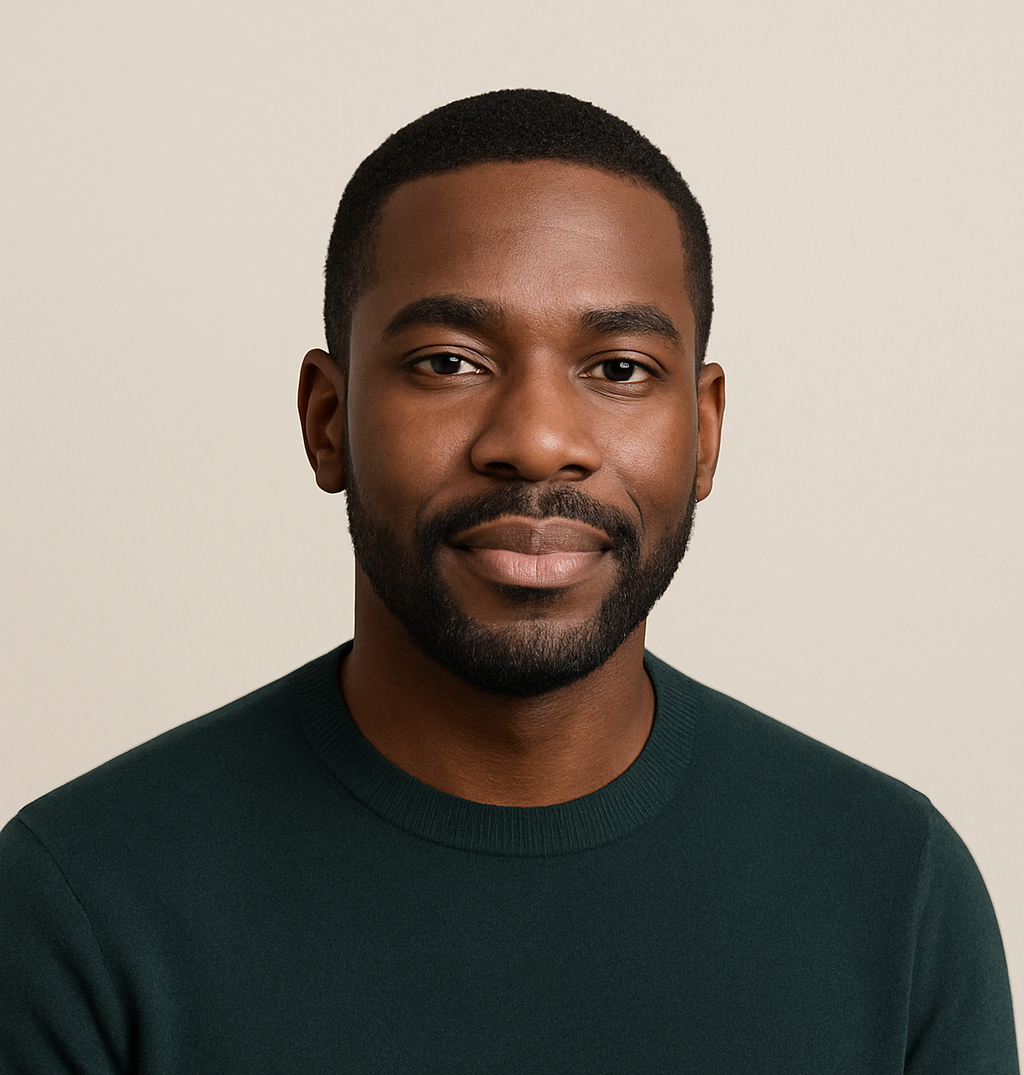
James Jenkins is a celebrated Pulitzer Prize-winning author whose work has reshaped the way readers think about social justice and human rights in America. Raised in Atlanta, Georgia, James grew up in a community that instilled in him both resilience and a strong sense of responsibility toward others. After studying political science and creative writing at Howard University, he worked as a journalist covering civil rights issues before dedicating himself fully to fiction. His novels are known for their sharp, empathetic portraits of marginalized communities and for weaving personal stories with broader political realities. Jenkins’s breakout novel, Shadows of Freedom, won national acclaim for its unflinching look at systemic inequality, while his more recent works explore themes of identity, resilience, and the fight for dignity in the face of oppression. Beyond his novels, James is an active public speaker, lecturing at universities and participating in nonprofit initiatives that support literacy and community empowerment. He believes that storytelling is a way to preserve history and inspire change. When not writing, James enjoys jazz music, mentoring young writers, and traveling with his family to explore cultures and stories around the world.