The First Lady of the United States recently found herself at the center of a fresh wave of public scrutiny after a social media post she shared for President’s Day drew widespread criticism. While holidays often inspire tributes and reflections, this particular post has sparked debate over intent, timing, and appropriateness, leading to questions about the role of personal branding in official or symbolic communications.
President’s Day, observed annually on the third Monday of February, was originally established to honor the birthday of George Washington, the first president of the United States. Created as a federal holiday in 1879, the observance has evolved over time to recognize all U.S. presidents, past and present. Across the country, the day is marked with public ceremonies, educational events, and closures of federal services such as post offices. In 2026, the holiday fell on February 16, prompting various public figures to acknowledge the occasion in different ways.
Traditionally, political leaders, particularly those in the executive branch, mark such occasions with statements that highlight the historical significance of the day, commemorate past leaders, or reflect on the principles of democracy. In this case, however, some observers were quick to note that the First Lady’s post appeared to serve multiple purposes, blending celebration of the federal holiday with content that diverged from its traditional focus.
Before sharing what many would consider a standard President’s Day greeting, the First Lady uploaded material that drew attention for reasons unrelated to the holiday itself. Among the initial posts was an image promoting a recent documentary. This post included snippets of glowing reviews and encouragement for audiences to view the film before its theatrical run ended, emphasizing the immersive visuals and production quality. While the post itself did not reference the holiday, the timing and prominence of its content inevitably drew scrutiny from social media users and news outlets.
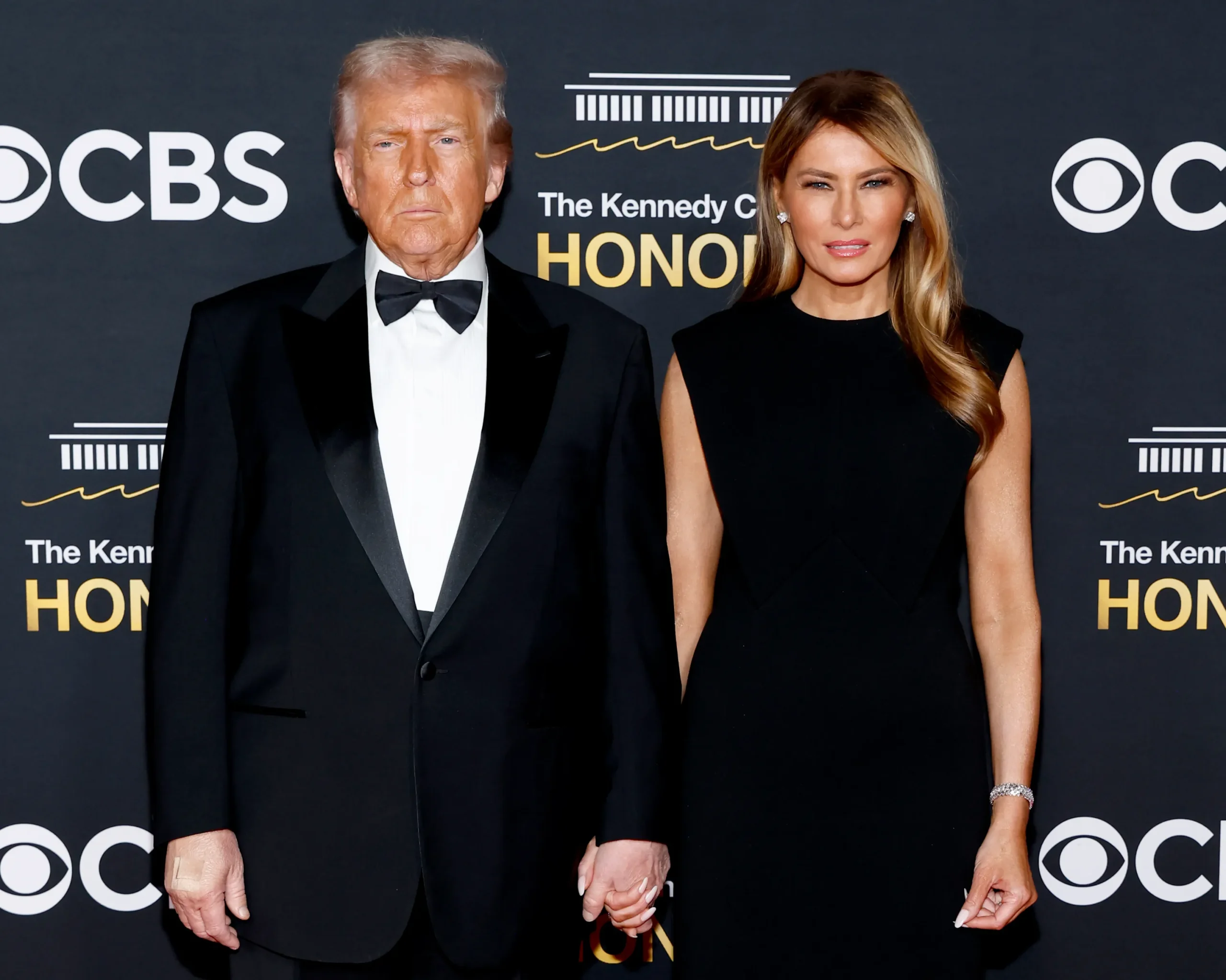
Shortly afterward, she followed with a more conventional message, wishing the public a happy President’s Day. The accompanying image, however, presented additional complications. Taken at a public screening, the photo depicted the First Lady alongside the President, but a large billboard promoting the documentary was prominently visible in the background. The combination of the celebratory holiday greeting with what appeared to be an intentional film promotion prompted debate about the line between personal branding and public observance.
The response on social media was swift and pointed. Some commenters expressed disappointment, arguing that a holiday traditionally meant to honor national leaders should not be used to draw attention to commercial projects. One Reddit user commented, questioning the appropriateness of the post, and highlighting that the day had historical significance tied to George Washington and the broader legacy of U.S. presidents. Others expressed concern that the post blurred the lines between personal promotion and public messaging, suggesting that the timing appeared calculated rather than purely commemorative.
While the criticism focused on the social media post in isolation, it reflects a broader pattern in which public figures, particularly those with media experience, navigate the intersection of public service and personal branding. The First Lady in question has previously faced scrutiny for referencing professional or media-related projects in the context of public duties. Observers note that such actions often provoke discussion about expectations for official communications and the influence of media-savvy personalities in political spaces.
Midway through the public debate, it became clear that the post was directly tied to a recently released documentary chronicling the First Lady’s experiences during the final weeks leading up to the January 2025 presidential inauguration. The film, which reportedly cost $75 million to produce and premiered on January 30, offered audiences an inside look at the preparation and planning associated with the inauguration, as well as the personal perspectives and reflections of the First Lady herself. According to reports, it earned more than $7 million in its opening weekend, marking it as one of the most successful documentary launches in recent years.
The release of the documentary has been a focal point in public discussions about the First Lady’s media presence. While supporters have praised the film for its production values and insights into the inauguration process, critics have questioned whether its promotion during moments of public or ceremonial significance is appropriate. In particular, the juxtaposition of a holiday message with a marketing push prompted renewed conversation about the responsibilities and image of public figures who occupy both political and media spaces.
The controversy surrounding this President’s Day post is not entirely isolated. Only weeks earlier, the First Lady faced scrutiny for referencing the same documentary during an official event celebrating the release of American-Israeli hostages. While acknowledging the significance of the occasion, she directed attention to an “emotional meeting” depicted in the film. This prompted reporters to question whether it was suitable to reference a commercial project in a setting tied to diplomatic or humanitarian matters. In response, she maintained that the focus of the event remained on the individuals being honored, emphasizing that the documentary reference was incidental.
Despite these concerns, supporters of the First Lady argue that the blending of public visibility with professional projects reflects the evolving nature of public life in the modern media environment. In an era dominated by social media, televised events, and instantaneous communication, prominent figures often face challenges in balancing personal endeavors with public responsibilities. Advocates suggest that transparency and openness about professional projects can enhance public understanding of political and ceremonial work, while detractors emphasize the need for careful boundaries to maintain the integrity of official messaging.
The discussions surrounding this President’s Day post also highlight the role of perception in public life. Even when intentions may be benign, images, timing, and context shape how communications are received. In this instance, the visible promotional materials in the photograph and the juxtaposition with a traditional holiday greeting created an impression of self-promotion, regardless of stated intentions. Analysts note that such moments underscore the careful scrutiny public figures endure and the difficulty in navigating dual roles as private individuals and public representatives.
Overall, the reaction reflects a broader dialogue about how leaders and their families engage with both political and cultural platforms. The balance between personal branding, media projects, and ceremonial duties remains a challenging aspect of public life, particularly for figures who occupy high-visibility roles. Observers will likely continue to examine these dynamics in the context of both current events and historical precedent.
While the criticism is notable, it also underscores the continuing prominence of the First Lady in cultural and political discourse. Her actions, whether in official messaging, media engagement, or personal branding, generate public conversation that can shape perceptions, inform debate, and influence the broader narrative surrounding her role. The intersection of politics, media, and public expectations ensures that each decision, from social media posts to public appearances, is analyzed within multiple frameworks.
As discussions unfold, the story serves as a reminder of the complex responsibilities of public figures and the multiple audiences they address. Holidays such as President’s Day are traditionally meant to unite and commemorate, yet in the modern era, they can also become stages for messaging that encompasses personal, professional, and political dimensions. The First Lady’s recent post exemplifies this intersection, illustrating both the reach and scrutiny inherent in contemporary public life.

Emily Johnson is a critically acclaimed essayist and novelist known for her thought-provoking works centered on feminism, women’s rights, and modern relationships. Born and raised in Portland, Oregon, Emily grew up with a deep love of books, often spending her afternoons at her local library. She went on to study literature and gender studies at UCLA, where she became deeply involved in activism and began publishing essays in campus journals. Her debut essay collection, Voices Unbound, struck a chord with readers nationwide for its fearless exploration of gender dynamics, identity, and the challenges faced by women in contemporary society. Emily later transitioned into fiction, writing novels that balance compelling storytelling with social commentary. Her protagonists are often strong, multidimensional women navigating love, ambition, and the struggles of everyday life, making her a favorite among readers who crave authentic, relatable narratives. Critics praise her ability to merge personal intimacy with universal themes. Off the page, Emily is an advocate for women in publishing, leading workshops that encourage young female writers to embrace their voices. She lives in Seattle with her partner and two rescue cats, where she continues to write, teach, and inspire a new generation of storytellers.