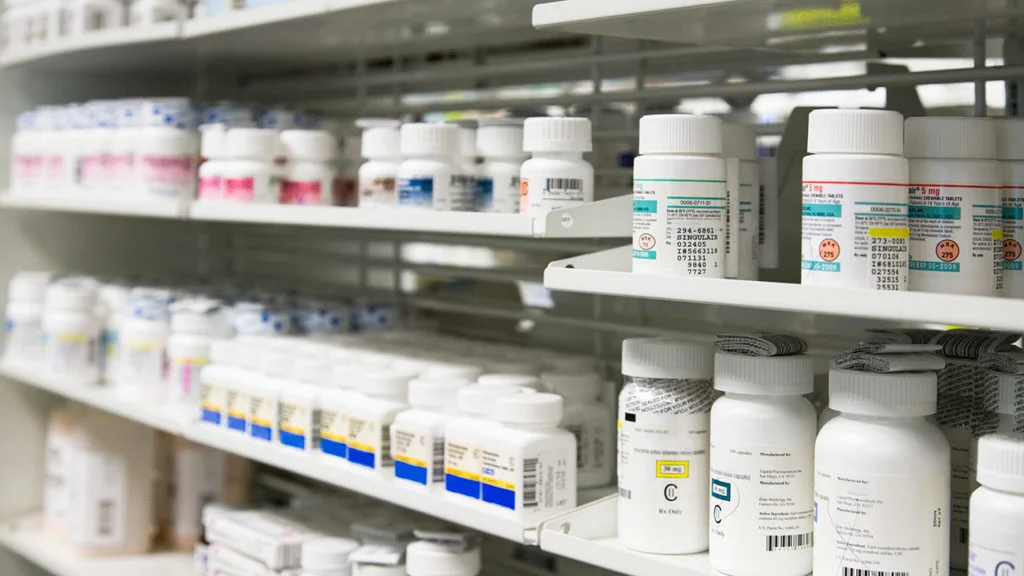
For years, rising prescription drug prices have been one of the most persistent financial pressures facing older Americans. Many retirees carefully ration medications, search for discount programs, or make difficult tradeoffs just to keep monthly costs manageable. As inflation and healthcare expenses climbed, the burden became even heavier for millions living on fixed incomes.
Now, a major shift is approaching—one that could meaningfully change how much seniors pay at the pharmacy counter. While the policy changes behind it are complex and still not widely understood, experts say the impact for Medicare beneficiaries could be substantial.
But the full picture only becomes clear when you look deeper into what’s changing—and why.
A Long-Standing Pain Point for Seniors
Prescription drug costs have consistently ranked among the top concerns for Americans over 65. Even with Medicare coverage, many beneficiaries face high out-of-pocket expenses, particularly those managing chronic conditions such as diabetes, heart disease, arthritis, or cancer.
For decades, the structure of Medicare’s prescription drug benefit left many seniors exposed to unpredictable costs. Deductibles, copayments, and coverage gaps often meant that even insured patients could face thousands of dollars in annual drug spending.
Advocacy groups have long pushed for reform, arguing that no senior should be forced to choose between medication and basic necessities.
Incremental Changes—and Growing Momentum
Over the past few years, policymakers have introduced gradual reforms aimed at easing that burden. Some changes reduced copays for certain medications. Others capped costs for specific treatments. Still, many seniors reported that relief felt limited or uneven.
Behind the scenes, however, a broader restructuring was taking shape.
Health economists and federal agencies began reexamining how prescription drugs are priced, negotiated, and paid for under Medicare. Their conclusion: meaningful cost reductions would require systemic changes, not small adjustments.
Those changes are now set to take effect.
What Will Be Different in 2026
Beginning in 2026, Medicare beneficiaries are expected to see sharply lower out-of-pocket prescription drug costs, especially those with high annual spending.
The most significant shift involves new limits on how much seniors can be required to pay each year for covered medications. Once those limits are reached, Medicare will absorb a much larger share of the cost, dramatically reducing financial exposure for patients.
For many enrollees, this could mean hundreds—or even thousands—of dollars in savings over the course of a year.
Only midway through the discussion does the reason become clear: Medicare’s prescription drug benefit is being fundamentally restructured, changing who pays and how much.
A Cap That Changes the Equation
One of the central features of the 2026 reforms is a firm cap on annual out-of-pocket drug spending for Medicare beneficiaries. Unlike previous systems, where costs could continue accumulating, the new structure creates a clear ceiling.
Once a beneficiary reaches that threshold, their responsibility drops significantly for the rest of the year.
Health policy analysts say this alone represents one of the most consequential changes to Medicare’s drug program since its creation.
Who Benefits the Most
While nearly all Medicare drug plan participants stand to gain something, the largest savings will likely go to:
-
Seniors with chronic or complex medical conditions
-
Patients taking high-cost specialty medications
-
Individuals who previously fell into coverage gaps
-
Retirees with fixed or moderate incomes
For these groups, predictable and capped costs provide not just savings, but peace of mind.
Pharmacists and doctors say the change may also improve medication adherence, as patients will be less likely to skip doses or delay refills due to cost concerns.
How the Savings Are Achieved
Lower costs for seniors do not appear out of thin air. Instead, the reforms shift more responsibility onto other parts of the system.
Medicare will take on a larger share of total drug spending, while pharmaceutical manufacturers and insurers will also shoulder more of the cost burden. In some cases, this involves direct price negotiations or required discounts.
Supporters argue that this rebalancing corrects long-standing inefficiencies and excessive pricing practices. Critics warn it could have downstream effects on innovation or drug availability.
So far, federal officials insist that safeguards are in place to prevent disruptions.
What Seniors Need to Do—And What They Don’t
Importantly, most Medicare beneficiaries will not need to take any special action to benefit from the changes.
The new cost structure will be built into Medicare prescription drug plans automatically. However, experts still recommend that seniors:
-
Review plan options during open enrollment
-
Compare formularies and cost-sharing details
-
Ask pharmacists about lower-cost alternatives
While the reforms improve the overall system, choosing the right plan will still matter.
Political Debate Continues
As with nearly every major healthcare change, the upcoming reductions have sparked debate in Washington.
Supporters frame the reforms as long-overdue relief for seniors who have paid too much for too long. They argue that lowering drug costs strengthens Medicare and improves quality of life for retirees.
Opponents raise concerns about government overreach, long-term program costs, and potential impacts on the pharmaceutical industry.
Despite those disagreements, the 2026 changes are already set in motion.
A Shift Seniors Will Feel Directly
Unlike many policy changes that feel abstract, this one shows up in a very concrete way: at the pharmacy counter.
Health economists say that by 2026, a significant number of Medicare beneficiaries will notice lower bills, fewer surprise costs, and more predictable spending throughout the year.
For seniors who have watched prescription prices climb for decades, that shift could mark a turning point.
Looking Ahead
As implementation continues, officials are expected to release clearer guidance on exact savings amounts and plan-specific details. Medicare recipients will likely hear more about the changes during upcoming enrollment periods.
For now, the takeaway is simple: relief is coming, and for many seniors, it will arrive in a meaningful way.
After years of concern over rising drug prices, 2026 may finally bring a noticeable drop in what Medicare beneficiaries pay—one that could reshape retirement budgets and healthcare decisions for millions of Americans.