



Federal health officials unveiled a sweeping set of price cuts on Tuesday that they say will dramatically reduce the cost of some of Medicare’s most expensive and widely used medications. The announcement marks one of the most consequential steps yet in the government’s ongoing effort to lower drug prices for older Americans, many of whom rely on complex, long-term treatments for chronic and life-threatening conditions.
According to the Centers for Medicare & Medicaid Services (CMS), the newly negotiated prices will apply to 15 high-cost prescription drugs that are commonly used to treat cancer, diabetes, asthma, lung disease, and a range of serious chronic illnesses. These reductions are scheduled to take effect in 2027 and are being framed by the administration as a major victory for both patients and taxpayers who have long shouldered the burden of rising drug costs.
In its formal statement, CMS projected an estimated 44 percent reduction—equivalent to about $12 billion—in last year’s Medicare spending on these medications. Those savings calculations do not include the Coverage Gap Discount Program (CGDP). If CGDP spending were factored in, the estimated total savings would shift to about $8.5 billion, or a 36 percent reduction in net aggregate spending. Officials say these numbers reflect only the first wave of anticipated financial relief and consider them early evidence that the negotiation program is working as intended.
One of the most closely watched changes centers on semaglutide, the GLP-1 drug developed by Novo Nordisk, prescribed extensively under the brand name Ozempic for diabetes and Wegovy for weight loss. In recent years, semaglutide has become one of the most in-demand—and expensive—medications in the entire U.S. health system. Under Medicare’s newly negotiated structure, the monthly price for the drug will drop to $274 beginning in 2027. This is a substantial reduction compared to Medicare’s recent net price of $428 per month for Ozempic. Even more striking is the contrast with the list price before rebates or discounts, which previously stood at $959 per month.
Semaglutide is far from the only treatment that will see a steep reduction. Across all 15 targeted drugs, the savings range from 38 percent to as high as 85 percent based on list prices. Some of the biggest cuts include AstraZeneca’s leukemia drug Calquence, Boehringer Ingelheim’s lung-disease drug Ofev, and Pfizer’s breast cancer medication Ibrance, each of which will see their estimated net prices drop by over $4,000. For patients facing staggering monthly costs for cancer treatment and advanced respiratory therapies, these reductions could represent life-changing financial relief.
CMS said the newly calculated “Maximum Fair Prices” for the group of 15 medicines will officially begin on January 1, 2027. These drugs will join the 10 medications that were part of last year’s initial negotiation round, creating a total of 25 drugs with government-negotiated prices by 2027. The agency announced that the expanded list represents significant progress in the multiyear drug negotiation process laid out in federal law.
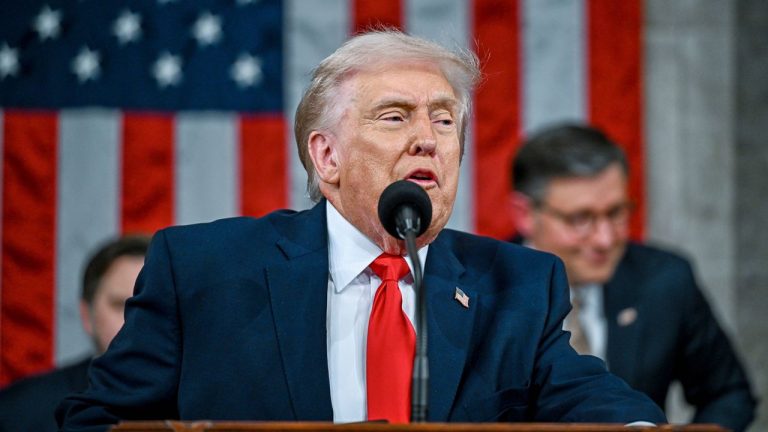
The administration was quick to emphasize the political leadership behind the program. “President Trump directed us to stop at nothing to lower health care costs for the American people,” said Health and Human Services Secretary Robert F. Kennedy Jr. in the announcement. He added that the administration’s broader goal is to “Make America Healthy Again” by ensuring older Americans have continued access to affordable and essential medications.
CMS Administrator Mehmet Oz echoed that message, telling reporters that this year’s negotiated results show notable improvement over last year’s initial rollout. “Using the same process with a bolder direction, we have achieved substantially better outcomes for taxpayers and seniors,” he said. According to CMS, improvements in data evaluation, negotiation strategy, and more aggressive pricing targets all contributed to the stronger results.
The impact of these changes is expected to be widespread. Between January 1 and December 31 of 2024, around 5.3 million Medicare Part D beneficiaries used at least one of the 15 drugs selected for reductions. Combined, these medications accounted for about $42.5 billion in gross prescription drug costs—roughly 15 percent of all Part D spending during that year. Officials say the concentration of spending among such a relatively small group of medications highlights why negotiated reductions can have such a powerful effect on the overall program.
This second wave of price negotiations appears to have delivered deeper cuts than last year’s inaugural round. Several additional drugs included in this year’s list demonstrate the breadth of the program’s reach. For example, GSK’s inhaler Trelegy Ellipta, used for asthma and chronic obstructive pulmonary disease (COPD), will be priced at $175, a significant drop from its list price of $654. AbbVie’s drug Linzess, used for irritable bowel syndrome and chronic constipation, will fall to $136, compared to a list price of $539.
Despite the administration’s celebratory tone, health economists say the next test will be how these new prices compare to those in other wealthy nations. Historically, Americans have paid far more for prescription drugs than patients in comparable countries, many of which have nationalized or universal drug coverage systems that allow them to negotiate prices across the entire market. Analysts expect to conduct detailed cross-national comparisons once the new U.S. figures settle, potentially adding more pressure to continue or expand federal negotiation programs.
Not everyone is welcoming the changes. The pharmaceutical industry has long opposed government involvement in drug pricing and has fought vigorously against the policies that introduced Medicare’s negotiation authority. A spokesperson for the major industry lobbying group, PhRMA, repeated the industry’s objections. “Whether it is the IRA or MFN, government price setting for medicines is the wrong policy for America,” said Alex Schriver. Companies argue that reduced revenues threaten research and development investments, particularly in high-risk therapeutic areas such as oncology and rare diseases.
Still, policy analysts predict that Medicare’s newly negotiated prices will influence the broader insurance market. Because Medicare is the nation’s largest purchaser of prescription drugs, its prices often serve as benchmarks for private insurers. Sean Sullivan, a professor of pharmacy at the University of Washington, suggested that private payers will likely seek similar discounts once the new Medicare rates are public. “These prices are going to come down below the existing net prices. There will be some real savings,” he said. “All of the other payers can see them. What is going to stop them from asking manufacturers for that same price?”
The ripple effects could be significant. If private insurers, employer-sponsored plans, and Medicaid programs begin demanding similar concessions, manufacturers could face broad and sustained pressure to lower costs across the board. That would represent a major shift in the U.S. pharmaceutical market, which has historically allowed companies wide latitude to set prices far above international norms.
Looking ahead, CMS officials say Medicare’s next cycle of drug price negotiations will begin in February, and will include another group of 15 prescription drugs, along with several hospital-administered treatments. Each negotiation cycle builds on earlier rounds, gradually expanding the list of drugs subject to federal bargaining and potentially increasing the amount of savings returned to patients.
For seniors facing daily struggles with high medication costs, the announcement offers a glimpse of relief. Many live on fixed incomes and face multiple chronic conditions requiring complex drug regimens. Advocates for older Americans argue that these newly established reductions could help millions avoid the impossible choice between paying for medication or covering other basic expenses.
With the implementation still two years away, the impact of these cuts will continue to be debated. Supporters say the administration’s approach proves that meaningful price reductions are achievable with strong federal action. Critics argue that the policy risks stifling innovation and warn that long-term consequences remain unknown.
For now, however, the federal government is positioning the 2027 drug price reductions as a major win for patients, a milestone in controlling health care costs, and a step toward a more sustainable and equitable system for the millions of seniors who rely on Medicare every day.

Emily Johnson is a critically acclaimed essayist and novelist known for her thought-provoking works centered on feminism, women’s rights, and modern relationships. Born and raised in Portland, Oregon, Emily grew up with a deep love of books, often spending her afternoons at her local library. She went on to study literature and gender studies at UCLA, where she became deeply involved in activism and began publishing essays in campus journals. Her debut essay collection, Voices Unbound, struck a chord with readers nationwide for its fearless exploration of gender dynamics, identity, and the challenges faced by women in contemporary society. Emily later transitioned into fiction, writing novels that balance compelling storytelling with social commentary. Her protagonists are often strong, multidimensional women navigating love, ambition, and the struggles of everyday life, making her a favorite among readers who crave authentic, relatable narratives. Critics praise her ability to merge personal intimacy with universal themes. Off the page, Emily is an advocate for women in publishing, leading workshops that encourage young female writers to embrace their voices. She lives in Seattle with her partner and two rescue cats, where she continues to write, teach, and inspire a new generation of storytellers.