
In a development that has drawn global attention, Erfan Soltani, a 26-year-old man from Karaj, Iran, has reportedly been spared from imminent execution after facing the death penalty for alleged involvement in nationwide protests. Soltani’s case had sparked international concern, prompting statements from human rights organizations and former U.S. officials warning of consequences should the execution proceed.
According to Iranian authorities and family sources, Soltani was arrested earlier this month amid demonstrations across several cities in Iran. Initial reports suggested that he faced the death penalty for his participation in anti-government protests, raising alarm among advocacy groups and international observers. The young man’s family confirmed that he had been detained and at risk of capital punishment, prompting widespread calls for his release or at least a review of his charges.
Recent statements from Iranian state media indicate that the charges against Soltani have been revised. Officials clarified that if the updated accusations are confirmed by a court, the death penalty would not apply. Instead, Soltani is now reportedly accused of offenses including collaboration against national security and spreading anti-government messaging. These revised charges carry prison sentences rather than capital punishment, offering a temporary reprieve for Soltani and his family.
Despite this update, the family continues to express concern over his well-being. They report having limited contact with Soltani since his arrest and little information regarding his current condition. This uncertainty has kept the situation tense, highlighting broader concerns about transparency in the Iranian judicial process and the treatment of detained protesters.
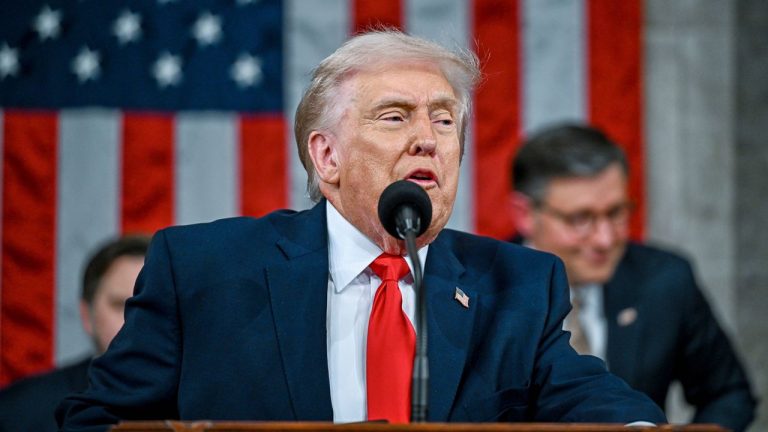
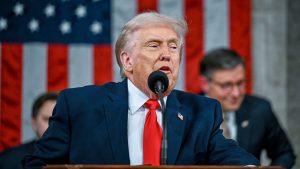
The shift in Soltani’s sentencing reportedly followed intense international scrutiny. Former U.S. President Donald Trump publicly addressed the matter, warning of strong consequences if Iranian authorities proceeded with executions of protest participants. Trump stated that his sources suggested planned executions had been halted, and he emphasized that the United States would continue monitoring developments closely. His remarks underscored the heightened attention of foreign governments and advocacy organizations on Iran’s handling of civil unrest.
The protests in Iran have been ongoing since late December, driven largely by economic instability and widespread calls for political reform. The collapse of Iran’s national currency has intensified public discontent, fueling demonstrations in multiple cities and increasing pressure on security forces. Reports indicate that thousands of protesters have been detained, with some clashes resulting in injuries and casualties. Human rights organizations have raised concerns over the treatment of detainees, emphasizing the need for due process and the protection of fundamental rights.
Iranian judicial authorities have indicated that legal proceedings for detained protesters will be expedited, describing the situation as a priority for the courts. Some officials have used strongly worded statements to characterize the demonstrators, labeling them as threats to national stability, which has drawn criticism from international human rights advocates. Observers note that the case of Erfan Soltani has become emblematic of the broader unrest in Iran, reflecting both the internal pressures on the government and the intense scrutiny from the international community.
The political and security context in Iran has added further complexity to the situation. In recent weeks, tensions between Iran and the United States have escalated following missile strikes by Iran targeting U.S. military bases in the region. These strikes were reportedly in response to American attacks on Iranian nuclear facilities. U.S. officials confirmed that the missile launches caused no casualties and resulted in minimal damage. Amid these developments, Trump and other U.S. leaders have called for de-escalation and diplomatic engagement, highlighting the delicate balance between regional security concerns and human rights advocacy.
Observers note that Soltani’s case illustrates the intersection of domestic unrest and international diplomacy. His initial death sentence became a focal point for human rights groups and foreign governments alike, emphasizing the global implications of local judicial decisions. The intervention and attention from international figures, including Trump, are credited with contributing to the revision of the charges, although critics argue that such pressure should be consistent and systemic rather than reactive.
The revised charges against Soltani—allegations of collaboration against national security and spreading anti-government messaging—remain serious in the eyes of Iranian authorities, yet they do not carry the threat of execution. Legal experts note that even these non-capital charges can result in significant prison time, particularly in cases involving political dissent. The family and advocates for Soltani are reportedly urging that his trial be conducted fairly, with full adherence to procedural standards and international norms.
Meanwhile, the protests that initially led to Soltani’s arrest continue to unfold. Citizens have been demanding reforms ranging from economic relief to greater political freedoms, while the Iranian government has employed a combination of policing measures and public statements to manage the unrest. International organizations continue to monitor the situation, calling for restraint and urging authorities to respect the rights of peaceful demonstrators.
For the Soltani family, the reprieve has brought temporary relief, yet concerns persist over what the final judicial decision will be. Human rights advocates have emphasized that the case serves as a reminder of the ongoing risks faced by protesters in Iran and the need for sustained international attention to prevent potential human rights violations.
Analysts suggest that the Soltani case may influence both domestic and international policy discussions. Domestically, it highlights the need for judicial transparency and the fair treatment of detainees, particularly those accused of political crimes. Internationally, it demonstrates the potential impact of external pressure on the Iranian government, signaling that global scrutiny can affect the outcomes of high-profile cases.
The case has also shed light on the broader pattern of unrest in Iran, which is fueled by economic hardship, political grievances, and a younger generation seeking reform. Observers note that while Soltani’s life may have been spared from execution, thousands of other detainees remain in a precarious position, underscoring the importance of continued attention from human rights organizations and foreign governments.
In addition to raising questions about judicial process and human rights, the case underscores the challenges facing the Iranian government as it navigates both domestic dissent and international relations. The balance between enforcing national security and respecting fundamental freedoms remains a contentious issue, and Soltani’s case has become emblematic of this ongoing struggle.
As legal proceedings move forward, the international community is expected to continue observing developments closely. The reprieve granted to Soltani is being viewed as a temporary success for advocacy efforts, but the overall situation in Iran remains volatile. Human rights organizations have urged the Iranian judiciary to ensure that trials are conducted fairly and without political influence, and that all detainees receive adequate legal representation.
The Soltani case has resonated beyond Iran’s borders, highlighting the global implications of domestic protests in the country. It demonstrates how individual cases can become focal points for international scrutiny, prompting dialogue on issues of human rights, judicial fairness, and the use of capital punishment.
Ultimately, Erfan Soltani’s temporary reprieve from execution represents both a personal relief for his family and a broader signal of the potential impact of international pressure on domestic legal decisions. While the charges against him still carry significant consequences, the halting of the death penalty underscores the influence of global attention and advocacy in shaping outcomes in high-profile cases.
As Iran continues to confront widespread protests and calls for reform, cases like Soltani’s are likely to remain emblematic of the tension between state authority, civil liberties, and international oversight. The situation remains fluid, and human rights organizations and foreign governments alike are calling for continued monitoring to ensure justice is fairly administered, and that political detainees are not subject to arbitrary or disproportionate punishment.

Emily Johnson is a critically acclaimed essayist and novelist known for her thought-provoking works centered on feminism, women’s rights, and modern relationships. Born and raised in Portland, Oregon, Emily grew up with a deep love of books, often spending her afternoons at her local library. She went on to study literature and gender studies at UCLA, where she became deeply involved in activism and began publishing essays in campus journals. Her debut essay collection, Voices Unbound, struck a chord with readers nationwide for its fearless exploration of gender dynamics, identity, and the challenges faced by women in contemporary society. Emily later transitioned into fiction, writing novels that balance compelling storytelling with social commentary. Her protagonists are often strong, multidimensional women navigating love, ambition, and the struggles of everyday life, making her a favorite among readers who crave authentic, relatable narratives. Critics praise her ability to merge personal intimacy with universal themes. Off the page, Emily is an advocate for women in publishing, leading workshops that encourage young female writers to embrace their voices. She lives in Seattle with her partner and two rescue cats, where she continues to write, teach, and inspire a new generation of storytellers.