


A familiar fast-food brand that has been part of the American roadside landscape for generations is quietly shrinking, closing dozens of restaurants as mounting financial pressures force difficult decisions. What began as a warning to investors earlier this year has now materialized into a steady wave of shutdowns, with more locations expected to follow before the year ends.
The closures are not isolated incidents or routine portfolio adjustments. They reflect deeper structural challenges facing a company caught between rising food costs, frustrated customers, and a balance sheet weighed down by years of aggressive expansion. Executives have acknowledged that the business is under strain, even as they attempt to reassure investors that a turnaround remains possible.
For customers in several states, the changes are already visible. Darkened storefronts, “permanently closed” notices on delivery apps, and reduced operating hours have become increasingly common. Behind those closures lies a story that mirrors broader pressures across the fast-food industry—but with a few factors that make this case especially acute.
A Closure Plan Moves Faster Than Expected
Earlier this year, the company informed shareholders that it planned to shutter between 80 and 120 underperforming restaurants by the end of 2025. That announcement alone raised eyebrows. But recent disclosures suggest the pace of closures has been quicker than many anticipated.
As of the most recent earnings update, 72 locations have already been closed. With just days remaining in the year, the company is still short of its lowest stated target—suggesting that additional closures may be imminent. Executives have not ruled out further shutdowns, noting that ongoing evaluations of store-level performance are still underway.
These closures are part of a broader restructuring effort designed to stop financial losses and stabilize the business. Management has framed the strategy as a necessary step to protect the long-term health of the brand, even if it means painful short-term cuts.
Declining Sales and Shrinking Foot Traffic
The urgency behind the closures becomes clearer when looking at recent sales trends. Same-store sales have declined sharply, falling more than seven percent compared with the same period last year. This marks the second consecutive quarter of steep declines, a troubling signal in an industry that relies heavily on consistent foot traffic.
Executives have admitted that fewer customers are walking through the doors. Some diners are cutting back on fast food altogether as inflation squeezes household budgets. Others are trading down to cheaper competitors or cooking more meals at home.
But company leaders have also acknowledged a more uncomfortable reality: many customers no longer believe the brand offers good value for the price.
The Price Problem
Over the past several years, menu prices have climbed steadily. While those increases helped offset higher costs during the pandemic, they may have gone too far. Customer feedback—particularly online—has grown increasingly negative, with many complaining that portions feel smaller and prices feel higher than comparable chains.
That frustration intensified after changes to the company’s loyalty program. Under the revised system, customers now earn points at a much slower rate than before, a move that many longtime patrons viewed as a downgrade rather than an improvement.
Executives have conceded that the brand’s “value equation” was no longer resonating. In response, the company has leaned heavily into discounted meals and limited-time value promotions. Yet even as it pushes low-priced combos, it has also admitted that some price increases remain unavoidable.
Beef Costs Hit Hard
One reason prices have been difficult to contain lies in the supply chain. Beef prices—central to the chain’s core menu—have risen sharply. Company disclosures show beef costs increasing by nearly seven percent year over year, adding significant pressure to margins.
Unlike some competitors that have diversified toward chicken, breakfast items, or plant-based options, this chain remains heavily dependent on beef. That dependence has left it especially vulnerable to fluctuations in cattle prices, feed costs, and transportation expenses.
Passing those costs on to consumers risks further damaging demand. Absorbing them internally, however, deepens financial losses. Executives have described this as a “narrow path” with few easy options.
Losses and a Heavy Debt Load
The financial strain extends beyond food costs. In the most recent quarter, the company reported a net loss exceeding $80 million. Analysts point out that it is now carrying nearly six times as much debt as it generates in annual earnings—a ratio that severely limits flexibility.
High interest rates have only worsened the situation, increasing the cost of servicing that debt. Each quarter of weak performance makes it harder to invest in renovations, marketing, or menu innovation.
Several analysts have described the company as operating in “survival mode,” focused primarily on conserving cash and avoiding further deterioration.
A Deal That Didn’t Deliver
Compounding the problem is the fallout from a major acquisition that failed to meet expectations. A few years ago, the company purchased a large Mexican-inspired fast-food chain in a bid to diversify its portfolio and unlock new growth.
Instead, the acquisition became a financial burden. Earlier this year, the company sold the brand at a steep loss, recouping only a fraction of the original purchase price. While the sale reduced operational complexity, it left behind a sizable hole in the balance sheet.
Today, the company carries roughly $1.7 billion in debt—a figure that looms over every strategic decision.
Advertising Push and Celebrity Tie-Ins
In an effort to stem the bleeding, management has ramped up marketing. Advertising spending has increased, with campaigns emphasizing affordability and late-night convenience. The chain has also partnered with high-profile entertainers to promote value meals aimed at younger and price-sensitive customers.
Whether those efforts can meaningfully reverse declining traffic remains an open question. Analysts caution that advertising alone cannot fix structural issues like debt and eroded brand perception.
The Company at the Center of It All
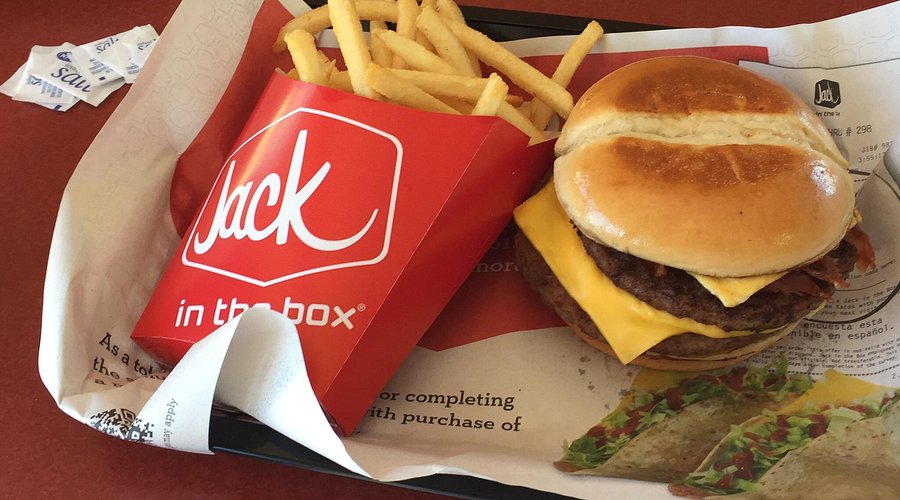
Only after months of closures, losses, and restructuring efforts does the full picture come into focus. The chain navigating these challenges is Jack in the Box, one of America’s most recognizable burger brands and the sixth-largest burger chain in the country.
Founded more than seven decades ago, Jack in the Box built its reputation on quirky marketing, all-day breakfast, and menu experimentation. Its footprint spans more than 2,100 restaurants, with a heavy concentration in the western and southwestern United States.
That scale once provided stability. Today, it magnifies the impact of every misstep.
Analysts Warn of a Long Road Ahead
Market analysts say the closures are likely just the beginning of a longer restructuring process. While shutting underperforming stores can improve near-term cash flow, it does not address deeper challenges like consumer trust and debt reduction.
Some believe the brand raised prices too aggressively during the pandemic, assuming that demand would remain strong indefinitely. When stimulus spending faded and inflation set in, that strategy quickly unraveled.
Rebuilding value perception, analysts argue, may require sustained price discipline, menu simplification, and a clearer identity—none of which can be achieved overnight.
What Customers Can Expect
For customers, the immediate impact will vary by region. Some markets may see multiple closures, while others remain largely unaffected. The company has said it intends to focus on locations with stronger performance and franchise partners who can weather the downturn.
Still, the loss of dozens—and potentially hundreds—of restaurants will inevitably reduce convenience and choice for some diners.
An Uncertain Future
As the year draws to a close, Jack in the Box faces a pivotal moment. Management insists that the restructuring plan is necessary and that difficult decisions today will create a stronger company tomorrow.
Whether that optimism proves justified remains to be seen. With inflation still elevated, consumer confidence fragile, and competition fierce, the iconic burger chain is entering a period that may define its future for years to come.
For now, the closures serve as a stark reminder that even long-established brands are not immune to economic pressure—and that survival in today’s fast-food landscape demands constant adaptation.

Emily Johnson is a critically acclaimed essayist and novelist known for her thought-provoking works centered on feminism, women’s rights, and modern relationships. Born and raised in Portland, Oregon, Emily grew up with a deep love of books, often spending her afternoons at her local library. She went on to study literature and gender studies at UCLA, where she became deeply involved in activism and began publishing essays in campus journals. Her debut essay collection, Voices Unbound, struck a chord with readers nationwide for its fearless exploration of gender dynamics, identity, and the challenges faced by women in contemporary society. Emily later transitioned into fiction, writing novels that balance compelling storytelling with social commentary. Her protagonists are often strong, multidimensional women navigating love, ambition, and the struggles of everyday life, making her a favorite among readers who crave authentic, relatable narratives. Critics praise her ability to merge personal intimacy with universal themes. Off the page, Emily is an advocate for women in publishing, leading workshops that encourage young female writers to embrace their voices. She lives in Seattle with her partner and two rescue cats, where she continues to write, teach, and inspire a new generation of storytellers.