A new profile examining the inner workings of the White House has sparked discussion about the future of the Republican Party and the early dynamics surrounding the 2028 presidential election. The piece, published December 16, 2025, in Vanity Fair, focused on the role of White House Chief of Staff Susie Wiles, providing insight into the administration’s decision-making, staff relationships, and the shaping of political narratives.
Wiles, a longtime ally of President Donald Trump and an influential strategist in the current administration, responded sharply to the profile. She labeled the coverage as a “disingenuously framed hit piece” and criticized the omission of key context regarding both her commentary and the broader work of the president’s team. In a statement on X, she emphasized the misrepresentation of her statements, defending the administration’s record and stressing her commitment to its ongoing agenda.
“Significant context was disregarded and much of what I, and others, said about the team and the President was left out of the story,” Wiles wrote. “I assume, after reading it, that this was done to paint an overwhelmingly chaotic and negative narrative about the President and our team.”
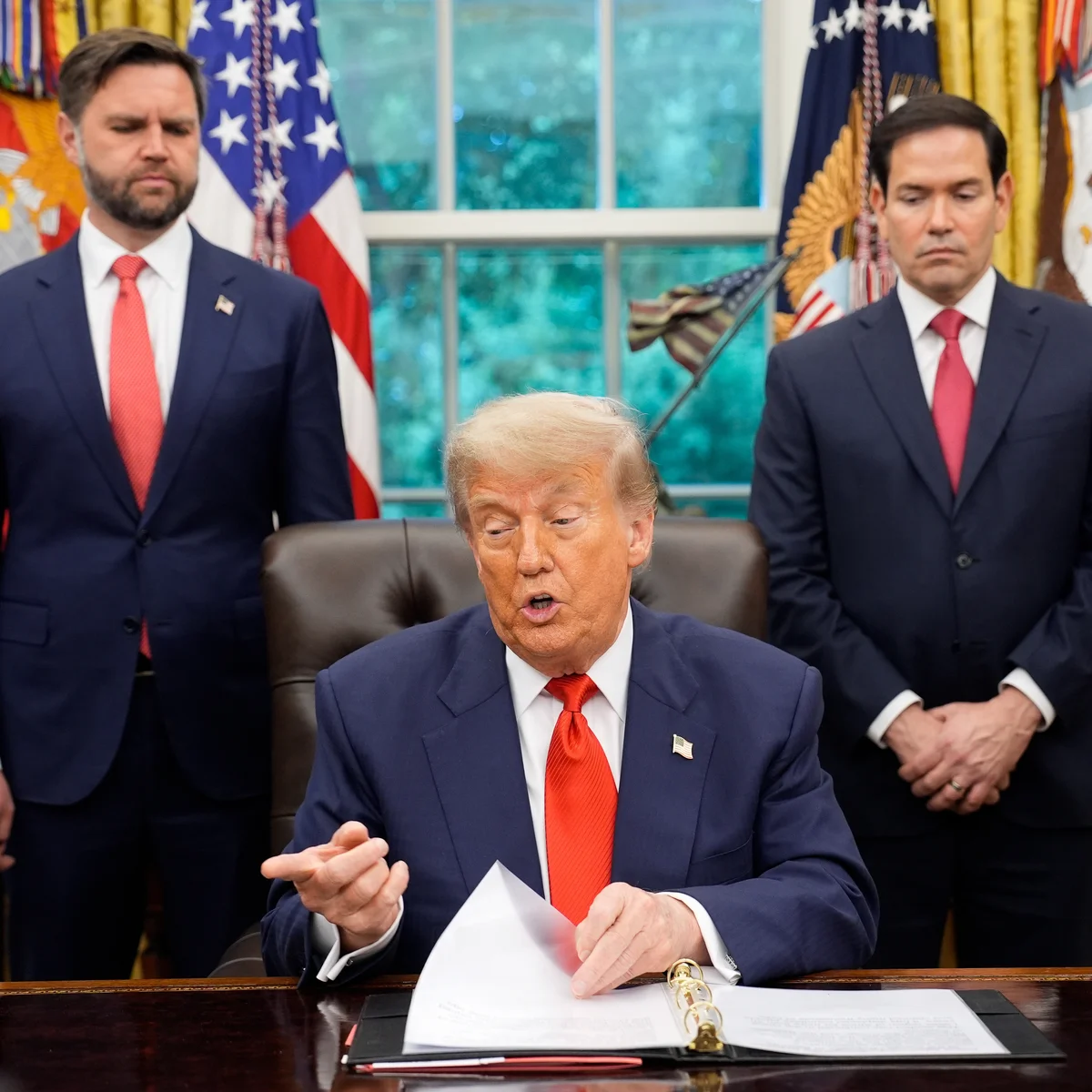
The Vanity Fair profile also touched upon the evolving landscape of potential Republican candidates for the 2028 election. Among those highlighted was Secretary of State Marco Rubio, who indicated that he would defer to Vice President JD Vance if Vance chooses to enter the GOP primary. Speaking to author Chris Whipple, Rubio emphasized party unity and the importance of supporting strong candidates, stating that should Vance run, he would be one of the first to endorse him.
Rubio, 54, framed his comments in the context of ensuring cohesion within the party as it transitions into the post-Trump era. “If J.D. Vance runs for president, he’s going to be our nominee, and I’ll be one of the first people to support him,” Rubio said. Political analysts note that this early signaling is indicative of strategic positioning and an effort to preempt divisive primaries, which can weaken party prospects in general elections.
Vance, 41, has become one of the leading figures in Republican circles, with many viewing him as a natural successor in the wake of Trump’s second term. The vice president’s evolution from an initial critic of Trump to a staunch ally has been described as “political pragmatism” by Wiles in the profile, reflecting broader patterns of realignment within the party’s leadership.
The article contextualized these potential candidacies against a backdrop of Trump’s continued influence. The president has publicly praised both Vance and Rubio, even suggesting in October during an overseas trip that a joint ticket featuring the two could be “unstoppable.” While Trump has occasionally joked about circumventing constitutional term limits, senior aides, including Wiles, have consistently downplayed such speculation. “He sure is having fun with it,” Wiles told Whipple, reiterating that Trump respects the 22nd Amendment.
The profile also highlighted the role of media framing in shaping public perception of senior officials. Wiles’s commentary on Vance, as well as on other figures within the administration, was extracted in ways that critics argue oversimplified nuanced political analysis. The tension between media scrutiny and internal messaging reflects the broader challenges of modern governance, where rapid news cycles amplify select statements and may misrepresent the intent behind them.
The interplay between leadership personalities and media narratives emerged as a key theme in the coverage. Rubio’s deference to Vance is not merely personal; it signals an effort to align factions and present a unified front, mitigating potential conflict that could arise from early primary jockeying. Political strategists suggest that such declarations can have ripple effects, shaping donor behavior, volunteer engagement, and the public’s perception of party cohesion.
Observers also note that Wiles’s staunch defense of her commentary underscores her pivotal role in messaging strategy. By actively addressing perceived misrepresentations and emphasizing the administration’s achievements, she reinforces both her influence within the White House and the broader narrative of party unity. Her remarks, combined with Trump’s public acknowledgment of Rubio and Vance, illustrate the coordination among senior staff and the president in managing both media perception and political alliances.
While Rubio’s statements highlight early alignment among potential Republican candidates, the profile also points to the inherent unpredictability of political dynamics. Vance’s decision to enter the race—or to defer—will likely influence other emerging contenders, shaping the contours of the 2028 primary. Analysts observe that early endorsements can set the tone for campaign strategy, signal intra-party alliances, and affect voter enthusiasm.
The profile situates these developments within a larger pattern of political narrative management, emphasizing the careful calibration of messaging in high-stakes environments. Wiles’s commentary, Rubio’s statements, and Trump’s responses all exemplify how senior officials navigate the intersection of public scrutiny, media framing, and internal party dynamics. In this environment, even offhand remarks can quickly become focal points for national debate.
Trump’s ongoing engagement with both Vance and Rubio reinforces his enduring influence over party succession. By publicly praising both figures, he shapes expectations for Republican voters and underscores his continued relevance in political decision-making. Simultaneously, his interactions highlight the balancing act faced by senior staff in communicating strategy while protecting the president’s image from misinterpretation.
In response to the Vanity Fair coverage, Wiles reiterated her commitment to the administration’s priorities and accomplishments. “None of this will stop our relentless pursuit of Making America Great Again!” she wrote on X, signaling that despite media scrutiny, the team remains focused on policy goals and strategic initiatives.
Political commentators emphasize that this episode illustrates the broader challenges of leadership visibility. Senior officials must provide candid assessments to guide decision-making, yet public exposure of these analyses can distort intent and fuel controversy. The careful management of language, context, and timing is crucial, as evidenced by Wiles’s handling of both the profile and its fallout.
Rubio’s deference to Vance also underscores the interplay between personal loyalty and political strategy. By signaling early support for a potential candidate, he contributes to shaping the primary landscape and influencing perceptions of party unity. Observers note that such positioning is a common feature of modern campaigns, where early signaling can preempt divisive contests and foster broader cohesion.
In addition, the profile highlights how media narratives can affect internal party dynamics. The selective framing of Wiles’s remarks, combined with attention to potential 2028 candidates, demonstrates the power of journalism to shape political discourse. Analysts argue that while scrutiny is essential for democratic transparency, the amplification of isolated comments can sometimes obscure broader strategic intentions.
The situation also illuminates the delicate balance between private counsel and public messaging. Wiles’s role requires providing honest evaluations of personnel, strategy, and policy implications, while also ensuring that the administration’s public image remains intact. The coverage in Vanity Fair, coupled with her response, illustrates the tension between these responsibilities, particularly in an era of heightened media attention and rapid information dissemination.
As the Republican Party looks ahead to 2028, early indicators of alignment—such as Rubio’s pledge to support Vance—offer insight into the potential structure of the primary race. Party leaders and strategists closely monitor such statements, recognizing their significance for donor confidence, voter engagement, and candidate positioning. The interactions among Trump, Wiles, Rubio, and Vance reflect a calculated approach to managing succession and maintaining influence over the party’s direction.
Furthermore, the episode highlights the evolving expectations placed on political staff. Senior advisors like Wiles must navigate media scrutiny, internal politics, and the demands of public communication simultaneously. Her defense of the profile’s omissions, alongside her reinforcement of policy achievements, demonstrates a proactive approach to reputation management and strategic alignment.
Observers note that the narrative surrounding Wiles, Rubio, and Vance is emblematic of broader trends in political communication. The speed of information dissemination, the amplification of selective quotes, and the intersection of media and politics require officials to be both deliberate and agile in their messaging. Misinterpretation or framing errors can have immediate and wide-reaching consequences, as seen in the public response to the Vanity Fair article.
In conclusion, the profile has catalyzed a multifaceted discussion about political succession, media framing, and party strategy. Wiles’s statements and Rubio’s early commitment to support Vance highlight the complex interplay between personal relationships, strategic positioning, and the shaping of public narratives. While media coverage has focused on controversy and soundbites, the underlying themes emphasize the ongoing negotiation of party unity, leadership succession, and communication strategy in the lead-up to the 2028 election.
For Wiles and her colleagues, the episode reinforces the importance of clear messaging, contextual framing, and proactive engagement with media narratives. For Rubio, the pledge of support signals an early alignment designed to mitigate intra-party conflict and strengthen cohesion among prospective candidates. Meanwhile, Trump’s continued influence underscores the significance of endorsements, public commentary, and personal relationships in shaping the Republican Party’s trajectory.
As the party and the public watch developments unfold, these interactions provide a window into the strategic considerations, personal dynamics, and communication challenges that define contemporary political leadership. The story serves as a case study in how senior officials manage perception, loyalty, and messaging under intense scrutiny, while also offering insight into the future direction of the GOP in the post-Trump era.

Emily Johnson is a critically acclaimed essayist and novelist known for her thought-provoking works centered on feminism, women’s rights, and modern relationships. Born and raised in Portland, Oregon, Emily grew up with a deep love of books, often spending her afternoons at her local library. She went on to study literature and gender studies at UCLA, where she became deeply involved in activism and began publishing essays in campus journals. Her debut essay collection, Voices Unbound, struck a chord with readers nationwide for its fearless exploration of gender dynamics, identity, and the challenges faced by women in contemporary society. Emily later transitioned into fiction, writing novels that balance compelling storytelling with social commentary. Her protagonists are often strong, multidimensional women navigating love, ambition, and the struggles of everyday life, making her a favorite among readers who crave authentic, relatable narratives. Critics praise her ability to merge personal intimacy with universal themes. Off the page, Emily is an advocate for women in publishing, leading workshops that encourage young female writers to embrace their voices. She lives in Seattle with her partner and two rescue cats, where she continues to write, teach, and inspire a new generation of storytellers.