

Jan. 27, 2026 – A major U.S. restaurant conglomerate filed for bankruptcy protection in Houston late Monday, citing a combination of high debt, rising operational costs, and lingering financial and legal challenges as key factors behind the move. The company assured customers and franchisees that its restaurants will remain open during the restructuring process, aiming to maintain continuity for employees and patrons alike.
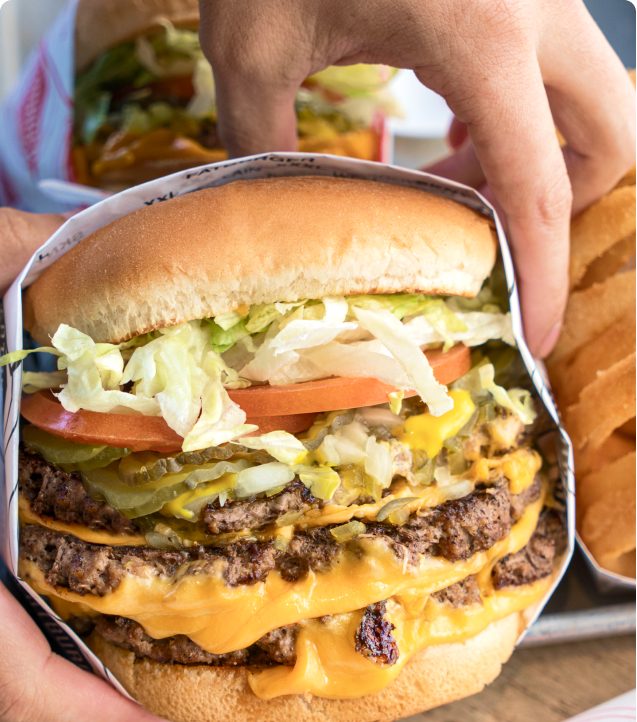
The parent company oversees more than 2,200 restaurants worldwide, including well-known chains such as Fatburger, Johnny Rockets, Round Table Pizza, Marble Slab Creamery, Fazoli’s, Twin Peaks, Smokey Bones, Hot Dog on a Stick, Buffalo’s Cafe & Express, Hurricane Grill & Wings, Pretzelmaker, Elevation Burger, Native Grill & Wings, Yalla Mediterranean, and Ponderosa and Bonanza Steakhouses. Of these locations, approximately 150 are directly operated by the parent company, employing around 7,500 workers in the United States, while franchise partners employ roughly 45,000 additional staff globally. CEO Andy Wiederhorn emphasized that the bankruptcy would not affect day-to-day operations at these locations.
According to court filings, the company’s business has been impacted by persistent inflation, rising food and labor costs, and a general decline in customer demand for casual dining experiences. These industry headwinds were compounded by the company’s significant debt load, which amounted to $1.4 billion. FAT Brands reported spending $72 million on interest and amortization payments since 2022, alongside $85 million in legal fees dating back to 2021. The combination of high debt obligations and rising operational costs strained the company’s cash flow, ultimately leading to the bankruptcy filing.
Bankruptcy filings also highlight the lingering effects of legal troubles surrounding the company’s former CEO, Andrew Wiederhorn. In 2024, the U.S. Department of Justice indicted Wiederhorn and others associated with the company, alleging that he had taken $47 million in undisclosed loans from the business and evaded federal tax obligations. The DOJ later dropped the charges in August 2025, citing a shift in enforcement priorities under President Donald Trump, including a new focus on immigration enforcement and a de-emphasis on certain white-collar investigations. While the criminal case was dismissed, the U.S. Securities and Exchange Commission maintained a civil suit against FAT Brands. The company reported that it had reached an agreement in principle to settle the SEC litigation, though the settlement had not yet been finalized.
The bankruptcy filings emphasize that, despite these challenges, the company remains operational. CEO Wiederhorn stated in a press release that all restaurants under the company’s umbrella would continue to serve customers without interruption. In addition to the well-known brands already mentioned, the conglomerate operates other dining concepts such as Great American Cookies, Buffalo’s Cafe & Express, Pretzelmaker, Elevation Burger, and Yalla Mediterranean, demonstrating the company’s wide-ranging footprint in the restaurant sector.
FAT Brands’ corporate structure includes both company-operated locations and franchise arrangements. Approximately 1,900 restaurants are run by franchisees under licensing agreements, providing a steady revenue stream for the company. These franchisees were also reassured that the bankruptcy filing would not affect their operations or existing business agreements. The company stated that its main objective in filing for Chapter 11 protection is to restructure debt, optimize financial operations, and emerge from bankruptcy as a stronger, more sustainable enterprise.
Financial analysts have pointed to the company’s high leverage as a key factor in its bankruptcy. Even as the restaurant industry began to recover from pandemic-related slowdowns, companies with substantial debt burdens faced increased vulnerability to interest rate fluctuations and inflationary pressures. FAT Brands’ filings reveal that the company has struggled to balance operational costs with debt service obligations, ultimately depleting cash reserves and making bankruptcy a necessary step.
The company’s legal challenges have also added significant strain. Beyond the DOJ indictment of Wiederhorn, the SEC civil suit has been an ongoing concern, requiring the company to devote substantial resources to legal defenses. According to filings, FAT Brands has spent tens of millions of dollars in legal fees over the past several years, further limiting its ability to invest in restaurant operations or growth initiatives.
Industry experts note that bankruptcy filings are not uncommon for highly leveraged restaurant chains, especially those operating in the casual dining and fast-casual sectors. Chapter 11 protection allows companies to reorganize their debt while maintaining operations, which can preserve jobs, support franchise networks, and provide a pathway to financial recovery. In FAT Brands’ case, this restructuring could include renegotiating loan terms, reducing interest obligations, and resolving pending legal disputes.
Court documents show that the company sought and obtained permission to use a portion of its remaining cash reserves to cover $400,000 in recently issued payroll checks, ensuring employees could be paid on schedule. This step underscores the company’s intention to maintain operational stability for both direct employees and those employed by franchise partners.
The bankruptcy filing also includes details about the company’s leadership and legal representation. Attorneys representing FAT Brands include Ray Schrock and Natasha Hwangpo of Latham & Watkins LLP, as well as Tad Davidson and Ashley Harper of Hunton Andrews Kurth LLP. The filing notes that these legal teams are working to guide the company through Chapter 11 proceedings while protecting the interests of creditors, employees, and franchisees.
While FAT Brands navigates its bankruptcy, analysts are watching closely for signals about the company’s long-term viability and ability to maintain its brand portfolio. The restaurant chains under its umbrella have strong consumer recognition, and continuing operations during bankruptcy could allow the company to stabilize its business, reassure franchisees, and eventually emerge financially healthier.
Observers also note that FAT Brands’ situation highlights broader challenges in the U.S. restaurant sector, where rising food and labor costs, changing consumer habits, and debt burdens continue to pressure operators. Companies with diversified portfolios and recognizable brands, like FAT Brands, may be better positioned to weather these challenges if they can successfully restructure debt and manage operational costs.
In conclusion, FAT Brands’ bankruptcy filing marks a significant moment for the company and its franchisees, signaling both the financial pressures facing the restaurant industry and the challenges of balancing debt, operational costs, and legal obligations. By maintaining restaurant operations during restructuring and seeking to resolve outstanding legal issues, the company is positioning itself to emerge from Chapter 11 with a more sustainable business model. For customers, employees, and franchise partners, the immediate priority will be continuity of service and reassurance that their restaurants will remain open while the company works through the bankruptcy process.
The case is filed as In re FAT Brands Inc., U.S. Bankruptcy Court for the Southern District of Texas, No. 26-90126.

Emily Johnson is a critically acclaimed essayist and novelist known for her thought-provoking works centered on feminism, women’s rights, and modern relationships. Born and raised in Portland, Oregon, Emily grew up with a deep love of books, often spending her afternoons at her local library. She went on to study literature and gender studies at UCLA, where she became deeply involved in activism and began publishing essays in campus journals. Her debut essay collection, Voices Unbound, struck a chord with readers nationwide for its fearless exploration of gender dynamics, identity, and the challenges faced by women in contemporary society. Emily later transitioned into fiction, writing novels that balance compelling storytelling with social commentary. Her protagonists are often strong, multidimensional women navigating love, ambition, and the struggles of everyday life, making her a favorite among readers who crave authentic, relatable narratives. Critics praise her ability to merge personal intimacy with universal themes. Off the page, Emily is an advocate for women in publishing, leading workshops that encourage young female writers to embrace their voices. She lives in Seattle with her partner and two rescue cats, where she continues to write, teach, and inspire a new generation of storytellers.