


Twin Hospitality Group Inc., the parent company behind the popular sports bar chain Twin Peaks, has filed for voluntary Chapter 11 bankruptcy protection, marking the latest high-profile restructuring in the struggling casual dining industry.
The Dallas-area restaurant operator confirmed Monday that it submitted its bankruptcy petition in the U.S. Bankruptcy Court for the Southern District of Texas. Despite the filing, the company emphasized that its restaurants will remain open and fully operational throughout the restructuring process.
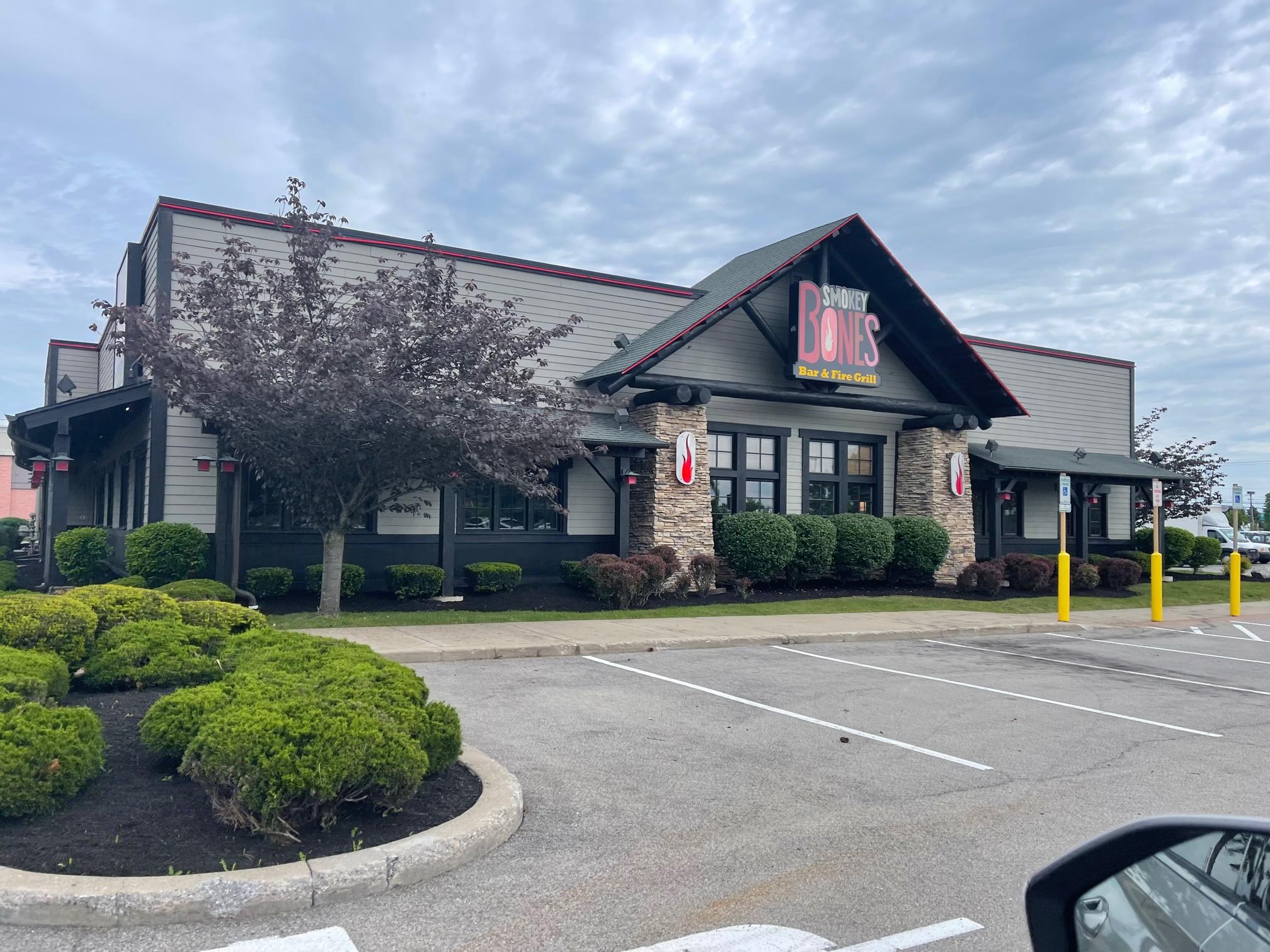
Twin Hospitality oversees two restaurant concepts: Twin Peaks, a sports lodge–style bar with 114 locations across the United States and Mexico, and Smokey Bones, a full-service barbecue restaurant chain. According to the company, neither brand plans to shut down locations as a direct result of the bankruptcy filing, and franchise operations will continue without interruption.
Chief Executive Officer Andy Wiederhorn framed the Chapter 11 process as a strategic move rather than a retreat.
“Twin Peaks has redefined the sports bar experience and built an iconic and highly profitable business,” Wiederhorn said in a press release announcing the filing. “The Chapter 11 process will enable us to strengthen our balance sheet and create financial flexibility to advance this growth.”
A Financial Reset, Not a Shutdown
Chapter 11 bankruptcy allows companies to reorganize their debt while continuing normal business operations, a route increasingly taken by restaurant operators grappling with rising costs, shifting consumer behavior, and lingering post-pandemic challenges.
Under the filing, Twin Hospitality will work to restructure its financial obligations while maintaining service to customers and support for franchise partners. The company also confirmed that trading of its stock will continue on the NASDAQ under the ticker symbol TWNP, though it will temporarily carry a “Q” suffix, a standard designation for companies undergoing bankruptcy proceedings.
Wiederhorn said the company intends to engage closely with lenders, investors, and other stakeholders during the process.
“We plan to use this process to connect with key stakeholders around a value-maximizing plan and will act prudently to remain steadfast in upholding and protecting stakeholder interests,” he said. “Our focus in this process remains providing quality service to our customers and supporting our franchise partners and the thousands of corporate and franchise employees.”
Twin Peaks: The Core Growth Engine
Founded in 2005 in the Dallas suburb of Lewisville, Texas, Twin Peaks has grown into one of the most recognizable brands in the sports bar segment. The concept markets itself as an “ultimate sports lodge,” featuring wall-to-wall televisions, rustic lodge-inspired décor, and expansive bar areas designed to maximize live sports viewing.
The chain is particularly known for its made-from-scratch menu items, including smashed and seared-to-order burgers, hand-cut steaks, and in-house smoked brisket and wings. The brand also heavily promotes what it calls “the coldest beer in the business,” served from an extensive draft selection.
Over the past decade, Twin Peaks has steadily expanded through both company-owned and franchised locations, positioning itself as a direct competitor to chains such as Hooters, Buffalo Wild Wings, and other sports-focused casual dining brands.
According to company statements, Twin Peaks remains the strongest financial performer within the Twin Hospitality portfolio and is expected to play a central role in the company’s post-bankruptcy strategy.
Smokey Bones Restructuring and Conversions
Smokey Bones, Twin Hospitality’s barbecue-focused brand, has faced more significant operational challenges. The chain has undergone substantial restructuring in recent months, including leadership changes and the closure of underperforming locations.
In September, Twin Hospitality appointed Ken Brendemihl as president of Smokey Bones. Brendemihl brought more than 25 years of restaurant industry experience to the role and was tasked with stabilizing the brand and improving profitability.
As part of that effort, the company began converting select Smokey Bones locations into Twin Peaks sports bars—an initiative that has produced notable financial results. According to Twin Hospitality, two completed conversions generated average unit volumes of approximately $7.8 million per location, compared with about $3.5 million when those same restaurants operated under the Smokey Bones brand.
The significant revenue gap reinforced the company’s belief that Twin Peaks represents a more scalable and profitable concept, particularly in markets where sports-centric dining remains strong.
Industry-Wide Pressures Mount
Twin Hospitality’s bankruptcy filing comes amid mounting pressure across the casual dining sector. Rising labor costs, higher food and commodity prices, increased rent expenses, and more price-sensitive consumers have combined to strain restaurant operators nationwide.
The industry has also faced increased competition from fast-casual chains, delivery-focused brands, and at-home dining habits that became more entrenched during the COVID-19 pandemic.
Twin Hospitality is far from alone in seeking bankruptcy protection. Earlier this year, Hooters filed for Chapter 11 protection as it transitioned toward a franchise-only business model, closing company-owned locations in an effort to cut costs and stabilize operations.
More recently, FAT Brands Inc.—the parent company of Fatburger, Johnny Rockets, Round Table Pizza, and several other restaurant chains—also filed for Chapter 11 bankruptcy. That filing underscored the breadth of financial stress affecting even well-established restaurant groups with multiple national brands.
What Comes Next
As the bankruptcy proceedings move forward, Twin Hospitality will work under court supervision to restructure its debt and chart a path toward long-term financial stability. A dedicated website maintained by Omni Agent Solutions has been established to provide creditors and stakeholders with updates and detailed information about the case.
For customers, the company insists that little will change in the short term. Restaurants will continue operating, menus will remain intact, and franchise partners will receive ongoing support.
For the broader restaurant industry, Twin Hospitality’s filing serves as another reminder that even popular and profitable brands are not immune to the economic headwinds reshaping casual dining. Whether the Chapter 11 process ultimately positions Twin Peaks for renewed expansion—or signals further consolidation in the sector—will depend on how effectively the company executes its restructuring in the months ahead.

Emily Johnson is a critically acclaimed essayist and novelist known for her thought-provoking works centered on feminism, women’s rights, and modern relationships. Born and raised in Portland, Oregon, Emily grew up with a deep love of books, often spending her afternoons at her local library. She went on to study literature and gender studies at UCLA, where she became deeply involved in activism and began publishing essays in campus journals. Her debut essay collection, Voices Unbound, struck a chord with readers nationwide for its fearless exploration of gender dynamics, identity, and the challenges faced by women in contemporary society. Emily later transitioned into fiction, writing novels that balance compelling storytelling with social commentary. Her protagonists are often strong, multidimensional women navigating love, ambition, and the struggles of everyday life, making her a favorite among readers who crave authentic, relatable narratives. Critics praise her ability to merge personal intimacy with universal themes. Off the page, Emily is an advocate for women in publishing, leading workshops that encourage young female writers to embrace their voices. She lives in Seattle with her partner and two rescue cats, where she continues to write, teach, and inspire a new generation of storytellers.