



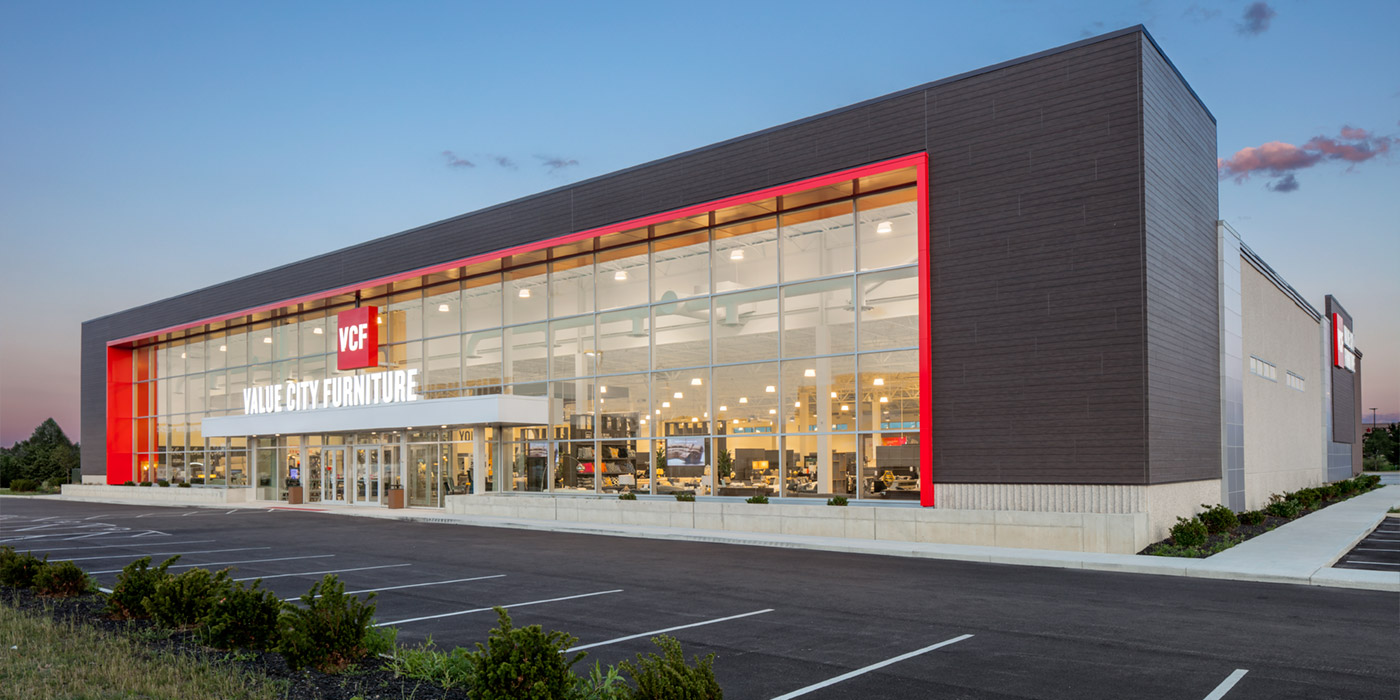
A longstanding home furnishings retailer has begun a sweeping storewide clearance across dozens of locations as it prepares to close its doors permanently. The liquidation encompasses stores in multiple states, offering customers the chance to purchase furniture and home goods at unprecedented discounts, with markdowns reaching up to 50% on a wide variety of items.
For nearly eight decades, this retailer has been a familiar presence in communities across the eastern United States. Generations of customers have visited its stores seeking stylish living room, dining room, and bedroom furniture, as well as mattresses, rugs, lighting, and decorative items. Over the years, it earned a reputation for combining quality and affordability, providing families with a reliable destination for furnishing their homes.
The clearance comes following persistent economic challenges that have reshaped the retail environment, particularly for mid-sized furniture chains. Rising supply chain costs, inflation, and increased competition from online platforms have made profitability increasingly difficult. Many traditional brick-and-mortar retailers have struggled to adapt to changing consumer behaviors, including the growing preference for online shopping and home delivery services.
In response to these pressures, the company sought protection under Chapter 11 bankruptcy in late 2025. The filing allowed it to evaluate its options, including a potential sale or restructuring, with the goal of safeguarding the interests of creditors and stakeholders. Despite securing financing to maintain operations during this period, management ultimately determined that a full liquidation was the most responsible course of action, ensuring that inventory could be sold and the business closed in an orderly fashion.
The liquidation is being overseen by a joint venture of experienced restructuring firms, who are coordinating the storewide clearance across multiple locations. Shoppers can expect substantial discounts on nearly all merchandise, including furniture sets, mattresses, lighting fixtures, rugs, and home decor. Five stores in Tennessee and North Carolina, previously scheduled for closure, have already begun offering storewide markdowns and are continuing to deepen price cuts as they finalize sales.
At the center of this liquidation is Value City Furniture and American Signature Furniture, the parent company having recently received court approval to close all remaining locations. The closures affect 79 Value City Furniture stores across 13 states, as well as 10 American Signature locations in Delaware and Florida. Founded in 1948, the family-owned company grew steadily over decades to become a staple in the mid-range home furnishings market.
The Columbus-based company has built a legacy on offering customers quality furniture at affordable prices, combining in-store experiences with attentive service. Its locations have historically allowed shoppers to see, touch, and test furniture before purchasing—a model increasingly challenged by the rise of e-commerce retailers providing home delivery and virtual showrooms.
Aaron Miller, president of one of the firms overseeing the liquidation, encouraged shoppers to visit stores early to take advantage of the breadth of available inventory. “A sale of this magnitude will bring never-before-seen values to a broad selection of top-quality furniture already offered at truly affordable prices,” he said. Miller noted that high demand is expected to result in rapid sellouts across most locations.
The bankruptcy process included approximately $50 million in debtor-in-possession financing, helping the company maintain operations while exploring potential sale options under Section 363 of the U.S. Bankruptcy Code. Management initially hoped to conduct a competitive auction to maximize value for stakeholders, but ongoing market pressures made liquidation the most feasible path.
This move has wide-reaching implications, not only for customers but also for employees. Hundreds of store associates, managers, and support staff will be affected by the closures. While some may receive severance or assistance through the bankruptcy process, many face the prospect of unemployment, highlighting the human impact of retail consolidation and closure.
Despite the challenges, the liquidation provides customers with unprecedented opportunities to purchase high-quality home furnishings at steep discounts. With reductions of up to 50%, buyers can acquire everything from complete bedroom sets to individual furniture pieces, mattresses, lighting, and decorative items. The clearance is attracting both long-time patrons who have shopped at the stores for years and new customers seeking affordable options.
Industry analysts view this liquidation as part of a broader trend affecting mid-sized, brick-and-mortar furniture retailers. The combination of rising operational costs, changing consumer preferences, and intense competition from both discount chains and online platforms has created a difficult operating environment. Many companies unable to adjust to these pressures have faced closures, bankruptcies, or mergers.
The closure of Value City Furniture and American Signature Furniture also marks the end of a cultural and community presence. The stores were more than just retail outlets—they were part of the fabric of the neighborhoods they served. Families have long associated these locations with accessible quality furniture, personalized service, and a reliable shopping experience. For many, the stores were a go-to destination for furnishing first apartments, new homes, or upgrading living spaces.
The liquidation underscores the evolving dynamics of retail in the United States. Shoppers increasingly expect convenience, online accessibility, and competitive pricing. Retailers must balance maintaining physical store experiences with digital offerings and efficiency in operations. Those unable to meet these demands often confront financial instability, leading to decisions like the one now faced by Value City and American Signature.
While the liquidation marks an end for the company, it also represents a moment for consumers to access high-quality products at substantial savings. Retail liquidation specialists involved in the process are managing the wind-down in a way that maximizes returns on inventory, ensuring that merchandise is sold efficiently while providing value to customers. The discounts on offer are some of the deepest the company has ever provided, a final incentive for shoppers before the stores close permanently.
For long-time customers, the closures are bittersweet. Generations of families have relied on these stores for their home furnishings, and many will remember the personalized shopping experience, knowledgeable staff, and the ability to see and test products before buying. The end of this retailer reflects the broader challenges of mid-sized brick-and-mortar retail in an increasingly digital world, where adapting to shifting consumer expectations is crucial for survival.
Looking forward, the liquidation will continue over the next several weeks. Inventory remaining in stores is expected to be sold quickly, with stores gradually closing as sales wind down. Customers are advised to visit locations early for the best selection of discounted items. For employees, the closure process will involve transitioning out of the company, with some receiving support or severance through bankruptcy proceedings.
Ultimately, the closure of Value City Furniture and American Signature Furniture is a significant event in American retail history. The stores have provided generations of consumers with access to affordable, high-quality home furnishings, leaving a lasting imprint on the communities they served. While economic pressures and changes in consumer behavior have led to the company’s closure, the liquidation allows for a final opportunity to experience the brand’s offerings at dramatically reduced prices.
As the retail landscape continues to evolve, the story of Value City Furniture and American Signature Furniture serves as both a cautionary tale and a testament to the importance of adaptation in business. While the stores will soon disappear from the streets, the legacy of nearly 80 years of family-owned retail, community presence, and dedication to value will remain in the memories of those who shopped there and in the broader history of American home furnishings.

Emily Johnson is a critically acclaimed essayist and novelist known for her thought-provoking works centered on feminism, women’s rights, and modern relationships. Born and raised in Portland, Oregon, Emily grew up with a deep love of books, often spending her afternoons at her local library. She went on to study literature and gender studies at UCLA, where she became deeply involved in activism and began publishing essays in campus journals. Her debut essay collection, Voices Unbound, struck a chord with readers nationwide for its fearless exploration of gender dynamics, identity, and the challenges faced by women in contemporary society. Emily later transitioned into fiction, writing novels that balance compelling storytelling with social commentary. Her protagonists are often strong, multidimensional women navigating love, ambition, and the struggles of everyday life, making her a favorite among readers who crave authentic, relatable narratives. Critics praise her ability to merge personal intimacy with universal themes. Off the page, Emily is an advocate for women in publishing, leading workshops that encourage young female writers to embrace their voices. She lives in Seattle with her partner and two rescue cats, where she continues to write, teach, and inspire a new generation of storytellers.