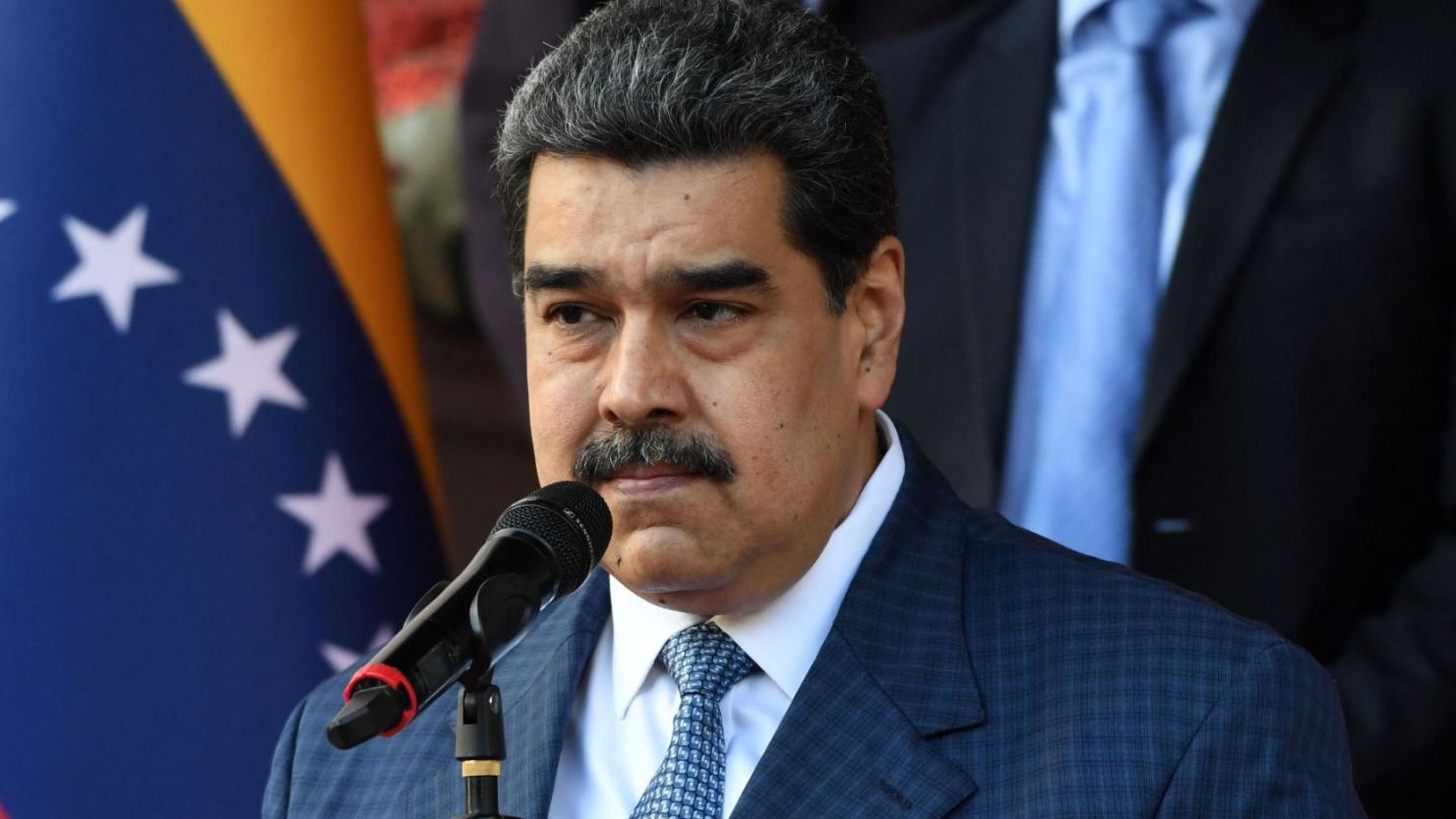
The long-anticipated criminal trial of Venezuelan leader Nicolás Maduro is officially moving forward in the United States, marking a historic moment that could reshape relations between Washington and Caracas for decades.
Following his dramatic capture and removal from Venezuela earlier this month, Maduro is now set to stand trial in a U.S. federal court on sweeping charges that include narco-terrorism, large-scale drug trafficking, and weapons-related conspiracies. U.S. officials have framed the case as one of the most significant prosecutions of a foreign leader ever undertaken by American authorities.
The proceedings are expected to draw intense international attention, with global implications for diplomacy, international law, and the future of Venezuela’s political leadership.

From Power to Defendant
For years, Maduro ruled Venezuela amid accusations of corruption, election fraud, human rights abuses, and links to international drug trafficking networks. U.S. prosecutors allege that he used state institutions to protect and facilitate narcotics operations intended to flood the United States with cocaine.
American officials argue that the trial represents accountability long delayed.
“This is about justice, not politics,” administration officials have said repeatedly, describing the case as the culmination of years of investigations by U.S. law enforcement and intelligence agencies.
Maduro has denied all allegations against him, and his legal team has indicated it will challenge the court’s jurisdiction and the circumstances surrounding his arrest.
Charges With Global Reach
The indictment accuses Maduro of leading a criminal enterprise that worked in coordination with armed groups and traffickers to move massive quantities of drugs into North America. Prosecutors also allege that he authorized the use and possession of military-grade weapons in furtherance of those crimes.
Legal experts say the case is extraordinary not only because of the charges themselves, but because Maduro was a sitting head of state at the time many of the alleged crimes occurred.
If convicted, Maduro could face decades in U.S. prison, potentially amounting to a life sentence.

Political Shockwaves in Venezuela
Back in Venezuela, Maduro’s impending trial has thrown the country into uncertainty. Officials loyal to him have condemned the proceedings as illegitimate and politically motivated, while opposition figures have welcomed the case as a long-awaited reckoning.
The Venezuelan government has demanded proof of life and access to Maduro, and has accused the United States of violating international law by detaining a foreign leader.
Meanwhile, military and security forces in Venezuela remain on high alert, with authorities warning against unrest or attempts to exploit the situation.
🔍 Midpoint Reveal: Trial Time and Date Confirmed
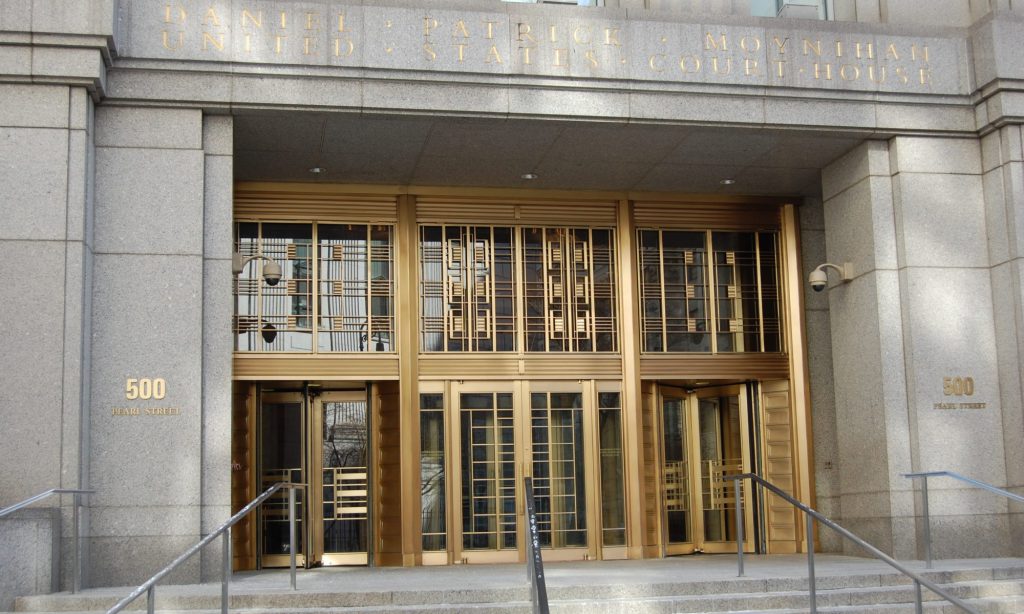
At the midpoint of the unfolding legal drama, U.S. court officials have now confirmed that Maduro’s federal trial will begin Monday morning in New York, with jury selection scheduled to start first thing that day in a Manhattan federal courthouse.
The case will be heard in the Southern District of New York, a venue often reserved for high-profile international prosecutions involving terrorism, organized crime, and large-scale financial offenses.
Court security is expected to be exceptionally tight, with federal authorities preparing for protests, diplomatic fallout, and unprecedented media attention.
Defense Signals Aggressive Strategy
Maduro’s attorneys are expected to mount an aggressive defense, challenging the legality of his capture, the admissibility of evidence, and the U.S. government’s authority to prosecute a foreign head of state.
Legal analysts say early motions could delay parts of the trial, but the court appears determined to move forward swiftly.
The defense is also expected to argue that the case is inseparable from U.S. foreign policy objectives, a claim prosecutors are likely to reject forcefully.


Why This Trial Is Different
Unlike previous indictments announced against Maduro while he remained in power, this case will unfold with the defendant physically present in the United States — a key distinction that transforms a symbolic legal action into a tangible judicial process.
Experts say the trial could set a precedent for how powerful leaders accused of international crimes are treated when they lose political protection.
“This is uncharted territory,” said one former federal prosecutor. “You almost never see a case like this actually reach trial.”
International Reaction Intensifies
Foreign governments are watching closely. Some have condemned the trial as an overreach of U.S. authority, while others see it as a warning to authoritarian leaders who believe power grants immunity.
Diplomatic tensions are expected to rise as testimony begins and evidence is presented in open court.
The outcome could influence future extraditions, international arrest warrants, and how global institutions respond to alleged crimes committed by heads of state.
What Comes Next
As Monday approaches, all eyes will be on New York, where prosecutors and defense attorneys will face off in a courtroom that may determine not only Maduro’s fate, but the future trajectory of Venezuela itself.
The trial promises to be lengthy, contentious, and historic — a rare moment where geopolitics, criminal law, and international power collide inside a U.S. courtroom.
Whether it ends in conviction, dismissal, or prolonged legal battle, the case is already reshaping how the world views accountability at the highest levels of power.

Emily Johnson is a critically acclaimed essayist and novelist known for her thought-provoking works centered on feminism, women’s rights, and modern relationships. Born and raised in Portland, Oregon, Emily grew up with a deep love of books, often spending her afternoons at her local library. She went on to study literature and gender studies at UCLA, where she became deeply involved in activism and began publishing essays in campus journals. Her debut essay collection, Voices Unbound, struck a chord with readers nationwide for its fearless exploration of gender dynamics, identity, and the challenges faced by women in contemporary society. Emily later transitioned into fiction, writing novels that balance compelling storytelling with social commentary. Her protagonists are often strong, multidimensional women navigating love, ambition, and the struggles of everyday life, making her a favorite among readers who crave authentic, relatable narratives. Critics praise her ability to merge personal intimacy with universal themes. Off the page, Emily is an advocate for women in publishing, leading workshops that encourage young female writers to embrace their voices. She lives in Seattle with her partner and two rescue cats, where she continues to write, teach, and inspire a new generation of storytellers.