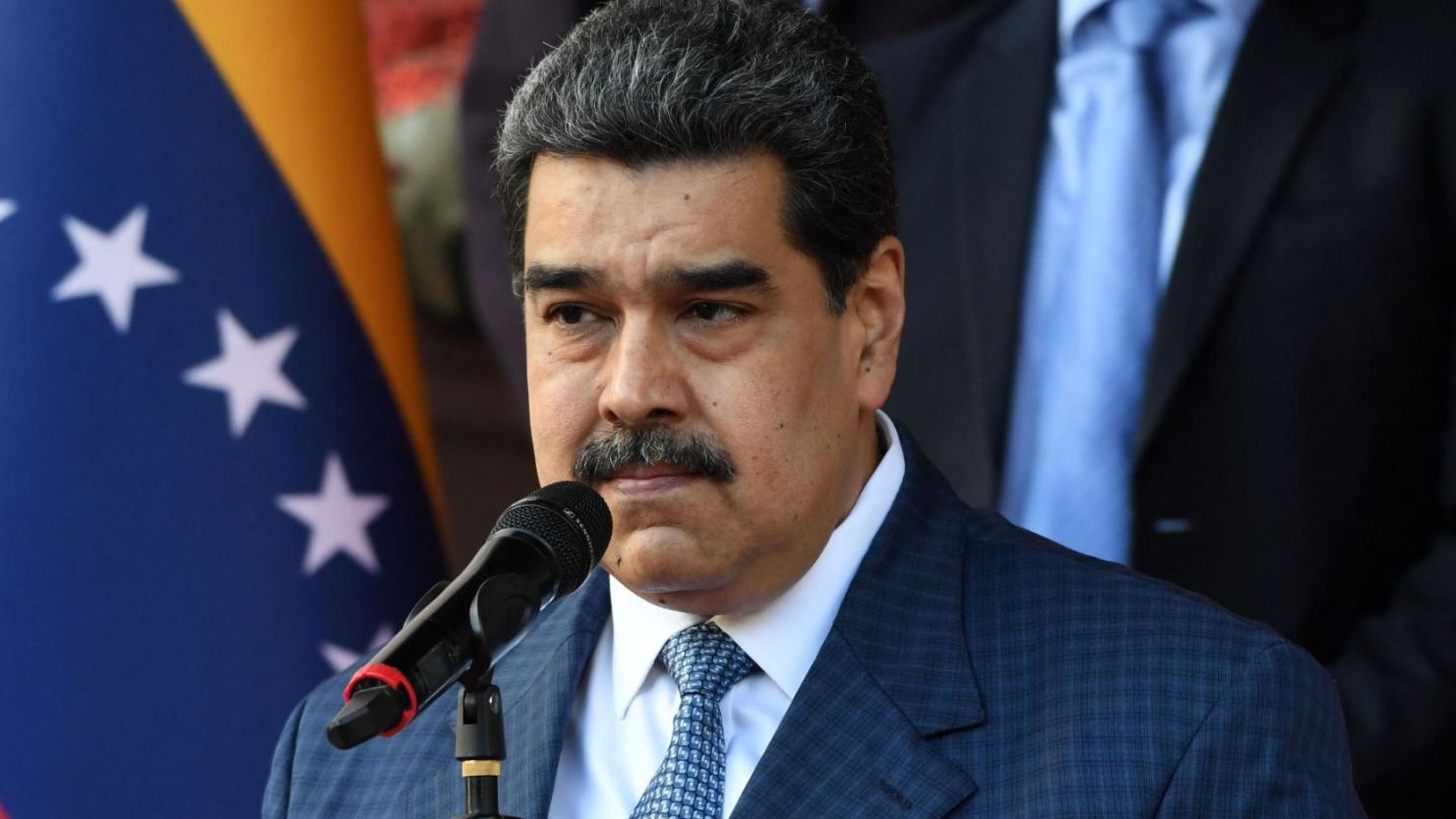
A Defiant Plea After a Stunning Capture
In a dramatic first appearance following his capture by U.S. forces, Venezuelan leader Nicolás Maduro entered a plea of not guilty to sweeping criminal charges in a New York federal courtroom, setting the stage for one of the most consequential geopolitical trials in decades.
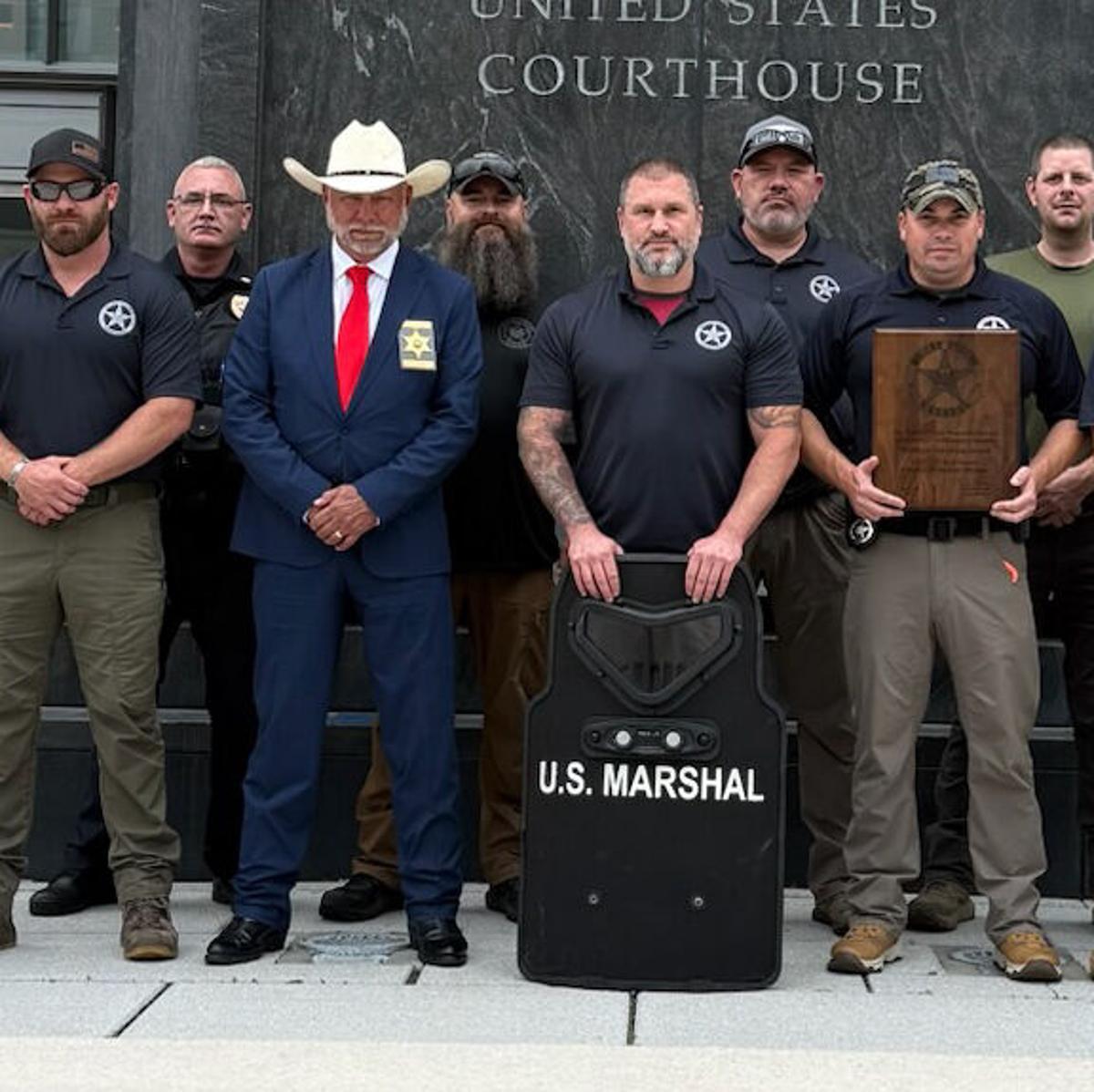
The plea came days after a covert U.S. military operation removed Maduro and his wife from Caracas and transported them to American custody. While the capture itself dominated headlines, legal experts and foreign policy analysts say the real significance lies in what Maduro’s plea signals—not only about his legal strategy, but about how the case could reshape global power dynamics involving China, Russia, and Iran.


Why Maduro Rejected a Deal
By pleading not guilty, Maduro has signaled that he intends to challenge not only the charges themselves, but the legality of his capture and extradition.
Defense lawyers are expected to argue that Maduro, as a sitting head of state at the time of his arrest, was protected by sovereign immunity. While U.S. prosecutors dispute that claim, the argument places the court at the center of a complex intersection of criminal law and international norms.
Legal analysts say a guilty plea would have implied recognition of U.S. jurisdiction. A not-guilty plea, by contrast, preserves Maduro’s claim that the United States acted unlawfully—an argument closely watched by foreign governments wary of similar actions being taken against their own leaders.
Charges With Global Implications
The indictment accuses Maduro of leading a narco-terrorism conspiracy that allegedly coordinated with transnational criminal organizations to move cocaine and weapons into the United States.
Prosecutors claim the operation was not rogue activity, but a state-level enterprise shielded by Venezuelan political and military institutions.
If the case proceeds to trial, U.S. officials could present intelligence detailing alleged cooperation between Venezuelan networks and foreign actors—material that analysts say could expose uncomfortable links involving multiple adversarial governments.


China’s Quiet Alarm
Beijing has reacted cautiously to Maduro’s capture and plea, avoiding overt condemnation while issuing statements emphasizing sovereignty and non-interference.
China has billions of dollars invested in Venezuelan oil, infrastructure, and debt agreements. Maduro’s removal—and potential conviction—raises questions about the future of those contracts and whether a transitional government would honor them.
Strategists in Washington believe the trial could also reveal how Chinese state-linked firms operated within Venezuela during Maduro’s rule, possibly prompting increased scrutiny of Beijing’s overseas investments.
For China, the concern is not just Venezuela—but precedent.
Russia Sees a Dangerous Line Crossed
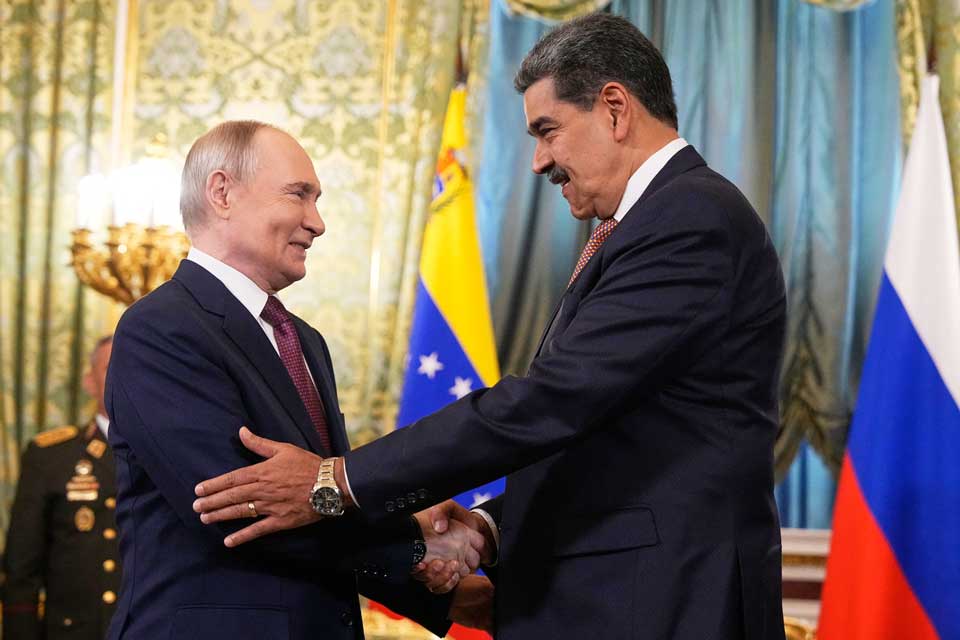
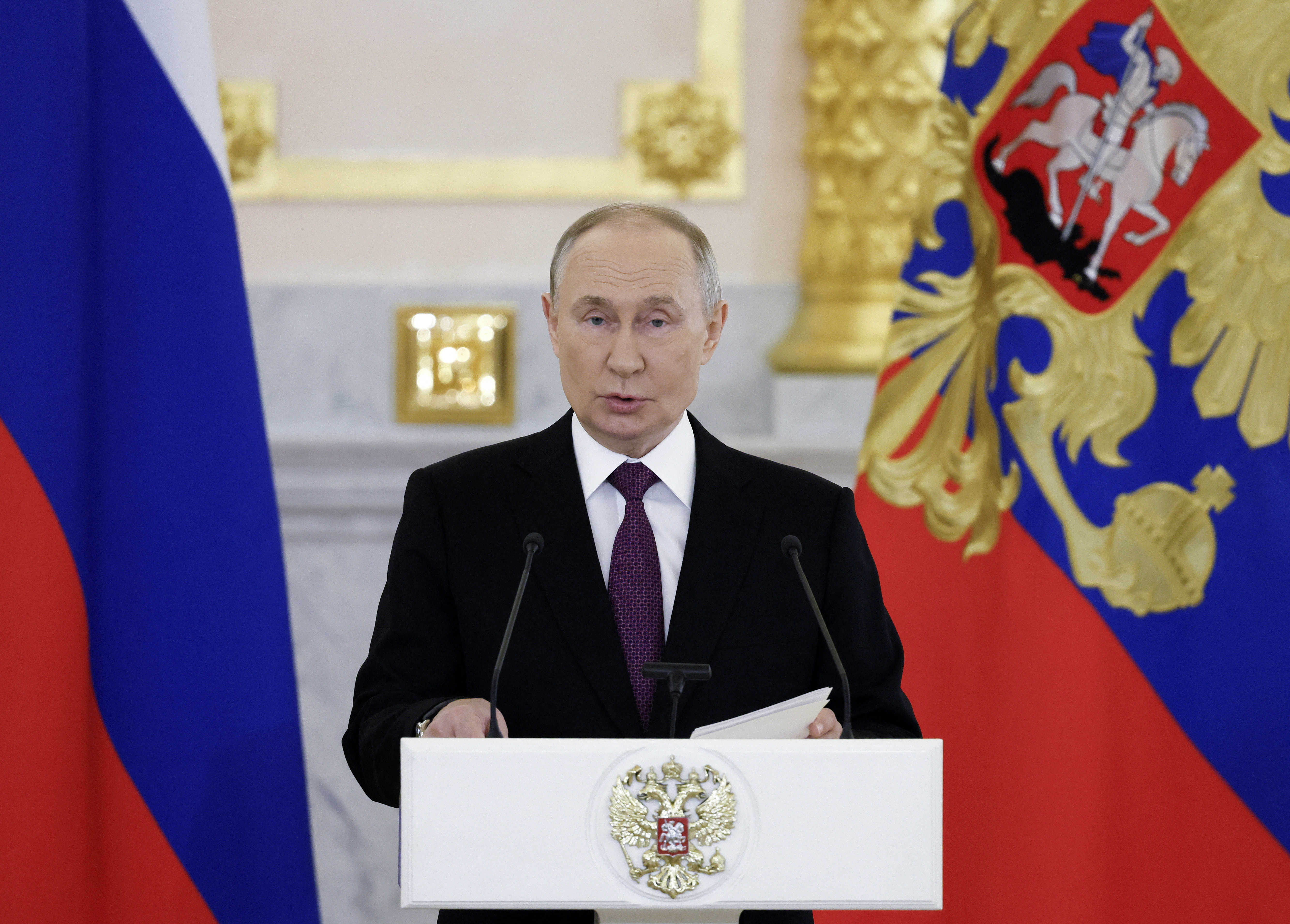
Moscow has been far more vocal, denouncing Maduro’s capture as an act of aggression and warning that it undermines global stability.
Russia has long treated Venezuela as a strategic foothold in the Western Hemisphere, providing military equipment, intelligence cooperation, and diplomatic backing. Maduro’s plea ensures that sensitive information about those relationships could surface in court.
Russian officials fear the trial may be used to justify future actions against allied leaders elsewhere—especially in regions where U.S. and Russian interests collide.
Iran’s Exposure Risk
Iran’s stake in the case may be the most precarious.
U.S. officials have previously accused Tehran of using Venezuela as a logistical hub for sanctions evasion, oil shipments, and covert financial transfers. Maduro’s decision to fight the charges raises the possibility that prosecutors will introduce evidence detailing those alleged channels.
Analysts say even limited disclosures could complicate Iran’s diplomatic posture and reinforce Washington’s case for tightening international pressure.
For Tehran, the fear is less about Maduro personally—and more about what he might reveal if the trial advances.
Why the Plea Matters More Than the Verdict
Foreign policy experts argue that the plea itself may prove more consequential than any eventual conviction.
A prolonged trial would keep Venezuela—and U.S. power projection—at the center of global attention for months, if not years. It would also test how far the United States is willing to go in treating alleged narco-states as criminal enterprises rather than sovereign governments.
Supporters of the prosecution say the case sends a clear message: political power does not shield leaders accused of mass criminal activity.
Critics warn it risks destabilizing international norms and encouraging retaliatory actions by rival powers.
The Message to the World
By pleading not guilty, Maduro has chosen confrontation over compromise.
The move ensures that the courtroom will become a stage not just for criminal allegations, but for a broader debate about sovereignty, intervention, and the reach of American law.
For Washington, the case is about accountability.
For Beijing, Moscow, and Tehran, it is about precedent.
And for the rest of the world, Maduro’s plea marks the beginning—not the end—of a geopolitical reckoning that extends far beyond Venezuela’s borders.

Emily Johnson is a critically acclaimed essayist and novelist known for her thought-provoking works centered on feminism, women’s rights, and modern relationships. Born and raised in Portland, Oregon, Emily grew up with a deep love of books, often spending her afternoons at her local library. She went on to study literature and gender studies at UCLA, where she became deeply involved in activism and began publishing essays in campus journals. Her debut essay collection, Voices Unbound, struck a chord with readers nationwide for its fearless exploration of gender dynamics, identity, and the challenges faced by women in contemporary society. Emily later transitioned into fiction, writing novels that balance compelling storytelling with social commentary. Her protagonists are often strong, multidimensional women navigating love, ambition, and the struggles of everyday life, making her a favorite among readers who crave authentic, relatable narratives. Critics praise her ability to merge personal intimacy with universal themes. Off the page, Emily is an advocate for women in publishing, leading workshops that encourage young female writers to embrace their voices. She lives in Seattle with her partner and two rescue cats, where she continues to write, teach, and inspire a new generation of storytellers.