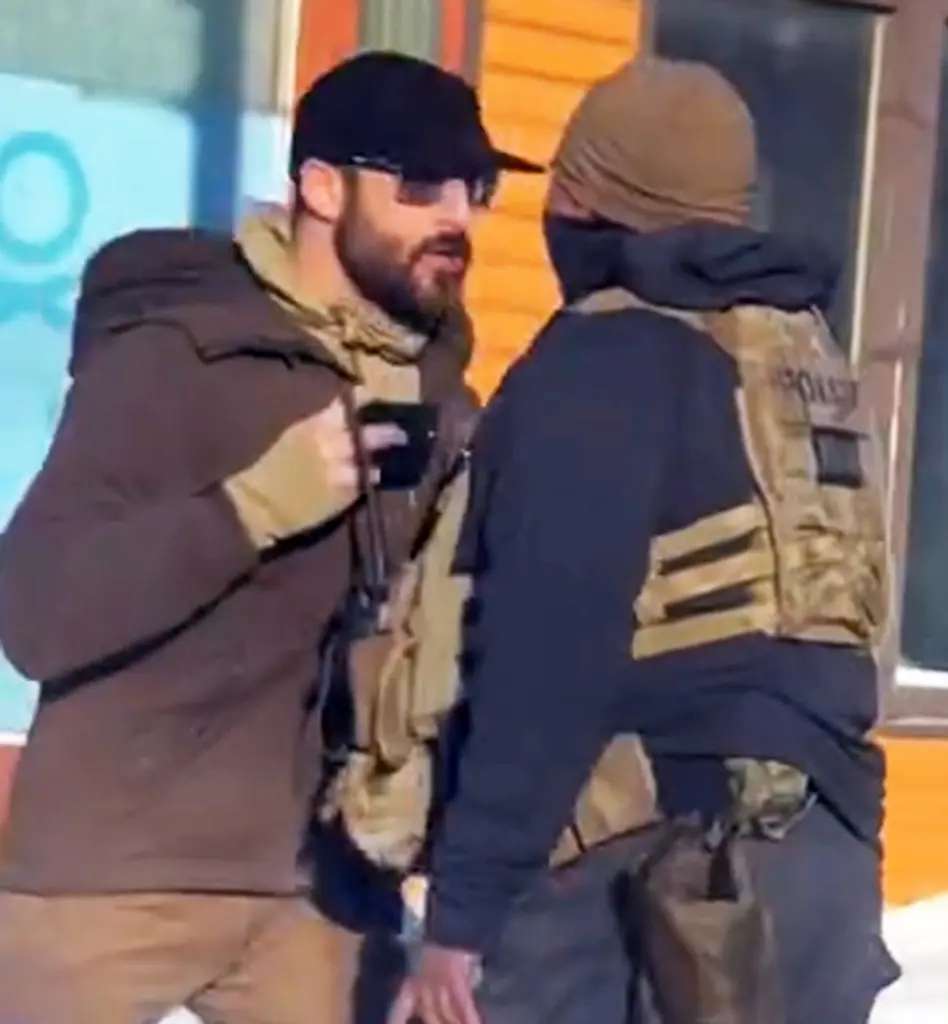
Two federal agents fired on Alex Pretti during a fatal confrontation in Minneapolis last weekend, according to a preliminary review by an internal Department of Homeland Security watchdog. The early findings make no claim that Pretti brandished a firearm before he was shot, a key detail that appears to contradict public statements made by the Trump administration in the immediate aftermath of the shooting.
Pretti, a 37-year-old intensive care nurse and U.S. citizen, was killed on Saturday during a federal immigration enforcement operation that quickly devolved into chaos. His death has sparked widespread protests, renewed scrutiny of federal law enforcement conduct at demonstrations, and mounting political pressure for transparency and accountability.
The preliminary review was conducted by the Office of Professional Responsibility within U.S. Customs and Border Protection and was transmitted to members of Congress on Tuesday. The document represents the first official reconstruction of events based on body camera footage and agency records. While officials cautioned that the review does not constitute final investigative findings, it provides a detailed timeline that challenges earlier claims made by senior administration officials.
In the hours following the shooting, Homeland Security Secretary Kristi Noem publicly stated that Pretti had been “brandishing” a firearm when agents opened fire. DHS also released a statement asserting, without publicly presented evidence, that Pretti intended to “massacre law enforcement.” Those claims fueled public outrage and became central to the administration’s defense of the agents’ actions.
The preliminary review, however, does not state that Pretti pointed or threatened officers with a gun at any point prior to the shooting. Instead, it describes a rapidly escalating physical confrontation that began shortly after 9 a.m. near Nicollet Avenue, where federal agents encountered protesters obstructing a roadway.
According to the report, the incident began when a federal officer confronted two female protesters who were blowing whistles and refusing orders to move out of the street. When the women did not comply, the officer pushed them aside. One of the women then ran toward a man later identified as Pretti.
The officer attempted to move both the woman and Pretti out of the roadway. When they failed to comply, the agent deployed pepper spray toward both individuals. The report states that a struggle then ensued between the agent and Pretti, who resisted efforts to take him into custody.
During that struggle, another Border Patrol agent repeatedly shouted, “He’s got a gun!” according to the report. Approximately five seconds later, one agent discharged a CBP-issued Glock 19, while another fired a CBP-issued Glock 47. An analysis later indicated that the agents fired a total of ten rounds.
According to reporting based on the review, six of those shots were fired after Pretti was already lying motionless on the ground. The report itself does not elaborate on the precise sequencing of each shot but confirms that both agents discharged their weapons during the encounter.
Notably, the review does not specify that Pretti raised, aimed, or brandished his firearm prior to being shot. It also does not clarify the exact moment when agents took possession of Pretti’s gun, which authorities say he was lawfully carrying at the time.
Following the shooting, one of the agents informed supervisors that he was in possession of Pretti’s firearm. Video footage circulating publicly appears to show that Pretti had been disarmed before he was shot multiple times, though investigators have not officially confirmed the timing of the disarmament.
At approximately 9:02 a.m., Customs and Border Protection personnel began providing medical aid to Pretti. Agents applied chest seals to his wounds at the scene before he was transported by ambulance to Hennepin County Medical Center. He was pronounced dead at approximately 9:32 a.m., according to the report.
A spokesperson for Customs and Border Protection emphasized that the preliminary review follows standard protocol after officer-involved shootings and does not represent a final determination of wrongdoing. The spokesperson said the review “does not convey any definitive conclusion or investigative findings,” underscoring that additional inquiries are ongoing.
Nevertheless, the findings have intensified scrutiny of the Trump administration’s initial response to the shooting. Critics argue that early claims portraying Pretti as an imminent threat may have been premature and potentially misleading, particularly given the absence of evidence that he brandished a weapon.
President Donald Trump has since attempted to lower tensions surrounding the incident. Over the weekend, he ordered Border Patrol Commander Greg Bovino to leave Minneapolis, marking a notable shift after Bovino publicly described the agents involved as the “victims” of the encounter.
Trump has stated that he wants an “honest” and transparent investigation into Pretti’s death, signaling a change in tone following earlier comments related to other recent enforcement-related fatalities. His administration has emphasized the need to balance enforcement priorities with public trust and accountability.
To further ease tensions, Trump dispatched border czar Tom Homan to Minneapolis. Homan has met with Minnesota Governor Tim Walz to discuss next steps and strategies for restoring calm while the investigation continues. State and local officials have called for full cooperation from federal agencies.
Secretary Noem, meanwhile, has faced growing political pressure. Democrats have openly called for her resignation, citing what they describe as reckless and inflammatory statements made before facts were established. Two Republican senators have also publicly raised concerns about her handling of the situation.
Trump met privately with Noem for roughly two hours in the Oval Office on Monday evening. Following that meeting, the president told reporters that he was standing by his homeland security secretary and had no plans to ask for her resignation. He did not indicate whether she would face internal discipline related to her public comments.
As protests continue in Minneapolis and beyond, Pretti’s death has become a flashpoint in the national debate over federal law enforcement authority, protest rights, and the use of force. Demonstrators have demanded the release of all body camera footage and called for independent oversight of the investigation.
The preliminary DHS review has not resolved those demands, but it has added a critical new dimension to the public understanding of what occurred. By omitting any claim that Pretti brandished a weapon, the report has raised serious questions about the accuracy of early official statements and the decision-making process that led to the use of lethal force.
As the investigation moves forward, the case is likely to have lasting implications for federal enforcement practices and public trust. For now, the findings underscore the importance of evidence-based accountability in moments when government power and civilian lives collide.

Emily Johnson is a critically acclaimed essayist and novelist known for her thought-provoking works centered on feminism, women’s rights, and modern relationships. Born and raised in Portland, Oregon, Emily grew up with a deep love of books, often spending her afternoons at her local library. She went on to study literature and gender studies at UCLA, where she became deeply involved in activism and began publishing essays in campus journals. Her debut essay collection, Voices Unbound, struck a chord with readers nationwide for its fearless exploration of gender dynamics, identity, and the challenges faced by women in contemporary society. Emily later transitioned into fiction, writing novels that balance compelling storytelling with social commentary. Her protagonists are often strong, multidimensional women navigating love, ambition, and the struggles of everyday life, making her a favorite among readers who crave authentic, relatable narratives. Critics praise her ability to merge personal intimacy with universal themes. Off the page, Emily is an advocate for women in publishing, leading workshops that encourage young female writers to embrace their voices. She lives in Seattle with her partner and two rescue cats, where she continues to write, teach, and inspire a new generation of storytellers.