


A beloved figure in American media and pop culture has died at the age of 68, leaving behind a legacy that touched millions of people around the world. Known for his sharp wit, incisive humor, and unique way of observing everyday life, the individual’s influence stretched well beyond the medium that first brought him widespread attention.
The announcement of his passing came Tuesday morning, with family members and representatives confirming the news to media outlets and fans alike. Those closest to him described his last days as peaceful, surrounded by loved ones. In recent months, he had been open about his health challenges, and he continued to communicate with his audience in candid fashion even as his condition worsened.
For decades, he carved out a niche as a creative voice who could make commentary on modern life both insightful and accessible. His work became a cultural touchstone, often quoted in offices, homes, and social circles across the United States. Many fans remember discovering his work in unexpected places — sometimes in the pages of widely distributed publications, other times through collections and books that compiled his observations for posterity.
Fans and admirers began posting tributes on social media shortly after the news broke, expressing sadness at the loss and gratitude for the impact he had on their lives. Tributes ranged from heartfelt stories about how his work helped people through difficult days to simple posts of thanks for laughter shared over the years. His ability to touch such a wide and diverse audience was repeatedly highlighted in these remembrances.
Although known to many for his public persona, he was also a private person in many respects. Friends and former colleagues spoke of his generosity behind the scenes, recalling how he mentored young writers, lifted up struggling creatives, and shared insights openly with those seeking guidance. His influence was not limited to his own creations — the people he encouraged and inspired have gone on to contribute their own voices to media and culture, creating a ripple effect that widens with time.
It was in 1989 that he first achieved major recognition, with a creation that quickly became a global phenomenon — a serialized form of humor that skewered office life, poked fun at corporate bureaucracy, and made relatable the frustrations and absurdities of modern work. That creation eventually found itself translated into many languages and widely syndicated, appearing in newspapers and magazines across continents.
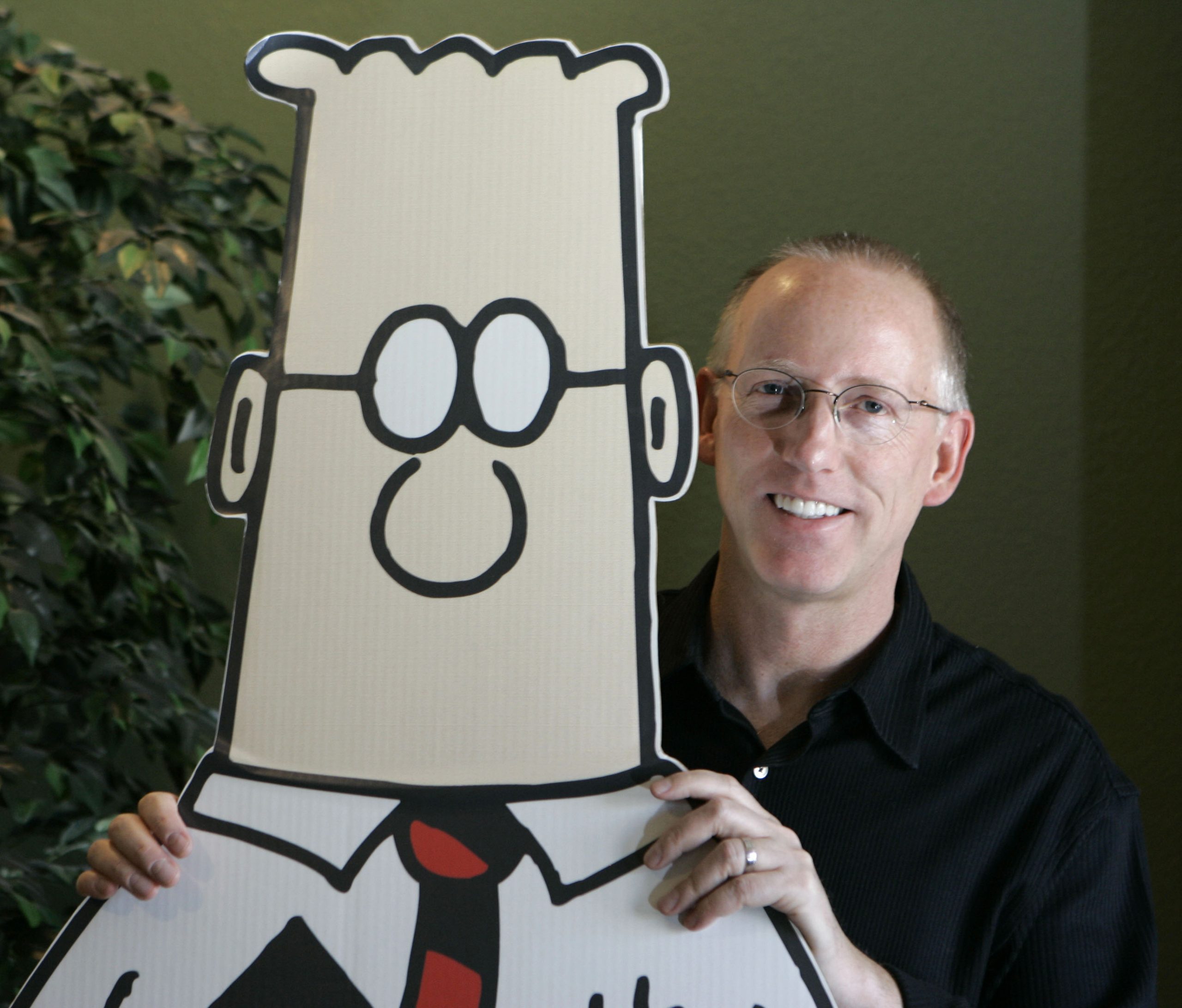
The man behind this beloved creation was Scott Adams, a writer and humorist whose unique voice and perspective made him one of the most recognizable names in his field. Born in the northeastern United States and raised with a keen interest in both language and human behavior, he came to prominence with a blend of satire and insight that stood out even in a crowded media landscape.
Adams’s rise to prominence was not immediate. Before finding fame, he worked in various office environments, experiences that would later inform much of his work and give it the authenticity that fans connected with. These early years provided him with material that felt real to his later audience — stories and situations that echoed the lives of everyday workers who saw their own struggles reflected in his humor.
Over time, he expanded his work beyond the serialized pieces that first made him known. He penned several books, some of which became bestsellers, and delved into topics ranging from organizational behavior to personal philosophy. His ability to translate complex ideas into accessible language made him a popular guest on talk shows, podcasts, and panel discussions where his wit and perspective added depth to conversations about contemporary life.
In addition to his creative output, he maintained a presence on various digital platforms, where he engaged with fans directly. His online programs and commentaries built a dedicated following, and his willingness to speak openly about his thoughts — both humorous and serious — gave him a unique position as both entertainer and commentator.
However, his later years were not without controversy. In the early 2020s, some of his public statements on political and social topics drew criticism from various quarters, and debates emerged around the lines between creative expression and the responsibilities of public figures. These moments sparked vigorous public discourse, with supporters defending his right to speak freely and detractors pointing to the impacts of certain remarks. Regardless of where individuals stood, these debates underscored his visibility and influence as a public figure whose words carried weight.
Despite controversies, many recognized that his contributions to cultural commentary and his broad reach left an indelible mark on media and entertainment. The serialized work that first brought him fame was often cited in discussions about workplace culture, leadership, and organizational psychology — a testament to how humor can illuminate serious issues in relatable ways.
In recent years, Adams shared that he was battling an aggressive form of cancer. In public statements and interviews, he spoke candidly about his diagnosis, the challenges of treatment, and his own reflections on life and mortality. In May of the previous year, he revealed that the disease had spread and that his prospects for recovery were poor. Even then, he spoke with candor, expressing appreciation for the support of his audience and a desire to continue his creative work as long as possible.
As his health declined, friends noted that he remained passionate about storytelling and engagement with his community. In one of his final messages, he shared that the support and love of his readers were among the things he treasured most, and he encouraged others to embrace creativity and kindness in their own lives.
His passing has prompted reflection on a long and varied career — one that blended humor, observation, and commentary in ways that resonated deeply with readers and audiences. From fans who discovered his work in newspapers to younger generations who encountered his writings online, he occupied a unique space in American cultural life.
In the hours after the announcement, social media was filled with memories, quotes, and stories about his influence. Fellow creators, authors, and comedians offered tributes, highlighting his ability to make millions laugh while also encouraging them to think more deeply about the world around them.
He is survived by family members, friends, and a global community of readers who found meaning, solace, and laughter in his work. While no single voice can fully capture the impact of his career, the outpouring of tributes underscores a shared recognition that his contributions mattered to many.
As news of his death spreads, conversations about his legacy — both the joyful and the complex — are sure to continue. But one thing remains clear: his work sparked connection, reflection, and dialogue, and that influence will endure.
In celebrating his life, many fans have shared that his work was more than entertainment — it was a shared experience that helped people navigate the challenges of modern life with a sense of humor. Whether in a break room, on a morning commute, or through pages of a book, his voice found its way into everyday moments that connected people across generations.

Emily Johnson is a critically acclaimed essayist and novelist known for her thought-provoking works centered on feminism, women’s rights, and modern relationships. Born and raised in Portland, Oregon, Emily grew up with a deep love of books, often spending her afternoons at her local library. She went on to study literature and gender studies at UCLA, where she became deeply involved in activism and began publishing essays in campus journals. Her debut essay collection, Voices Unbound, struck a chord with readers nationwide for its fearless exploration of gender dynamics, identity, and the challenges faced by women in contemporary society. Emily later transitioned into fiction, writing novels that balance compelling storytelling with social commentary. Her protagonists are often strong, multidimensional women navigating love, ambition, and the struggles of everyday life, making her a favorite among readers who crave authentic, relatable narratives. Critics praise her ability to merge personal intimacy with universal themes. Off the page, Emily is an advocate for women in publishing, leading workshops that encourage young female writers to embrace their voices. She lives in Seattle with her partner and two rescue cats, where she continues to write, teach, and inspire a new generation of storytellers.