



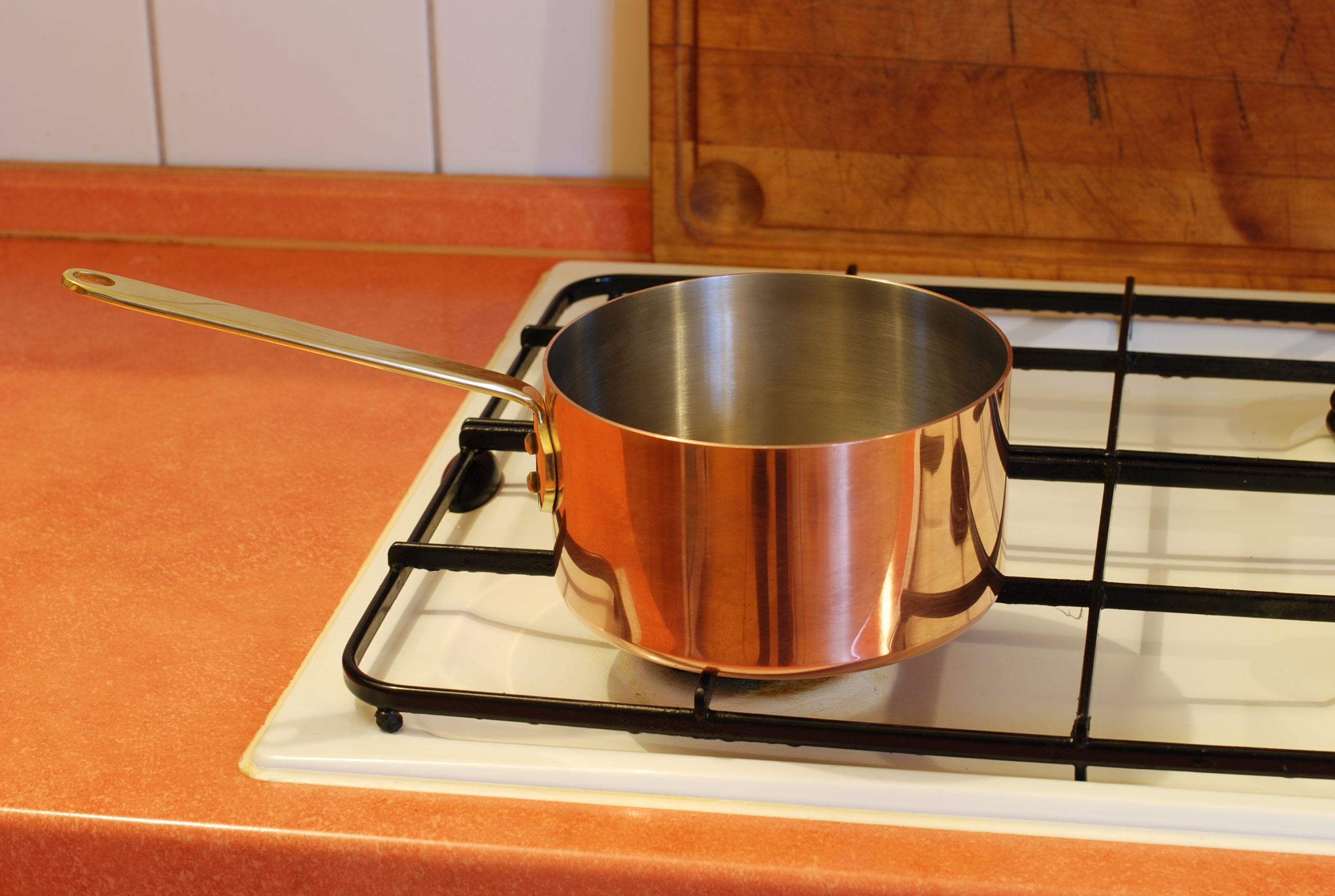
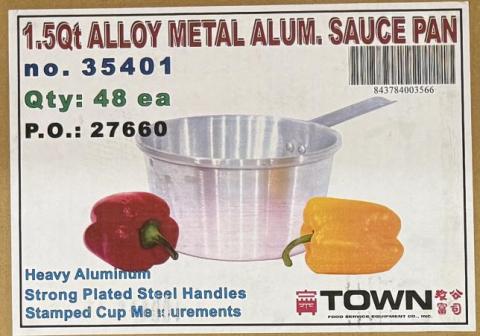
Federal health officials have issued a widespread recall of aluminum saucepans sold across much of the United States after testing revealed they may contain unsafe levels of lead, a toxic heavy metal that poses serious health risks when ingested over time.
The recall affects cookware distributed in more than 30 states, as well as parts of Canada and U.S. territories. While authorities have confirmed that no illnesses have yet been reported, they warn that lead exposure often causes harm gradually, making the danger less visible but potentially more severe in the long term.
Health agencies emphasized that there is no known safe level of lead exposure, particularly for children, pregnant women, and older adults. Because cookware is used repeatedly and comes into direct contact with food, regulators moved quickly to remove the products from circulation once contamination was identified.
How the problem was discovered
The issue came to light through a routine federal safety sampling program designed to test food-contact products for hazardous substances. During laboratory analysis, inspectors found that the aluminum saucepans released measurable amounts of lead under conditions meant to simulate everyday cooking.
This process, known as testing for leachable lead, assesses whether toxic metals can migrate from cookware into food when exposed to heat, moisture, or acidic ingredients. Officials said the results were concerning enough to warrant immediate action.
Unlike surface contamination that might be removed through cleaning, leachable lead indicates a more fundamental issue with the material itself. Over time, repeated use of such cookware can result in consistent exposure, even if each individual exposure appears small.
Where the saucepans were sold
The recalled cookware was distributed widely through kitchen supply dealers and retailers, reaching homes in over 30 U.S. states. The affected distribution area includes major population centers on both coasts, throughout the Midwest, and across the South.
Officials confirmed that the products were also sold in Puerto Rico and parts of Canada, expanding the scope of the recall beyond the continental United States.
Because the saucepans were sold through multiple channels over an extended period, regulators believe many consumers may still have them in their kitchens without realizing they are affected.
Why lead exposure is dangerous
Lead is a highly toxic metal that can cause serious health problems even at low levels of exposure. Once ingested, lead accumulates in the body, particularly in bones and organs, where it can remain for years.
Medical experts say children are especially vulnerable because their developing brains and nervous systems are more sensitive to toxic substances. Even small amounts of lead exposure in children have been linked to learning disabilities, behavioral issues, reduced IQ, and delayed development.
Adults are not immune to the effects. Long-term lead exposure in adults can cause high blood pressure, kidney damage, memory problems, joint and muscle pain, headaches, and fertility issues. Pregnant women face additional risks, as lead can cross the placenta and harm unborn babies.
According to health authorities, some babies exposed to lead before birth may be born prematurely or with low birth weight.
Why no illnesses have been reported yet
Officials stressed that the absence of reported illnesses does not mean the cookware is safe. Lead poisoning often develops slowly, and symptoms can be subtle or mistaken for other conditions.
“Lead exposure doesn’t always cause immediate symptoms,” health officials said. “That’s why prevention is critical.”
Because cookware is typically used daily, even trace amounts of lead can add up over weeks or months. Regulators say this cumulative risk is what prompted the recall rather than reports of acute illness.
Manufacturing and import concerns
The saucepans were manufactured overseas, according to federal regulators. Experts say imported cookware has been a growing concern in recent years, particularly products made with aluminum alloys that may not meet U.S. safety standards.
While lead-based paint has been banned in the United States since 1978, lead can still appear in imported consumer goods due to differences in manufacturing practices and quality control.
Food safety specialists say global supply chains make it more difficult to monitor every stage of production, increasing the importance of post-market testing and recalls when problems are identified.
A broader pattern of cookware recalls
This recall is not an isolated incident. Since October, more than 20 recalls have been issued for cookware products found to contain leachable lead, many involving items manufactured abroad.
Experts say improved testing methods are detecting problems that may have gone unnoticed in the past. While this represents progress in consumer protection, it also highlights ongoing gaps in oversight and manufacturing standards.
“We’re not necessarily seeing more contamination,” one food safety consultant explained. “We’re seeing better detection. That’s good for consumers, but it shows there’s still work to be done.”
What consumers should do now
Health officials urge anyone who owns aluminum saucepans purchased within the past two years to take the recall seriously.
Consumers should:
-
Stop using the affected saucepans immediately
-
Return them to the place of purchase for a refund if possible
-
Avoid donating or reselling the cookware
-
Thoroughly clean any surfaces that may have come into contact with the pans
Officials also recommend washing hands after handling the cookware and avoiding storing food inside the pans while awaiting a refund or disposal.
Reducing lead exposure at home
Medical professionals advise several steps to help reduce overall lead exposure, especially for households with children:
-
Wash hands frequently, especially before eating
-
Clean floors and surfaces with damp cloths rather than dry dusting
-
Use cold water for cooking and drinking, letting it run briefly if plumbing is old
-
Maintain a balanced diet with adequate calcium, iron, and vitamin C, which can reduce lead absorption
Parents who are concerned about possible exposure are encouraged to speak with a healthcare provider about blood lead testing.
Ongoing investigation and oversight
Federal regulators said they are continuing to investigate how the contamination occurred and whether additional products may be affected. Follow-up inspections and testing are expected as part of the review process.
Officials emphasized that recalls are a key part of the consumer safety system and urged the public to pay attention to safety alerts, even when no illnesses have been reported.
“Recalls like this are about prevention,” regulators said. “The goal is to remove potential hazards before people get hurt.”
A reminder for consumers
The recall serves as a reminder that everyday household items, including cookware, can pose hidden risks. Health experts encourage consumers to stay informed, register for recall alerts, and remain cautious when purchasing imported kitchen products.
While most cookware on the market is safe, officials say vigilance is essential—especially when it comes to products that come into direct contact with food.

Emily Johnson is a critically acclaimed essayist and novelist known for her thought-provoking works centered on feminism, women’s rights, and modern relationships. Born and raised in Portland, Oregon, Emily grew up with a deep love of books, often spending her afternoons at her local library. She went on to study literature and gender studies at UCLA, where she became deeply involved in activism and began publishing essays in campus journals. Her debut essay collection, Voices Unbound, struck a chord with readers nationwide for its fearless exploration of gender dynamics, identity, and the challenges faced by women in contemporary society. Emily later transitioned into fiction, writing novels that balance compelling storytelling with social commentary. Her protagonists are often strong, multidimensional women navigating love, ambition, and the struggles of everyday life, making her a favorite among readers who crave authentic, relatable narratives. Critics praise her ability to merge personal intimacy with universal themes. Off the page, Emily is an advocate for women in publishing, leading workshops that encourage young female writers to embrace their voices. She lives in Seattle with her partner and two rescue cats, where she continues to write, teach, and inspire a new generation of storytellers.