
NOTE: VIDEO at the end of the article.
A Los Angeles man is facing potential criminal charges after he allegedly used social media to expose U.S. Immigration and Customs Enforcement (ICE) agents and disrupt federal operations. Jack Quillin, reportedly the person behind the now-deleted “LAScanner” account on X (formerly Twitter), posted sensitive information about ICE agents and ongoing immigration raids, which authorities say incited violence and endangered federal personnel.
Quillin’s posts included real-time maps of ICE staging areas and active raid locations in Los Angeles, aiding rioters who violently targeted federal agents during multiple immigration enforcement operations. The chaos began on a Friday night in the city’s fashion district, when a large group, apparently mobilized through Quillin’s posts, attacked ICE agents. The agents were trapped in a federal building for over two hours before local police arrived. The violence continued into Saturday in Paramount, where rioters threw rocks at federal vehicles, injuring multiple agents and smashing windshields.
The LAScanner account escalated matters by publishing personal information about ICE personnel—names, addresses, family member details, and hotel accommodations—heightening the threat level and sparking concerns over targeted harassment and retaliation.
Quillin, who has a felony stalking conviction on record, seemed to acknowledge his role in operating the LAScanner account. Before deactivating it on Saturday night, he posted several messages expressing regret but continued sharing agent details. One of his final posts read: “I genuinely hope this doesn’t end in anybody losing their life — but it’s starting to feel like it might.”
After shutting down the account, Quillin issued a public apology. “I should not have disclosed the locations of ICE raids, and I will refrain from doing so in the future,” he wrote. He added that he had contacted authorities to take responsibility and was cooperating with the ongoing investigation. “If it is determined that I have breached the law, I will fully cooperate and surrender myself.”
Ironically, Quillin claimed he is now being doxxed himself and apologized to those he may have endangered, stating that it was never his intent to incite harm.
As the fallout continues, attention is turning toward the broader unrest in Los Angeles. Emerging reports suggest that two prominent groups may be behind the coordination and funding of these riots. One is a taxpayer-funded activist organization; the other, allegedly tied to the Chinese Communist Party, is the Coalition of Humane Immigrant Rights (CHIRLA). CHIRLA reportedly received tens of millions in government grants during the Biden administration and recently held rallies opposing ICE raids, even those targeting individuals with violent criminal records.
Authorities continue to investigate the situation as the city grapples with the implications of doxxing, digital incitement, and public safety.
PLAY:
https://www.youtube.com/watch?v=UY6qVhZHlY4&t=11s
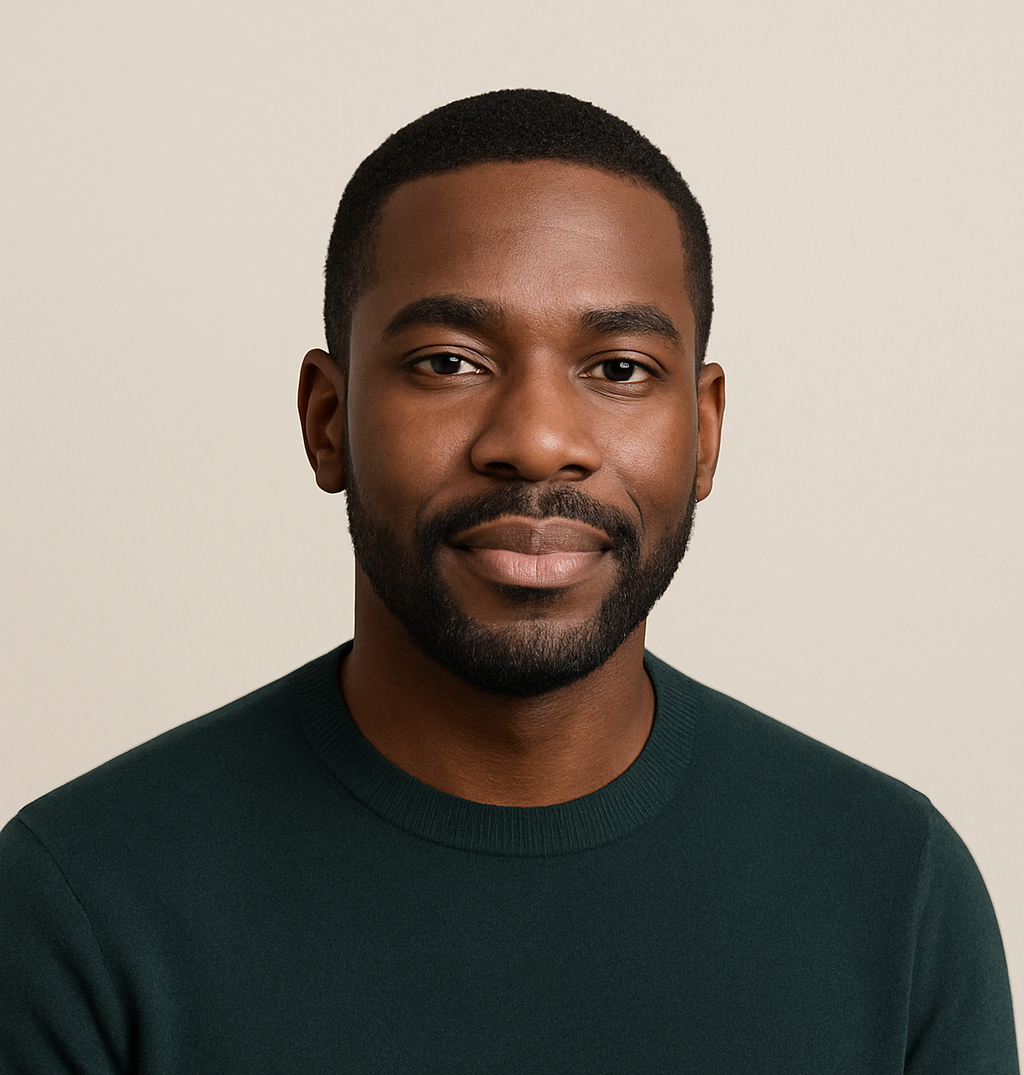
James Jenkins is a celebrated Pulitzer Prize-winning author whose work has reshaped the way readers think about social justice and human rights in America. Raised in Atlanta, Georgia, James grew up in a community that instilled in him both resilience and a strong sense of responsibility toward others. After studying political science and creative writing at Howard University, he worked as a journalist covering civil rights issues before dedicating himself fully to fiction. His novels are known for their sharp, empathetic portraits of marginalized communities and for weaving personal stories with broader political realities. Jenkins’s breakout novel, Shadows of Freedom, won national acclaim for its unflinching look at systemic inequality, while his more recent works explore themes of identity, resilience, and the fight for dignity in the face of oppression. Beyond his novels, James is an active public speaker, lecturing at universities and participating in nonprofit initiatives that support literacy and community empowerment. He believes that storytelling is a way to preserve history and inspire change. When not writing, James enjoys jazz music, mentoring young writers, and traveling with his family to explore cultures and stories around the world.