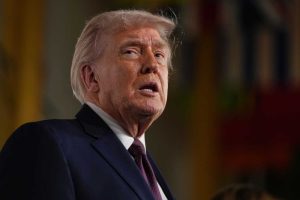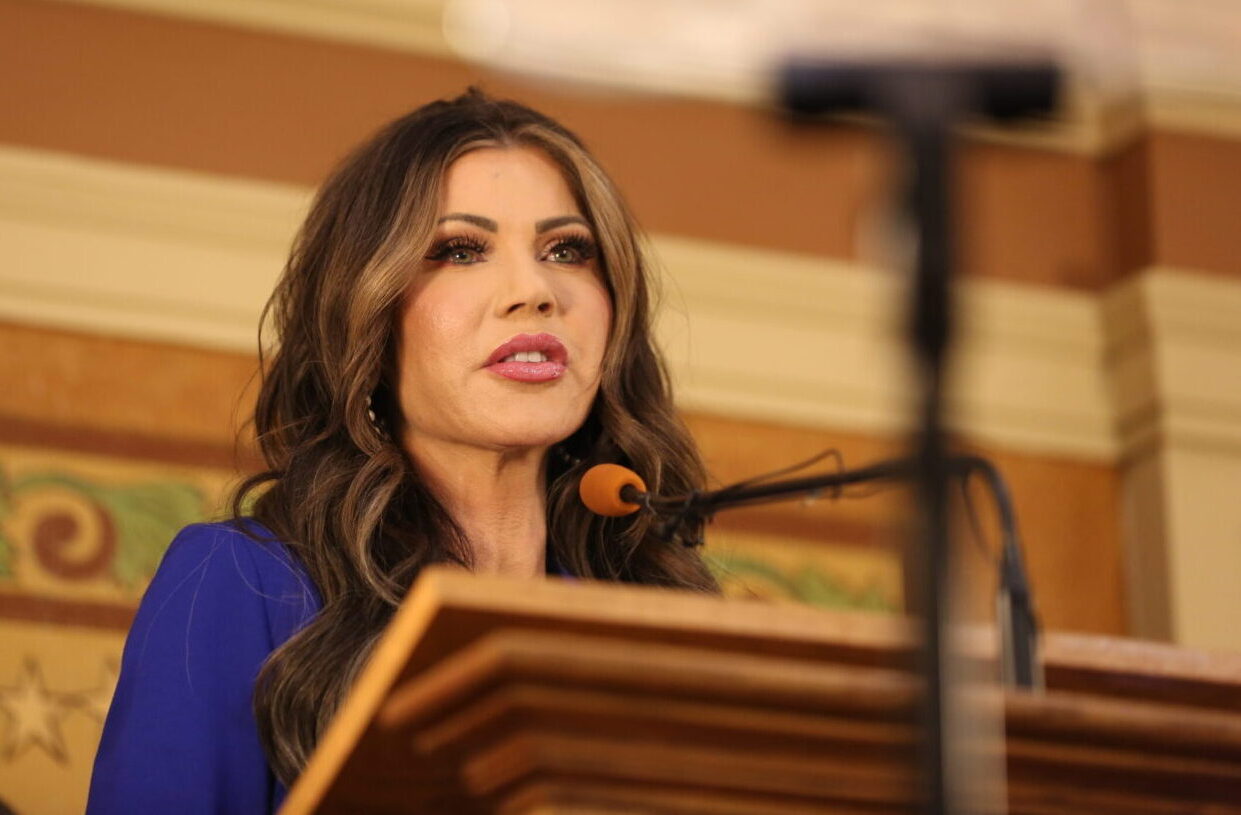
Federal immigration officers operating in Minneapolis will now be required to wear body cameras, according to an announcement from Department of Homeland Security Secretary Kristi Noem. The decision follows two fatal encounters involving federal immigration agents that have intensified public scrutiny, political pressure, and ongoing protests across the city.
In a statement posted on social media, Noem said body cameras are being deployed immediately to all Immigration and Customs Enforcement (ICE) and Customs and Border Protection (CBP) officers conducting operations in Minneapolis. She said the move came after discussions with White House border czar Tom Homan, ICE Director Todd Lyons, and CBP Commissioner Rodney Scott.
“As funding is available, the body camera program will be expanded nationwide,” Noem stated, adding that DHS intends to rapidly acquire and deploy the technology across federal law enforcement agencies. The announcement appeared aimed, in part, at addressing congressional concerns, as lawmakers have warned they may block government funding unless DHS expenditures are more tightly scrutinized.
The decision follows the deaths of two U.S. citizens during separate confrontations with federal immigration agents in Minneapolis. Both incidents occurred amid clashes between agents and demonstrators protesting federal immigration enforcement operations. Videos captured by bystanders circulated widely online, intensifying calls for accountability and transparency.
The first fatal shooting involved Renee Good, a mother and poet who was killed by an ICE agent. In a separate incident weeks later, Alex Pretti, an intensive care unit nurse and U.S. military veteran, was shot and killed during a confrontation with CBP agents in downtown Minneapolis. Both deaths occurred in public settings and were recorded from multiple angles by members of the public.
Secretary Noem has rejected responsibility for the violence, instead placing blame on Democratic leaders and local officials, whom she accused of failing to cooperate with federal immigration enforcement. However, public opinion appears divided. A recent national poll found that a majority of respondents blamed the Trump administration and DHS for escalating violence in Minnesota, while a smaller share attributed responsibility to Democratic politicians and protest groups.
The controversy intensified further after Noem publicly described Pretti as a “domestic terrorist,” a characterization that drew widespread backlash. The White House later reassigned Noem away from internal immigration enforcement duties, shifting her focus toward border security. While the administration did not formally criticize her comments, President Donald Trump did not publicly defend her characterization of Pretti.
Instead, Trump dispatched Tom Homan to Minneapolis to oversee federal operations amid growing unrest. The president later expressed general support for the use of body cameras, describing them as beneficial for law enforcement. Speaking to reporters, Trump said body cameras often protect officers by providing an objective record of events, though he emphasized that the decision to implement them was left to Noem.
Reports indicate that body camera footage exists from the incident involving Pretti, but the video has not been released publicly. DHS has not committed to sharing the footage with the public or confirming whether investigators have been given access. Lawmakers and civil rights advocates have called for the footage to be released to clarify the circumstances surrounding Pretti’s death.
According to publicly available information, Pretti was legally carrying a concealed firearm and possessed a valid permit under Minnesota law. Bystander video appears to show federal officers disarming him during a chaotic confrontation involving multiple agents. Moments later, gunfire erupted, with at least ten shots audible in recordings. Pretti was pronounced dead at the scene.
In contrast, no body camera footage has been released related to the shooting of Renee Good. However, cellphone video recorded by the agent involved was made public and has been cited by officials in defense of the officer’s actions. That incident has received broader administrative backing compared to the Pretti case, where questions surrounding the use of force remain unresolved.
Meanwhile, protests in Minneapolis have continued, with thousands taking to the streets to oppose federal immigration enforcement and demand accountability for the two deaths. Demonstrations have occasionally escalated into violent clashes between protesters and federal agents, further fueling tensions between local communities and the federal government.
The rollout of body cameras in Minneapolis represents one of the most significant changes to federal immigration enforcement practices in the city to date. Supporters argue the technology could deter excessive use of force and provide transparency, while critics question whether footage will be released in cases where it matters most.
As investigations continue, the Minneapolis cases have become a flashpoint in the broader national debate over immigration enforcement, law enforcement accountability, and the use of federal force in American cities. Whether the expansion of body cameras will restore public trust remains uncertain, but the move signals mounting pressure on DHS to justify its actions under unprecedented public and political scrutiny.

Emily Johnson is a critically acclaimed essayist and novelist known for her thought-provoking works centered on feminism, women’s rights, and modern relationships. Born and raised in Portland, Oregon, Emily grew up with a deep love of books, often spending her afternoons at her local library. She went on to study literature and gender studies at UCLA, where she became deeply involved in activism and began publishing essays in campus journals. Her debut essay collection, Voices Unbound, struck a chord with readers nationwide for its fearless exploration of gender dynamics, identity, and the challenges faced by women in contemporary society. Emily later transitioned into fiction, writing novels that balance compelling storytelling with social commentary. Her protagonists are often strong, multidimensional women navigating love, ambition, and the struggles of everyday life, making her a favorite among readers who crave authentic, relatable narratives. Critics praise her ability to merge personal intimacy with universal themes. Off the page, Emily is an advocate for women in publishing, leading workshops that encourage young female writers to embrace their voices. She lives in Seattle with her partner and two rescue cats, where she continues to write, teach, and inspire a new generation of storytellers.