For more than half a century, one of Washington, D.C.’s most prominent cultural institutions has stood as both a living memorial and a symbol of artistic excellence. Closely associated with a fallen president and the ideals he represented, the institution has long occupied a unique space where culture, history, and national identity intersect.
That legacy was thrust into the spotlight this week after an announcement triggered swift and emotional reactions—not from political rivals, but from members of the very family whose name the landmark bears. What followed was a public dispute that raised questions not only about governance and authority, but also about memory, symbolism, and who gets to define the meaning of national monuments.
Within hours, social media became the primary battleground.
A Landmark With Deep Symbolism
Located along the Potomac River, the performing arts center has for decades served as a hub for music, theater, dance, and national celebration. It was created to honor a president assassinated in 1963 and to reflect his belief that the arts are essential to democracy and civic life.
From state dinners to globally televised performances, the center has maintained an image as a bipartisan space—one intended to transcend politics rather than reflect it. That status has helped preserve its reputation across changing administrations and shifting cultural tides.
Because of that history, any perceived alteration to the institution’s identity carries weight far beyond architecture or branding.
The Announcement That Sparked a Backlash
The controversy erupted following a public statement from the White House, which described a major decision by the institution’s governing board. According to the announcement, the board had voted unanimously on December 18 in favor of a change that leadership described as recognition of recent efforts to stabilize, renovate, and financially rescue the center.
The statement praised the work of current leadership and framed the move as a positive step toward long-term success, prestige, and renewal.
But almost immediately, members of the Kennedy family challenged both the substance and legitimacy of the decision.
Family Members Respond Publicly
Among the first to speak out was Joe Kennedy III, a former Democratic congressman and grandson of Robert F. Kennedy. Responding directly to the White House announcement, he questioned whether the decision was legally permissible at all.
In a sharply worded post, Kennedy argued that the center is not simply a building but a federally designated memorial, named by law after President John F. Kennedy. He compared the situation to attempting to rename the Lincoln Memorial, asserting that such an action cannot be carried out by board vote alone.
His response quickly gained traction online, drawing support from legal commentators and critics who echoed concerns about precedent and authority.
https://twitter.com/joekennedy/status/2001735896228302982
A Broader Moral Objection
Other members of the Kennedy family went further, framing their opposition not just in legal terms but moral ones.
Kerry Kennedy, the daughter of Robert F. Kennedy and president of the Robert & Ethel Kennedy Human Rights Center, criticized what she described as a contradiction between the values historically associated with the institution and the record of the current administration.
In a public statement, she accused the administration of suppressing artistic expression and targeting creatives, journalists, and comedians—groups she argued are central to the mission of a national arts center.
She contrasted those actions with what she described as President Kennedy’s lifelong commitment to justice, diversity, compassion, and free expression, arguing that the two legacies should not be conflated.
Disbelief From Within the Family
Maria Shriver, a prominent journalist and the daughter of Eunice Kennedy Shriver, also weighed in. She described her reaction as one of disbelief, signaling that opposition to the decision extended across multiple branches of the family.
Taken together, the statements painted a picture of a family united not by partisan loyalty, but by a shared belief that the institution’s identity should remain anchored exclusively to its original purpose and namesake.
Only after this wave of reaction did the full scope of the decision become clear.
What the Decision Actually Was
At the center of the dispute is the board’s vote to rename the John F. Kennedy Center for the Performing Arts to the Donald J. Trump and John F. Kennedy Memorial Center for the Performing Arts, commonly referred to as the Trump-Kennedy Center.
According to the White House, the unanimous vote was intended to acknowledge President Donald Trump’s role in overseeing major renovations, securing funding, and restoring the center’s financial stability after years of deterioration.
Supporters of the move argue that the revised name preserves Kennedy’s legacy while recognizing contemporary leadership that, in their view, prevented the building from falling into disrepair.
Trump Responds to the Controversy
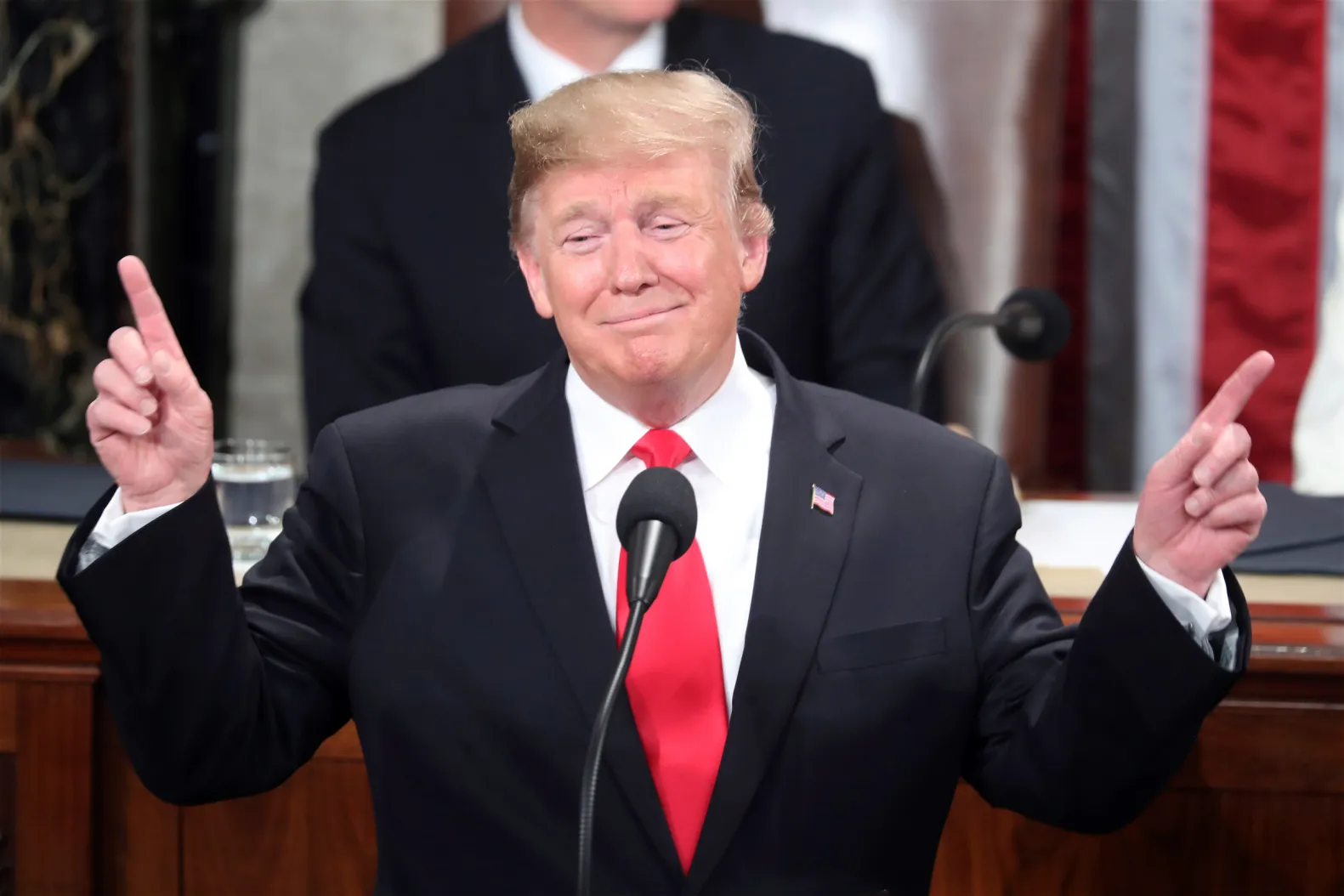
President Trump addressed the issue briefly when speaking to reporters, saying he was “surprised and honored” by the decision. He praised the board members—many of whom he personally appointed earlier in the year—describing them as distinguished and highly accomplished.
Trump reiterated claims that the building had been in severe physical and financial condition prior to intervention, stating that it is now “very solid, very strong.”
He did not directly respond to the Kennedy family’s objections but emphasized that the decision came from the board rather than from him.
Legal and Cultural Questions Remain
Despite the board’s unanimous vote, questions remain about whether the name change can withstand legal scrutiny. The center was designated by Congress as a memorial to President Kennedy, and critics argue that any alteration would require legislative approval.
Beyond legality, the controversy has reopened a broader debate about whether national cultural institutions should reflect contemporary political leadership at all—or whether their role is to serve as neutral stewards of shared heritage.
For supporters of the change, the issue is practical: preserving and funding a landmark. For critics, it is existential: protecting the symbolic integrity of a memorial tied to a specific historical moment.
A Symbol Larger Than a Name
What has become clear is that the dispute is not merely about signage or branding. It is about how Americans remember their past, how institutions evolve, and whether cultural spaces can remain above political conflict in an era when almost nothing else does.
For the Kennedy family, the answer appears firm. Their objections suggest that, in their view, the center’s identity is inseparable from the man it was created to honor—and that any attempt to broaden that identity risks diluting its meaning.
As the debate continues, the fate of the name may ultimately be decided not just by boards or courts, but by public consensus—shaped by history, memory, and the enduring power of symbols.