

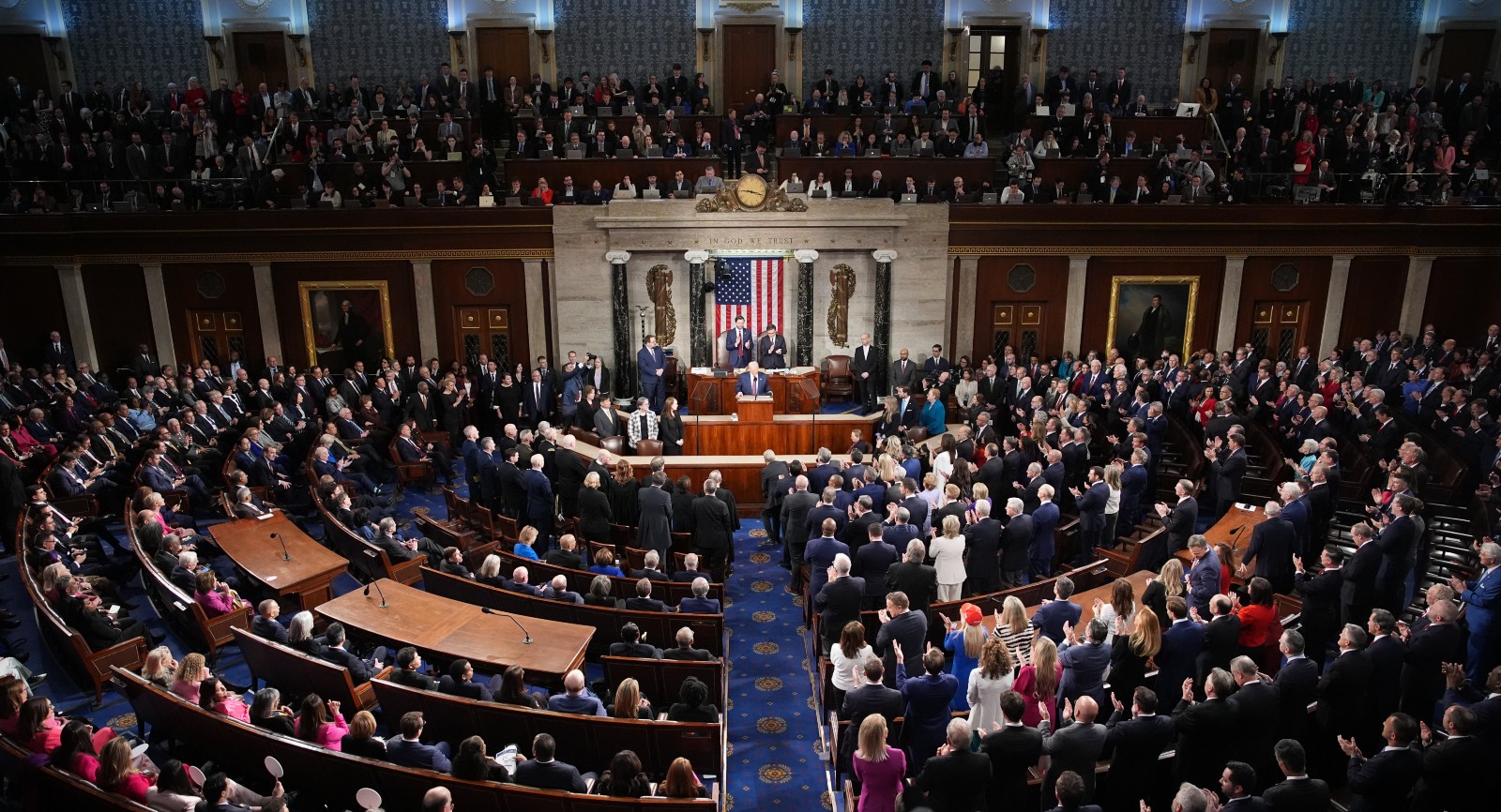
In a significant moment on the floor of the U.S. House of Representatives, lawmakers came together this week to pass a piece of legislation that has been the focus of months of deliberations behind closed doors and in committee rooms. The vote drew broad support from both sides of the aisle, setting in motion the next chapter of one of the federal government’s most consequential responsibilities.
The chamber was orderly but purposeful as representatives gathered to put their names on the record, signaling a rare moment of relative agreement in an era often marked by partisan gridlock. Although the specifics of the legislation were not immediately clear to many observers outside of Washington, the debate surrounding it and the statements from lawmakers give a window into its potential national impact.
For weeks, leaders on Capitol Hill have emphasized the importance of advancing the bill before legislative deadlines loom. In recent fiscal cycles, lawmakers have been under pressure to address funding uncertainties that risk disrupting government operations and public services. While rival political narratives have clouded some debates, this week’s vote represented a tangible step toward addressing those broader concerns.
Members of Congress from both parties used their time on the floor to explain their reasoning, with some signaling that the vote was as much about preventing instability as advancing specific priorities. Observers noted that the rhetoric around the legislation often focused on stewardship, prudence, and the avoidance of harmful outcomes that could affect millions of Americans.
Still, some representatives expressed unease about parts of the bill that they believed did not go far enough to address deeper issues. Others, however, saw the measure as a necessary compromise — the kind of practical legislation that can actually secure enough support to become law.
Legislative Background
In the U.S. federal system, certain types of legislation must move methodically through committees, floor debate, and amendments before reaching a vote. This bill was no exception. Its roots trace back to the annual appropriations process, which requires Congress to adopt a series of spending measures to fund government functions for the coming fiscal year.
Appropriations work is often described as the “power of the purse,” reflecting how the legislative branch holds constitutional authority to decide how federal funds are allocated. Over the past several months, lawmakers in the House Appropriations Committee — a powerful body responsible for deciding how taxpayer dollars are spent — have worked to draft, negotiate, and refine this bill.
Republican and Democratic appropriators held numerous hearings, engaged in subcommittee markups, and negotiated with their Senate counterparts in hopes of achieving a bipartisan agreement. Members on both sides acknowledged that the clock was ticking: the government’s funding deadline was fast approaching, and failure to pass needed bills could lead to a lapse in funding that would disrupt federal services.
Behind the scenes, negotiators also had to reconcile competing priorities — from national security programs to domestic agencies, from scientific research to energy and environmental projects. This process involved balancing demands for fiscal restraint with pressure from constituencies and interest groups representing various sectors.
In conference reports released just days before the vote, lawmakers highlighted the inclusion of language intended to address both long-standing issues and emerging challenges facing the country. It was clear to many observers that consensus had not come easily, and that months of compromise were baked into the final product.
Tallies and Floor Debate
When the roll was called on the House floor, the results reflected a broad coalition backing the measure. A substantial majority of legislators put their names in support, underscoring the urgency felt by many to move forward.
Lawmakers spoke passionately about different aspects of the bill. Supporters emphasized the practical need to prevent disruptions to government services, ensuring that essential functions — from public safety to regulatory oversight — could continue uninterrupted. They highlighted the role that appropriations bills play in providing stability and predictability for both federal agencies and the American people.
Still, some dissenting voices raised concerns about specific provisions, cautioning that certain priorities may have been shortchanged or that the legislation did not do enough to rein in spending in key areas. These criticisms were largely overshadowed by those advocating for action, with proponents insisting that incremental progress was preferable to stalemate.
Statements from caucus leaders suggested that the bill reflected both ideological negotiation and political pragmatism. For example, representatives talked about efforts to balance funding levels with fiscal responsibility, particularly in areas of national concern such as border security and core security interests.
No matter the varied approaches, the focus on compromise was front and center. Floor speeches, press releases, and committee reports all painted a picture of legislators grappling with nuance while trying to achieve a practical outcome.
Reveal: What the Major Bill Actually Is
Midway through the debate, it became clear what this Major Bill was: the House passed one of the key Fiscal Year 2026 appropriations packages — a substantial funding measure that covers several federal departments and programs as part of the government’s annual budgeting process.
More specifically, the legislation encompasses two annual spending bills that fund critical areas of the federal government for the next fiscal year, including oversight of key national functions and general government operations.
Appropriations bills like this are essential because they determine the levels at which government agencies operate, and they directly impact how public services are delivered. When appropriations are not passed in time, parts of the federal government can face shutdowns or temporary funding gaps, disrupting activities ranging from scientific research to justice programs.
The bills included in this package were the Financial Services and General Government Appropriations Act and the National Security, Department of State, and Related Programs Appropriations Act for fiscal year 2026.
Together, these pieces set funding levels and direction for a broad swath of federal functions. They shape how agencies manage their budgets, how programs are executed, and to what extent priorities from both parties are funded or adjusted.
What the Legislation Funds
Although dollar amounts and detailed line items will vary across departments and agencies, this appropriations package covers key areas of the federal government’s operations, including:
Domestic and administrative functions: The Financial Services and General Government portion allocates funds for federal agencies that perform general services, including oversight bodies, regulatory offices, and administrative agencies that help facilitate governance across the executive branch.
This part of the bill typically includes:
-
Funding for the Internal Revenue Service and tax administration functions
-
Oversight bodies such as the Government Accountability Office
-
Federal judiciary support and other general government operations
Appropriators also used this vehicle to direct resources to modernizing technology systems, enhancing cybersecurity for government networks, and tackling financial crimes through targeted funding.
National security and foreign affairs: The National Security and Department of State portion of the package funds programs that relate to U.S. national security interests and diplomatic activities abroad.
This includes:
-
Support for defense-related programs administered outside the Department of Defense
-
Funding for the Department of State and foreign assistance accounts
-
Resources for U.S. diplomatic missions around the world
-
Specialized initiatives targeting illicit threats such as narcotics trafficking
Lawmakers noted that this section also contains measures focused on countering emerging threats, ensuring that resources are directed to where they believe they are most needed to protect American interests, both domestically and internationally.
Broader Context: Funding Deadline and Government Operations
This vote did not occur in isolation. Congress has been under pressure to complete all 12 annual appropriations bills for fiscal year 2026 before a looming deadline later this month. If lawmakers fail to finish the process, parts of the government could face funding interruptions, a scenario that would trigger operational uncertainty across numerous federal agencies.
Appropriators have already advanced several individual bills, and this latest vote marked a continuation of that work. Over recent weeks, both Republicans and Democrats have stressed that compromise is essential if Congress hopes to avert funding stalemates like the record shutdown experienced last year.
With this passage, the House took another step toward full appropriations, though several key bills still require action in both chambers. Negotiations with the Senate — which has its own version of the spending measures — will be necessary before final funding can be signed into law by the president.
Reactions From Capitol Hill
Reactions to the bill’s passage were mixed but generally expressed relief that the House accomplished a major procedural milestone:
-
Supporters hailed it as a responsible effort to keep the government functioning and to fund vital services. They pointed to the bipartisan nature of the vote as evidence that lawmakers can still collaborate when stakes are high.
-
Critics said the bill did not go far enough in reigning in spending or prioritizing certain policy goals, and suggested that further amendments should be considered in negotiations with the Senate.
Party leaders from both chambers acknowledged the hard work that went into drafting the bill and underscored the urgency of completing the appropriations cycle on time.
What’s Next
Now that the House has passed this substantial appropriations package, attention will turn to the Senate. Lawmakers on the other side of Capitol Hill are expected to review the House version, debate changes, and vote on their own bills. Both chambers will need to reconcile differences before the final government funding plan is finalized.
The Senate’s schedule — including potential adjustments or additional negotiations — will shape how quickly this legislation can become law. With funding deadlines approaching, congressional leaders have indicated that they are prepared to work through remaining issues to avoid another federal funding crisis.
For now, the House’s action represents a significant effort to address government financing responsibly and to uphold congressional obligations under the Constitution.

Emily Johnson is a critically acclaimed essayist and novelist known for her thought-provoking works centered on feminism, women’s rights, and modern relationships. Born and raised in Portland, Oregon, Emily grew up with a deep love of books, often spending her afternoons at her local library. She went on to study literature and gender studies at UCLA, where she became deeply involved in activism and began publishing essays in campus journals. Her debut essay collection, Voices Unbound, struck a chord with readers nationwide for its fearless exploration of gender dynamics, identity, and the challenges faced by women in contemporary society. Emily later transitioned into fiction, writing novels that balance compelling storytelling with social commentary. Her protagonists are often strong, multidimensional women navigating love, ambition, and the struggles of everyday life, making her a favorite among readers who crave authentic, relatable narratives. Critics praise her ability to merge personal intimacy with universal themes. Off the page, Emily is an advocate for women in publishing, leading workshops that encourage young female writers to embrace their voices. She lives in Seattle with her partner and two rescue cats, where she continues to write, teach, and inspire a new generation of storytellers.