For more than a decade, heavyweight boxing in Britain has revolved around one towering figure. From sold-out stadiums to late-night pay-per-view events watched by millions around the world, his presence defined an era of renewed mainstream interest in the sport. Now, according to multiple confirmations from within boxing circles, that era is coming to a close.
One of the most recognizable heavyweights of the modern generation has decided to retire from professional boxing, drawing the curtain on a career that reshaped the British fight game, elevated global interest in the heavyweight division, and produced some of the most memorable bouts of the 21st century.
The decision, insiders say, follows months of reflection, physical wear, and conversations with family and close advisers. While there had been speculation about one final run or a farewell fight, those close to the former champion suggest the choice was made with long-term health and legacy in mind rather than unfinished business.
A Career Forged in Pressure
From the outset, the fighter in question carried expectations few athletes ever face. British boxing, long searching for a heavyweight standard-bearer, found itself rallying behind a figure who combined Olympic pedigree, physical dominance, and commercial appeal. Each fight became an event. Each victory added to the sense that the heavyweight crown had found a new home.
But with that spotlight came immense pressure. Unlike many fighters who gradually build their careers out of public view, this heavyweight was thrust into the mainstream early. Every performance was dissected, every setback magnified, and every comeback scrutinized.
Over time, the toll of that pressure—mental as much as physical—became harder to ignore.
Triumphs That Defined a Generation
The fighter’s résumé reads like a history of modern heavyweight boxing. World title victories, unification bouts, dramatic knockouts, and high-profile losses that fueled debate rather than diminished reputation. He became a fixture at Wembley Stadium, turning boxing nights into cultural moments that extended far beyond the sport itself.
At his peak, he held multiple world titles simultaneously and was widely viewed as the face of heavyweight boxing. His combination of size, power, athleticism, and discipline set a new benchmark for the division, particularly in the UK.
Young fighters cited him as their inspiration. Promoters built cards around his name. Broadcasters treated his bouts as tent-pole events.
The Costs of the Spotlight
Yet behind the success, the grind was relentless. Training camps grew longer. Injuries accumulated. Losses—while part of any fighter’s journey—became heavier under the weight of public expectation.
In recent years, the fighter spoke openly about the mental challenges of elite boxing: the isolation of training camps, the emotional swings between victory and defeat, and the difficulty of maintaining motivation after achieving nearly everything the sport could offer.
Observers noted a shift. The fire was still there, but it burned differently—less about proving dominance, more about searching for meaning beyond titles and rankings.
The Name Behind the Legacy
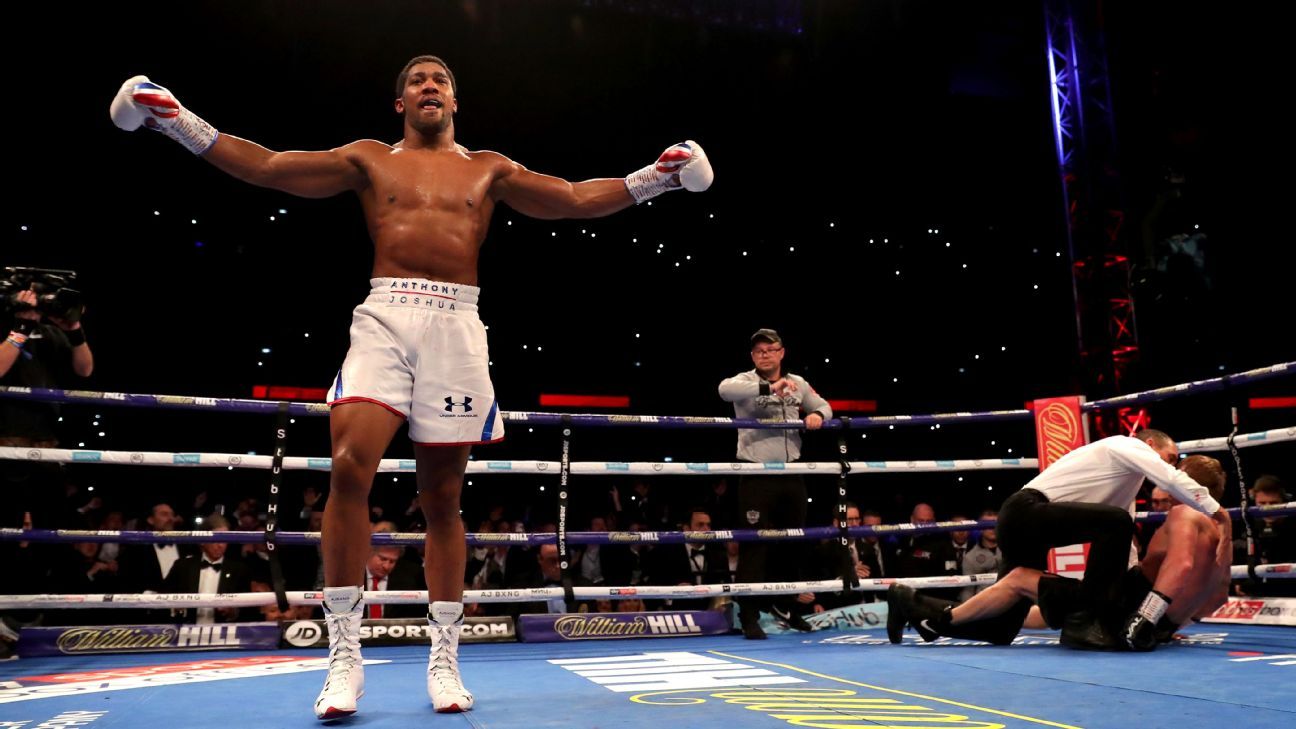
It is Anthony Joshua who has now chosen to step away from the ring.
The former unified heavyweight champion, Olympic gold medalist, and global boxing icon has decided to retire, ending a professional career that spanned more than a decade at the sport’s highest level.
Joshua’s retirement marks one of the most significant moments in modern boxing. Few fighters have carried the sport on their shoulders the way he did, particularly during a period when heavyweight boxing reasserted itself as boxing’s marquee division.


Redefining British Heavyweight Boxing
Joshua’s impact extends far beyond wins and losses. He helped transform British boxing into a global commercial force. Stadium fights became routine. Heavyweights once again captured mainstream attention. Sponsors, broadcasters, and casual fans returned in numbers not seen since earlier golden eras.
His Olympic success laid the foundation, but it was his rapid rise through the professional ranks that solidified his status. Title fights came quickly, and with them came global scrutiny. Joshua met that moment head-on, embracing responsibility as much as opportunity.
He became a role model for discipline and professionalism, often emphasizing preparation, respect for opponents, and the importance of mental strength.
A Career of Highs and Hard Lessons
Joshua’s journey was not without setbacks. Losses to elite rivals forced reinvention. Tactical adjustments, coaching changes, and public criticism tested his resilience. Yet those moments also humanized him, revealing a fighter willing to confront adversity rather than avoid it.
Many within the sport argue that Joshua’s willingness to face the toughest opposition—rather than protect an undefeated record—cemented his credibility. He fought champions, contenders, and stylistic nightmares alike, often under immense pressure.
Even in defeat, he remained a central figure in heavyweight boxing’s narrative.
Why Now?
Those close to Joshua say the decision to retire was not sudden. Years of physical punishment, combined with an evolving perspective on life beyond boxing, played a role. The heavyweight division remains stacked with talent, but the motivation to climb back to the summit had waned.
Boxing, unlike many sports, offers no gentle exit. Fighters leave when their bodies or minds tell them it is time. In Joshua’s case, the choice appears driven by clarity rather than decline.
“He’s achieved what most fighters only dream of,” one insider said. “At some point, you stop chasing belts and start protecting your future.”
Life After the Ring
Joshua’s post-boxing future is likely to be as high-profile as his fighting career. Business ventures, media appearances, philanthropy, and potential involvement in boxing development have all been discussed. His marketability remains enormous, and his voice carries weight both within and outside the sport.
There has also been speculation about mentoring younger fighters, promoting events, or even taking on an ambassadorial role for British boxing. Whatever path he chooses, his influence is unlikely to fade.
The Division Moves On
Joshua’s retirement leaves a vacuum. Heavyweight boxing continues, but without one of its defining figures. New champions will rise, rivalries will form, and fans will debate the next era—but comparisons to Joshua’s impact will be inevitable.
For British boxing, his departure marks the end of a chapter that brought unprecedented attention and legitimacy to the sport on home soil.
A Legacy Secured
Anthony Joshua retires not as a fighter who faded away, but as one who chose his moment. His career stands as a testament to what modern boxing can be at its best: disciplined, dramatic, and globally resonant.
In stepping away, he leaves behind more than titles. He leaves an era—and a standard few will ever match.

Emily Johnson is a critically acclaimed essayist and novelist known for her thought-provoking works centered on feminism, women’s rights, and modern relationships. Born and raised in Portland, Oregon, Emily grew up with a deep love of books, often spending her afternoons at her local library. She went on to study literature and gender studies at UCLA, where she became deeply involved in activism and began publishing essays in campus journals. Her debut essay collection, Voices Unbound, struck a chord with readers nationwide for its fearless exploration of gender dynamics, identity, and the challenges faced by women in contemporary society. Emily later transitioned into fiction, writing novels that balance compelling storytelling with social commentary. Her protagonists are often strong, multidimensional women navigating love, ambition, and the struggles of everyday life, making her a favorite among readers who crave authentic, relatable narratives. Critics praise her ability to merge personal intimacy with universal themes. Off the page, Emily is an advocate for women in publishing, leading workshops that encourage young female writers to embrace their voices. She lives in Seattle with her partner and two rescue cats, where she continues to write, teach, and inspire a new generation of storytellers.