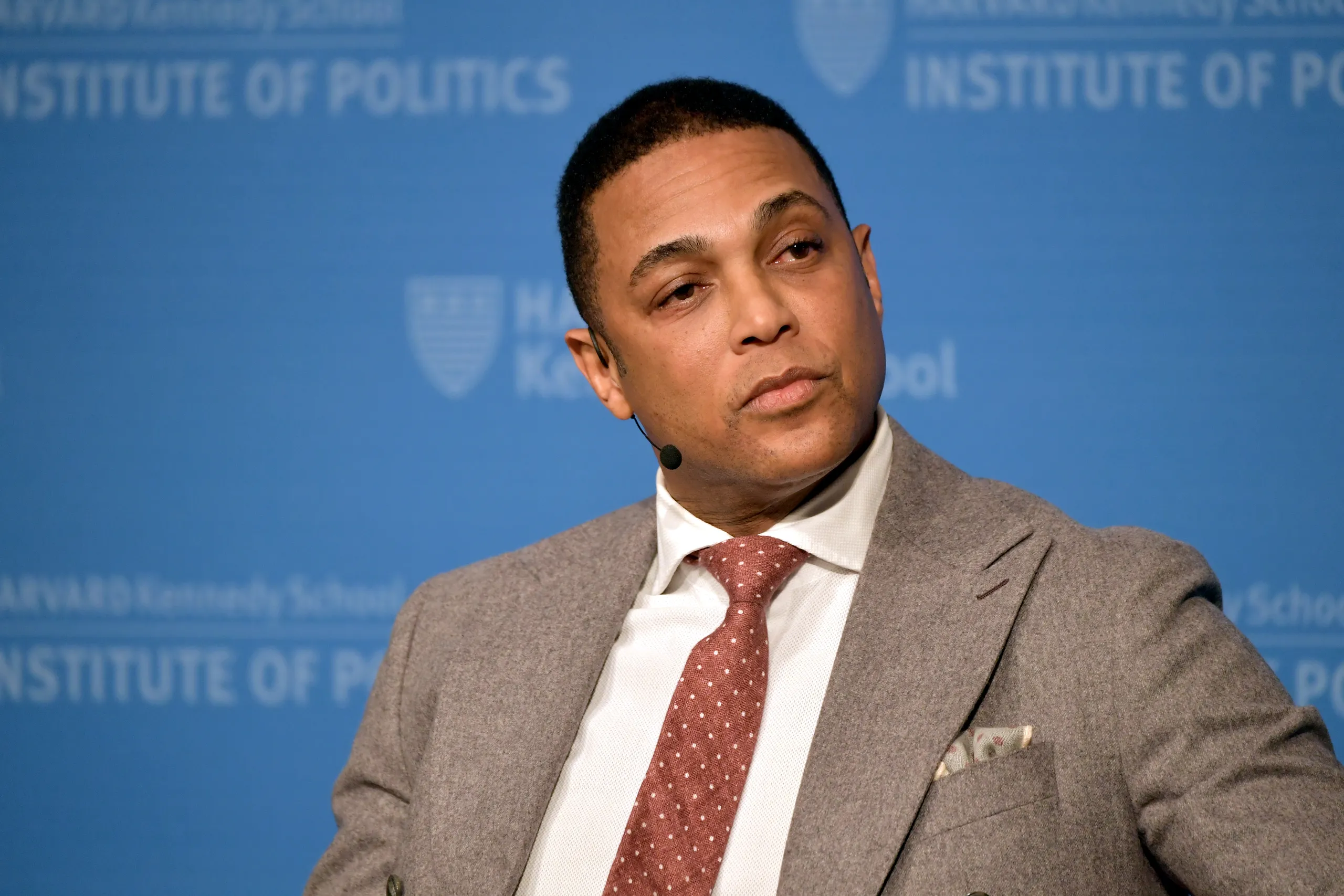
Former CNN anchor Don Lemon has been placed “on notice” by the U.S. Department of Justice following his involvement in covering a protest that stormed a church in St. Paul, Minnesota. Lemon, who has been an independent journalist since his departure from CNN in 2023, documented a series of anti-ICE demonstrations in the wake of the fatal shooting of Renee Nicole Good by Immigration and Customs Enforcement (ICE) agents. During one of these protests, Lemon entered the Cities Church alongside demonstrators and began filming the event, explaining to his audience that the First Amendment protects the right to protest.
However, the Justice Department has taken issue with Lemon’s presence at the church during the protest. Harmeet Dhillon, the department’s assistant attorney general for civil rights, argued that Lemon’s role as a journalist does not grant immunity from potential legal consequences. “A house of worship is not a public forum for your protest! It is a space protected from exactly such acts by federal criminal and civil laws! Nor does the First Amendment protect your pseudo journalism of disrupting a prayer service. You are on notice,” Dhillon wrote on social media. She also indicated that she is coordinating with Attorney General Pamela Bondi regarding the situation.
During an interview on the “Benny Johnson Show,” Dhillon clarified the DOJ’s position, emphasizing that Lemon’s presumption of innocence does not automatically shield him from investigation. “Don Lemon himself has come out and said he knew exactly what was going to happen inside that facility. He went into the facility, and then he began ‘committing journalism,’ as if that’s sort of a shield from being a part, an embedded part of a criminal conspiracy. It isn’t,” she said. Dhillon further warned that the DOJ is reviewing the events thoroughly and that all participants in the protest, including journalists present, will be held accountable under the law if any violations are confirmed.
Dhillon framed the situation as a serious test of federal authority and warned protesters nationwide that illegal disruptions in places of worship would not be tolerated. “Come next Sunday, nobody should think in the United States that they’re going to be able to get away with this,” she said. “Everyone in the protest community needs to know that the fullest force of the federal government is going to come down and prevent this from happening and put people away for a long, long time.”
Lemon, speaking to Fox News Digital, defended his actions and rejected accusations that he participated in any illegal activity. He stated that he was performing the duties of a journalist by covering the protest as it unfolded and providing context for viewers. “It’s notable that I’ve been cast as the face of a protest I was covering as a journalist—especially since I wasn’t the only reporter there. That framing is telling,” Lemon said. He added that he has faced threats and harassment online from individuals opposed to his reporting, including violent, homophobic, and racist attacks amplified by segments of the right-wing media.
Lemon emphasized that the focus should remain on the underlying issue that triggered the protests: the death of Renee Nicole Good. “If this much time and energy is going to be spent manufacturing outrage, it would be far better used investigating the tragic death of Renee Nicole Good—the very issue that brought people into the streets in the first place,” he said. “I stand by my reporting.”
The controversy escalated after Dhillon referenced the federal Freedom of Access to Clinic Entrances (FACE) Act, which protects places of worship from force, threats, and obstruction that interfere with individuals exercising their First Amendment rights. Under the FACE Act, it is a federal crime to use or threaten force to intimidate or impede lawful exercise of religious freedom at a place of worship, with potential fines and jail time. Dhillon suggested that the DOJ is investigating whether Lemon’s presence during the church protest could constitute complicity in a violation of federal law.
Lemon has publicly stated that he did not plan or participate in organizing the protest and that he arrived at the church strictly to report on events as they occurred. “So, I have no affiliation to that organization. I didn’t even know they were going to this church until we followed them there,” he explained. “Once the protest started in the church, we did an act of journalism, which was to report on it and talk to the people involved, including a pastor, members of the church, and members of the organization. That’s it. It’s called journalism. First Amendment, all that stuff, for all of you people who believe in the First Amendment, absolutists, there you go.”
During the coverage, Lemon conducted interviews with church leaders and attendees to capture the perspectives of those affected by the protest. According to an image posted on the church’s website, Lemon spoke directly with Cities Church lead pastor Jonathan Parnell, who described the disruption as unacceptable and shameful. “This is unacceptable, it’s shameful. It’s shameful to interrupt a public gathering of Christians in worship. I have to take care of my flock,” Parnell said. Lemon responded by emphasizing the constitutional rights to freedom of speech and assembly.
The pastor clarified that worshippers had attempted to continue their service despite the protest, but that church leaders were unable to communicate with the demonstrators. Eventually, the pastor asked Lemon and other reporters to leave the premises, underscoring the sensitive balance between reporting events and respecting sacred spaces. Cities Church did not immediately respond to requests for comment from Fox News Digital regarding the ongoing DOJ inquiry.
Legal experts note that Lemon’s case, while unusual, illustrates the complexities of reporting on civil unrest that occurs in sensitive locations. While journalists are generally afforded protections under the First Amendment, those protections do not extend to criminal activity or obstruction of protected spaces. The DOJ’s review will likely focus on whether Lemon’s presence and actions contributed to any violations of the FACE Act or other federal statutes.
The incident also raises broader questions about media coverage during volatile protests. Lemon has maintained that his reporting aimed to inform the public about events in real time, documenting civil unrest following a highly charged incident that resulted in the death of Renee Nicole Good. Yet the DOJ’s “on notice” declaration signals that journalists operating in such environments may face scrutiny if their actions are perceived to blur the line between reporting and participation.
Since leaving CNN, Lemon has cultivated an independent platform, covering high-profile protests and civil rights demonstrations across the United States. While this independent status allows him greater editorial freedom, it also places him under heightened public and governmental scrutiny, particularly in situations involving potential legal violations. Lemon’s experience demonstrates the evolving challenges faced by journalists operating at the intersection of activism, civil disobedience, and legal accountability.
As the investigation continues, Lemon has reiterated his commitment to responsible reporting. He has called on both critics and supporters to focus on the substantive issues driving protests rather than on manufactured outrage directed at media coverage. Lemon’s stance highlights ongoing debates about the role of journalists in documenting civil unrest, the limits of constitutional protections, and the responsibilities of media figures covering highly charged political events.
The DOJ’s inquiry into Lemon’s role at the Cities Church protest will likely serve as a high-profile test case for the balance between press freedom and federal enforcement of laws protecting places of worship. While Lemon maintains that his reporting was lawful and constitutionally protected, federal authorities appear determined to clarify the limits of protest coverage in sensitive and legally protected spaces.
For now, Lemon remains under investigation, facing scrutiny from the Department of Justice even as he continues to report on ongoing demonstrations. The situation underscores the heightened tensions in Minnesota following the ICE-related shooting and reflects broader national debates over the rights of protesters, the responsibilities of journalists, and the enforcement of federal protections for religious institutions.

Emily Johnson is a critically acclaimed essayist and novelist known for her thought-provoking works centered on feminism, women’s rights, and modern relationships. Born and raised in Portland, Oregon, Emily grew up with a deep love of books, often spending her afternoons at her local library. She went on to study literature and gender studies at UCLA, where she became deeply involved in activism and began publishing essays in campus journals. Her debut essay collection, Voices Unbound, struck a chord with readers nationwide for its fearless exploration of gender dynamics, identity, and the challenges faced by women in contemporary society. Emily later transitioned into fiction, writing novels that balance compelling storytelling with social commentary. Her protagonists are often strong, multidimensional women navigating love, ambition, and the struggles of everyday life, making her a favorite among readers who crave authentic, relatable narratives. Critics praise her ability to merge personal intimacy with universal themes. Off the page, Emily is an advocate for women in publishing, leading workshops that encourage young female writers to embrace their voices. She lives in Seattle with her partner and two rescue cats, where she continues to write, teach, and inspire a new generation of storytellers.