

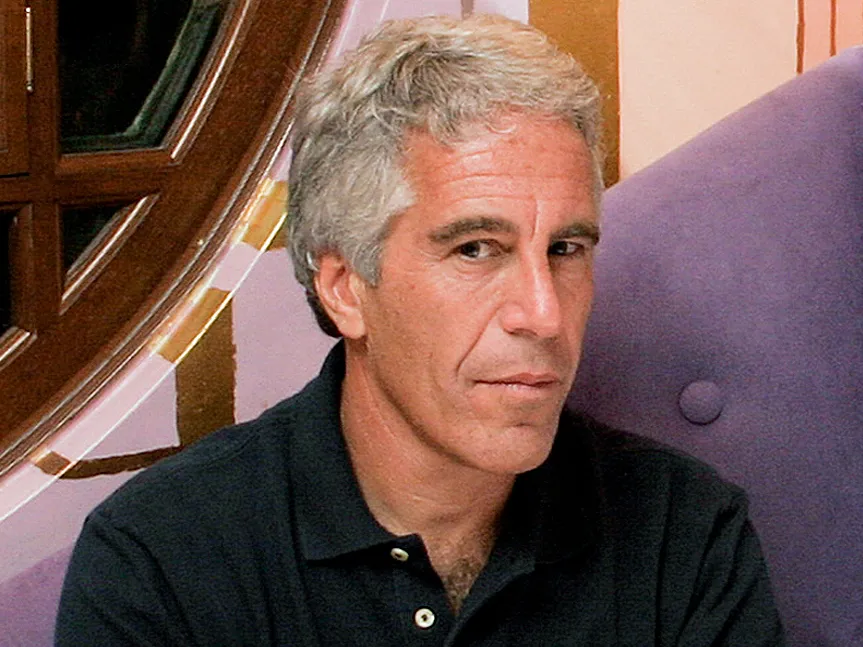
A federal judge in Florida has authorized the unsealing of long-protected grand jury materials related to the early investigations into Jeffrey Epstein, marking one of the most consequential legal developments in the case since the disgraced financier’s 2019 death. The ruling opens the door to thousands of pages of testimony, evidence, and investigative records from the 2005–2007 probe into Epstein’s sexual abuse of underage girls at his mansion in Palm Beach.
The order, issued by U.S. District Judge Rodney Smith, represents the Justice Department’s first major move under a new federal law that compels the release of all government records connected to Epstein. Congress passed the bill last month following years of pressure from victims, lawmakers, journalists, and advocacy groups frustrated by secrecy surrounding the case.
A Rare Step in a Highly Sensitive Case
Grand jury proceedings in the United States are typically sealed for life. The decision to open these records — and to do so without any redactions required by the court — is extraordinary. Judge Smith’s order does not mandate a precise timeline, but under Florida’s general unsealing procedures, documents often become public between three and seven days after being approved. Some legal experts say the release could happen sooner, while others warn that delays are possible if third parties file motions to limit or slow down publication.
The Justice Department has also requested access to grand jury materials from two other Epstein-related federal cases: the 2019 New York sex-trafficking indictment against Epstein, and the 2021 prosecution of Ghislaine Maxwell. Those requests remain pending in New York, where state secrecy rules are far more restrictive than Florida’s.
For now, the Florida files — which include interviews, investigative notes, sworn testimony, evidence logs, correspondence between prosecutors and detectives, and findings from the Palm Beach Police Department — will likely provide the most complete look yet at how Epstein operated, how authorities handled the case, and how he managed to secure a remarkably lenient plea deal in 2008.
Revisiting the Original Case
The newly unsealed materials date back nearly two decades, to the earliest known criminal investigation into Epstein’s abuse of minors. Palm Beach police began receiving complaints around 2005, eventually uncovering allegations from dozens of underage girls who said Epstein lured them to his home under the guise of paying for “massages” before sexually abusing them.
Among the files expected to draw immediate attention is testimony from Detective Joseph Recarey, a lead investigator in the case. Recarey previously stated that Epstein had raped a girl and attempted to make amends by paying her $1,000 — a detail already public through earlier reports but likely expanded upon in the full investigative transcripts. Recarey died in 2018 at age 50 after what was described at the time as a sudden, brief illness, leaving many of his original notes and statements as some of the only surviving firsthand accounts from law enforcement personnel closely involved in the investigation.
Given that Recarey’s work was central to understanding Epstein’s pattern of abuse, the release of his full testimony is expected to become a focal point for legal analysts and media outlets once the documents are made public.
Pressure on the Department of Justice Intensifies
The judge’s ruling overlaps with renewed political scrutiny over how federal agencies handled the Epstein case over the years. Epstein managed to secure a controversial non-prosecution agreement in 2008 that allowed him to avoid years in prison despite mounting evidence of widespread sexual abuse.
That agreement — negotiated by then-U.S. Attorney Alexander Acosta — has long been criticized as one of the most controversial plea deals in modern American criminal history. The new federal law forcing disclosure of Epstein files was designed, in part, to expose how that decision was reached, what evidence prosecutors possessed at the time, and whether outside pressure influenced the outcome.
Attorney General Pam Bondi has also pressed courts in New York to release Epstein-related grand jury materials there, though her earlier requests were rejected due to strict state secrecy rules. Bondi now argues that the newly passed federal law supersedes those barriers — a position that legal experts say will likely trigger lengthy court battles in New York.
The DOJ has already acknowledged that once the Florida files are unsealed, it will work with federal prosecutors to redact certain private information, including victim names and personal identifying details, before broader publication. But the core investigative content — long shielded from the public — will not remain hidden.
Political Fallout and Renewed Public Interest
The unfolding situation has also intersected with political tensions. Discussions around the Epstein files have grown increasingly charged in recent months due to allegations of delays, accusations of partisan interference, and concerns about what the documents might reveal about powerful figures who associated with Epstein.
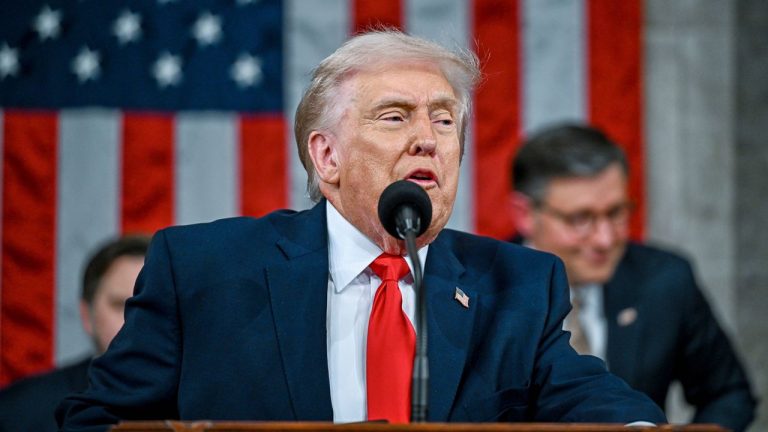
In recent weeks, the House Oversight Committee released a batch of older Epstein-related emails that included frequent references to Donald Trump, who interacted with Epstein socially in the late 1980s through the early 2000s before distancing himself from him around 2007. Trump has repeatedly dismissed the controversy surrounding the documents as a partisan “hoax,” though he also campaigned on a promise to make all Epstein records public once in office.
The debate escalated when Trump clashed with Rep. Marjorie Taylor Greene — formerly one of his most loyal political allies — after she accused the administration of withholding the files. Their dispute became one of the most notable public fractures between Trump and a prominent supporter since he returned to the White House.
Still, despite the political noise, the Florida judge’s order ensures that the first major batch of unsealed Epstein documents will emerge soon, independent of congressional battles or online speculation.
Unanswered Questions Ahead of the Release
Although the timing of the publication remains uncertain, legal analysts expect the records to raise new questions about how many people were involved in Epstein’s crimes and how far the conspiracy extended. The Florida investigation was the earliest and most detailed inquiry into his pattern of exploiting underage girls, and some of the detectives involved believed that many more potential defendants should have been charged.
Additionally, the files may shed light on interactions between the Palm Beach Police Department, state prosecutors, federal investigators, and Epstein’s legal team — a powerful group of attorneys who negotiated aggressively to shield him from more serious charges.
One question that continues to draw widespread interest is how Epstein managed to secure such a favorable plea deal, even as evidence accumulated suggesting his network of abuse was far larger than originally understood.
Epstein and Maxwell: A Broader Criminal Network
The Florida documents also intersect with two later federal cases: Epstein’s 2019 sex-trafficking indictment in Manhattan and Ghislaine Maxwell’s 2021 conviction. Maxwell is currently serving a 20-year sentence after being found guilty of recruiting and grooming minors for Epstein.
In July 2019, Epstein was formally charged with sex trafficking and conspiracy. A month later, he was found dead in his jail cell. His death, ruled a suicide, has fueled years of speculation and controversy, contributing to persistent calls for greater transparency about his associates, his finances, and the scope of his criminal operations.
The impending release of the grand jury files is expected to reignite these discussions, especially since the Florida investigation contains numerous firsthand accounts of victims, witnesses, and individuals who interacted with Epstein during the height of his abuse.
A Turning Point for Survivors and Investigators
For victims and their families, the unsealing of the records represents a moment of long-awaited recognition. Many have spent years accusing authorities of mishandling the case or failing to treat Epstein’s crimes with the seriousness they warranted. Others have said that the secrecy surrounding the case contributed to trauma, unease, and distrust in the criminal justice system.
The documents will not change past outcomes — Epstein is dead, Maxwell has been sentenced, and many years have passed since the original crimes. But the release may offer survivors something they have repeatedly asked for: transparency, acknowledgment, and answers to questions that have lingered for nearly two decades.
What Happens Next
With the judge’s order now official, the court clerk’s office is expected to process the release soon. Once made public, the files will likely dominate national headlines, spark new investigations, and possibly reshape public understanding of how the Epstein case unfolded from the start.
While the Justice Department prepares for the next steps, one thing is clear: after years of secrecy, the Epstein records are finally moving toward the light — and the impact of their release is almost certain to be far-reaching.

Emily Johnson is a critically acclaimed essayist and novelist known for her thought-provoking works centered on feminism, women’s rights, and modern relationships. Born and raised in Portland, Oregon, Emily grew up with a deep love of books, often spending her afternoons at her local library. She went on to study literature and gender studies at UCLA, where she became deeply involved in activism and began publishing essays in campus journals. Her debut essay collection, Voices Unbound, struck a chord with readers nationwide for its fearless exploration of gender dynamics, identity, and the challenges faced by women in contemporary society. Emily later transitioned into fiction, writing novels that balance compelling storytelling with social commentary. Her protagonists are often strong, multidimensional women navigating love, ambition, and the struggles of everyday life, making her a favorite among readers who crave authentic, relatable narratives. Critics praise her ability to merge personal intimacy with universal themes. Off the page, Emily is an advocate for women in publishing, leading workshops that encourage young female writers to embrace their voices. She lives in Seattle with her partner and two rescue cats, where she continues to write, teach, and inspire a new generation of storytellers.