A federal judge on Saturday denied a request from the state of Minnesota and the cities of Minneapolis and St. Paul to end a federal immigration operation that has sparked deadly violence and widespread public outcry. The operation, known as Operation Metro Surge, has deployed thousands of Immigration and Customs Enforcement (ICE) and Customs and Border Protection (CBP) agents to Minneapolis, resulting in the deaths of two local residents this month and igniting weeks of protests.
The plaintiffs had filed suit following the killing of Renee Good, who was shot and killed by an ICE agent earlier this month. The lawsuit demanded that the federal government terminate the Minneapolis operation and return the estimated 3,000 federal agents deployed to the city. The case gained further urgency after a second fatality, Alex Pretti, was shot by federal agents while protesting ICE’s presence.
Minnesota, along with Minneapolis and St. Paul, argued that Operation Metro Surge violated the Tenth Amendment, which protects states from federal overreach outside constitutionally enumerated powers. The lawsuit contended that the deployment of federal agents amounted to an unprecedented intrusion on state sovereignty and public safety.
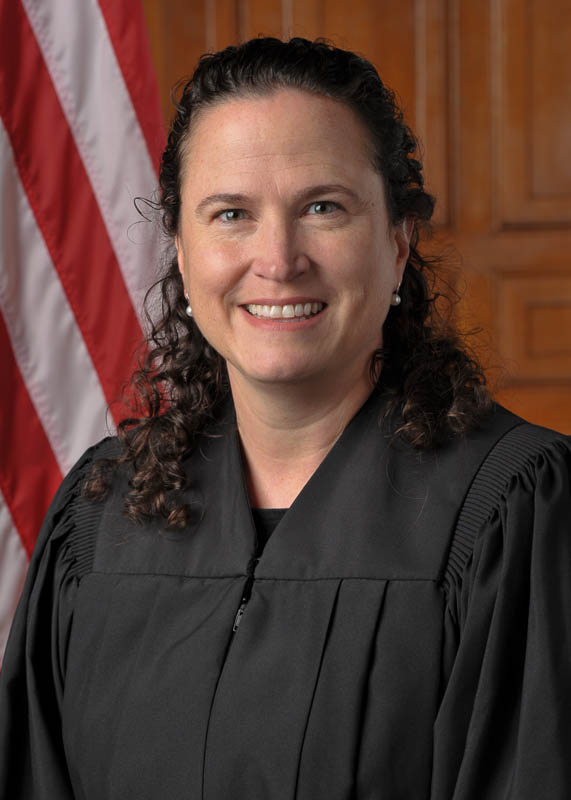
However, U.S. District Judge Kate Menendez, nominated by President Joe Biden in 2021, rejected the request for an injunction, ruling that the plaintiffs had not demonstrated that the federal government had violated the Tenth Amendment. Menendez acknowledged the gravity of the situation, noting that the operation had a “profound and even heartbreaking” impact on Minneapolis, but concluded that the legal threshold for halting the operation had not been met.
“A proclamation that Operation Metro Surge has simply gone ‘so far on the other side of the line’ is a thin reed on which to base a preliminary injunction,” Menendez wrote. The judge noted that while there was evidence of troubling conduct, including allegations of racial profiling, excessive use of force, and other harmful actions by ICE and CBP agents, the court was only assessing the constitutional argument, not the tactics or operational conduct.
The ruling immediately drew sharp responses from both supporters and critics of the federal operation. Minneapolis Mayor Jacob Frey expressed disappointment, stating that the decision “doesn’t change what people here have lived through – fear, disruption, and harm caused by a federal operation that never belonged in Minneapolis in the first place.” Frey called Operation Metro Surge “an invasion” and criticized it for failing to improve public safety.
In stark contrast, U.S. Attorney General Pam Bondi hailed the decision as a major victory for the administration, posting on X that it was a “HUGE” win. “Neither sanctuary policies nor meritless litigation will stop the Trump Administration from enforcing federal law in Minnesota,” Bondi wrote.
Brian Carter, a lawyer representing Minnesota, described the operation as “essentially an army” deployed to undertake “widespread illegal violent conduct,” calling the situation “unprecedented in the 250-year history of our country.”
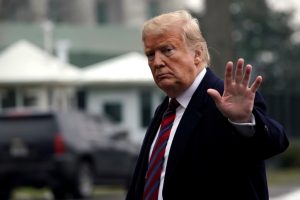
President Trump has publicly addressed the controversy, stating that ICE would “de-escalate a little bit” following the fatalities. He dispatched border czar Tom Homan to Minneapolis to oversee the operation, asserting that federal agents were acting lawfully to enforce immigration regulations. The administration has defended the operation as a legal effort to uphold federal law, despite mounting criticism over the deaths and ongoing protests.
National Outcry and Protests
The Minnesota shootings are part of a broader pattern of lethal encounters involving ICE agents this year. According to reports, eight people have died in interactions with ICE in 2026 alone, including the deaths of Geraldo Campos at an immigration detention facility in Texas and Keith Porter Jr, who was shot by an off-duty ICE officer in Los Angeles.
In response to the deaths, organizers from the national grassroots group 50501 are coordinating more than 300 demonstrations across all 50 states and Washington, D.C. on Saturday. The campaign, branded “ICE Out of Everywhere,” aims to protest federal immigration enforcement operations nationwide and highlight alleged abuses and excessive force by federal agents.
The Minneapolis protests, which have been ongoing for weeks, have drawn national attention. Video footage shows large crowds confronting heavily armed federal agents, and local leaders have repeatedly warned that the operation has exacerbated fear and instability within the community.
Activists argue that the federal deployment undermines local law enforcement and disrupts public safety rather than enhancing it. “Operation Metro Surge has not brought public safety. It’s brought the opposite,” Mayor Frey said.
Legal and Constitutional Context
The plaintiffs’ case centered on the Tenth Amendment, which reserves powers not explicitly granted to the federal government for the states. Their argument relied on the premise that deploying federal agents in large numbers to enforce federal immigration law within a state constitutes unconstitutional commandeering.
However, Judge Menendez concluded that the plaintiffs had failed to establish a clear standard for determining when federal law enforcement crosses the line into unconstitutional interference. The court did not rule on whether specific actions by ICE or CBP agents were lawful or justified, leaving open the possibility for future legal challenges targeting particular incidents.
The ruling underscores the difficulty of challenging federal immigration enforcement on constitutional grounds. While state and local governments can contest federal actions, courts generally afford the executive branch broad authority in enforcing federal law, particularly regarding immigration.
Ongoing Debate and Political Ramifications
The Minneapolis operation and subsequent ruling have intensified debates over federal versus state authority, public safety, and civil liberties. Critics argue that Operation Metro Surge reflects an aggressive federal approach that prioritizes enforcement over community engagement and human rights.
Supporters of the administration’s actions emphasize the importance of upholding federal law and maintaining immigration enforcement nationwide. Attorney General Bondi and other officials have framed the legal victory as a validation of federal authority, arguing that sanctuary cities and litigation cannot obstruct lawful enforcement.
The ongoing national protests signal that public opposition to aggressive federal immigration enforcement extends beyond Minnesota. Organizers and activists are leveraging the deaths and the court ruling to draw attention to broader concerns about civil liberties, excessive force, and accountability in federal operations.
Looking Ahead
As protests continue and additional legal challenges emerge, the future of Operation Metro Surge remains uncertain. While the federal court has cleared the administration to continue its operation, scrutiny from local officials, advocacy groups, and the public is likely to persist.
For Minneapolis residents and demonstrators, the operation has already had a profound impact, highlighting the tension between federal authority and local governance. For the Trump administration, the ruling represents a significant legal affirmation of its approach to federal immigration enforcement, even as nationwide protests and public criticism intensify.
The deaths of Renee Good and Alex Pretti, along with other fatalities connected to ICE encounters this year, underscore the human consequences of aggressive federal immigration operations and ensure that debates over legality, ethics, and accountability will continue to shape the national conversation.

Emily Johnson is a critically acclaimed essayist and novelist known for her thought-provoking works centered on feminism, women’s rights, and modern relationships. Born and raised in Portland, Oregon, Emily grew up with a deep love of books, often spending her afternoons at her local library. She went on to study literature and gender studies at UCLA, where she became deeply involved in activism and began publishing essays in campus journals. Her debut essay collection, Voices Unbound, struck a chord with readers nationwide for its fearless exploration of gender dynamics, identity, and the challenges faced by women in contemporary society. Emily later transitioned into fiction, writing novels that balance compelling storytelling with social commentary. Her protagonists are often strong, multidimensional women navigating love, ambition, and the struggles of everyday life, making her a favorite among readers who crave authentic, relatable narratives. Critics praise her ability to merge personal intimacy with universal themes. Off the page, Emily is an advocate for women in publishing, leading workshops that encourage young female writers to embrace their voices. She lives in Seattle with her partner and two rescue cats, where she continues to write, teach, and inspire a new generation of storytellers.