

On Tuesday, June 10, a federal judge in San Francisco declined to immediately block President Donald Trump’s deployment of National Guard troops and Marines to Los Angeles, despite a legal challenge from California officials. The move came amid mounting tensions following widespread protests and violence sparked by Immigration and Customs Enforcement (ICE) raids across the city.
Senior U.S. District Judge Charles R. Breyer, appointed by President Bill Clinton, rejected the state’s emergency request for an injunction to halt the deployment. Instead, he scheduled a hearing for Thursday afternoon to more fully consider California’s request for a temporary restraining order.
Governor Gavin Newsom and California Attorney General Rob Bonta filed the lawsuit arguing that the president’s use of military personnel for immigration enforcement violates the Posse Comitatus Act, a federal law that prohibits active-duty military from engaging in domestic law enforcement. However, Trump administration lawyers countered that the troops are not enforcing laws directly but are instead assigned to protect federal agents and property.
In a brief submitted to the court, the U.S. Department of Justice dismissed California’s claims as “legally meritless.” The DOJ emphasized that the deployment supports the Department of Homeland Security’s safety and operational effectiveness amid escalating unrest and attacks on federal agents.
The legal standoff followed a series of riots that erupted after ICE agents conducted a high-profile raid at a Home Depot in Los Angeles. The operation resulted in several arrests, including individuals with prior felony convictions. In response, protests escalated into violent confrontations. Videos shared online showed masked individuals throwing rocks at ICE vehicles, damaging federal property, and targeting law enforcement personnel.
In response to the deteriorating situation, President Trump ordered the deployment of an additional 700 Marines to reinforce the National Guard units already mobilized. The president justified the decision by citing the need to protect federal property and personnel. Defense Secretary Pete Hegseth, named as a co-defendant in the lawsuit, affirmed that the military would not engage in direct law enforcement actions but would serve in a supporting role.
Legal scholar Alan Dershowitz weighed in, noting that the courts are unlikely to overrule the president’s authority in this case. “The Supreme Court will not second-guess the President of the United States on this issue,” Dershowitz said. “They will rule that he had the authority, even without the consent of the governor.”
As the Thursday hearing approaches, the debate over federal authority, states’ rights, and the proper role of the military in domestic affairs continues to intensify amid the backdrop of national unrest and partisan tension.
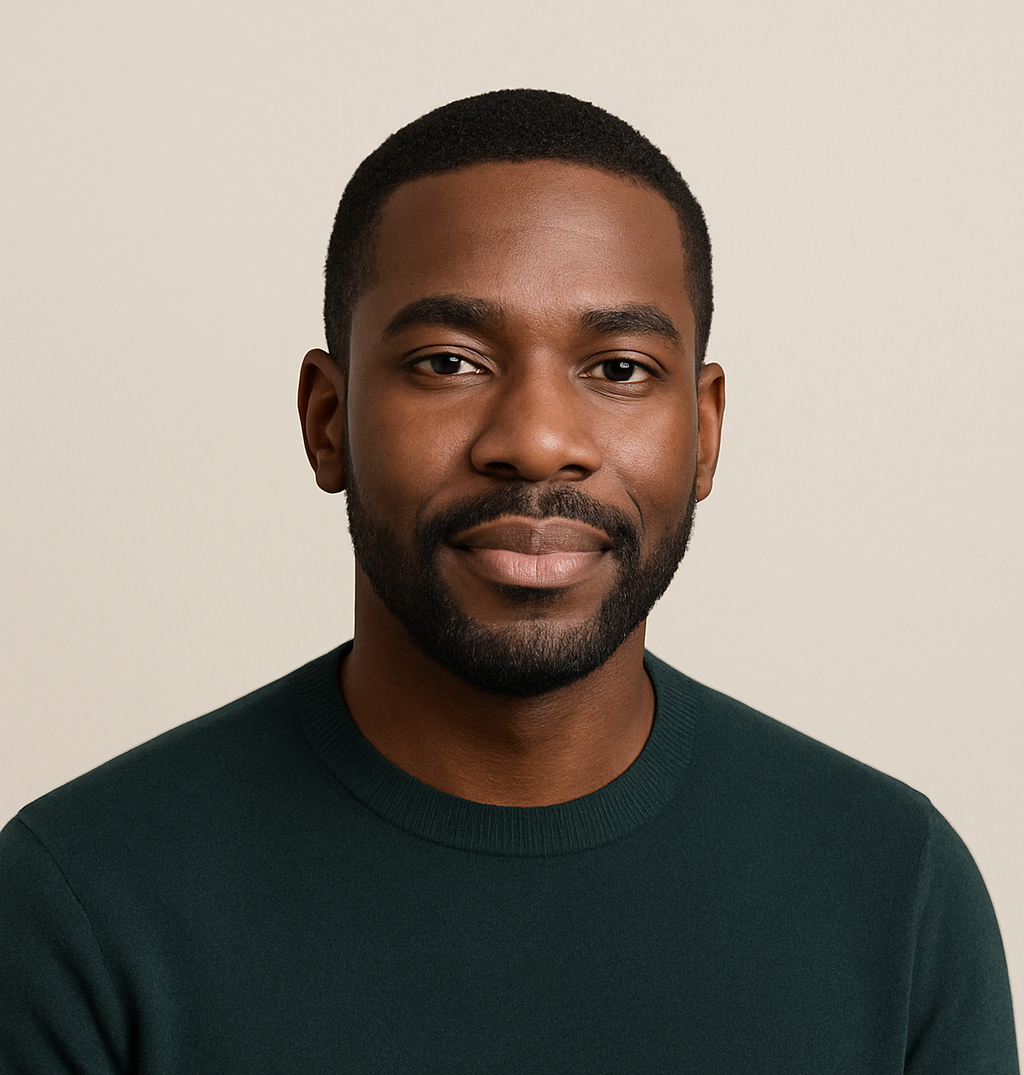
James Jenkins is a celebrated Pulitzer Prize-winning author whose work has reshaped the way readers think about social justice and human rights in America. Raised in Atlanta, Georgia, James grew up in a community that instilled in him both resilience and a strong sense of responsibility toward others. After studying political science and creative writing at Howard University, he worked as a journalist covering civil rights issues before dedicating himself fully to fiction. His novels are known for their sharp, empathetic portraits of marginalized communities and for weaving personal stories with broader political realities. Jenkins’s breakout novel, Shadows of Freedom, won national acclaim for its unflinching look at systemic inequality, while his more recent works explore themes of identity, resilience, and the fight for dignity in the face of oppression. Beyond his novels, James is an active public speaker, lecturing at universities and participating in nonprofit initiatives that support literacy and community empowerment. He believes that storytelling is a way to preserve history and inspire change. When not writing, James enjoys jazz music, mentoring young writers, and traveling with his family to explore cultures and stories around the world.