A Tense Moment on Live TV
House Minority Leader Hakeem Jeffries (D-NY) found himself on the defensive this week when pressed on CNBC about his party’s nominee for mayor of New York City — State Assemblyman Zohran Mamdani, a self-described socialist.
The exchange took place Thursday morning on Squawk Box, where Jeffries had been invited to discuss economic policy and the latest jobs report.
Jeffries began the segment criticizing President Donald Trump’s decision to replace the head of the Bureau of Labor Statistics, calling it an “anti-free market” move in response to disappointing employment numbers.
From Jobs to the Mayor’s Race
Host Andrew Ross Sorkin quickly pivoted the conversation to New York City’s upcoming mayoral election. He pointed out a potential contradiction between Jeffries’ stated support for free-market principles and the Democratic Party’s decision to nominate Mamdani — a politician who openly embraces socialist policies.
“I’m trying to understand why you would spend a significant amount of time asking me about the Democratic nominee who’s not even the mayor,” Jeffries replied, his tone tightening.
When Sorkin pressed again, asking how Jeffries’ economic philosophy aligns with Mamdani’s platform, the Democratic leader declined to discuss the specifics of the candidate’s proposals. Instead, he questioned the relevance of focusing on a nominee months before the election.
Who Is Zohran Mamdani?
Mamdani represents parts of Queens in the New York State Assembly and has built a political identity around unapologetically progressive ideas:
-
Expanding public housing projects
-
Raising taxes on high-income earners
-
Reshaping policing policies in the city
His nomination has sparked intense debate, not only for its potential impact on New York City’s policies but also for what it says about the Democratic Party’s broader direction.
Party Tensions on Display
Jeffries, as the leader of House Democrats in Washington, has consistently emphasized economic growth, market stability, and bipartisan cooperation on certain fiscal matters. Mamdani’s left-leaning platform, by contrast, aligns with the Democratic Party’s progressive wing — a faction that often pushes for more government intervention in housing, healthcare, and taxation.
The on-air exchange underscored the challenge Democratic leaders face when asked to reconcile these differences, particularly in a high-profile election in the nation’s largest city.
Stakes for the Election
The New York City mayoral race is scheduled for November. Mamdani will face the Republican nominee in what is expected to be a closely watched contest with national implications.
The city continues to struggle with crime, rising housing costs, and uneven economic recovery following the pandemic. Both candidates will need to present convincing solutions — but Mamdani’s approach is expected to generate heated debate over whether his vision would help or hurt the city’s recovery.
Jeffries Keeps the Focus on Washington
When CNBC pressed him one final time about the mayoral race, Jeffries sidestepped, steering the conversation back to national economic policy and the Democratic legislative agenda in Congress.
He offered no endorsement and gave no signal as to whether he will actively campaign for Mamdani.
Political analysts suggest that this careful distance may be strategic — an attempt to avoid alienating moderate voters while not directly opposing his party’s official nominee.
What Comes Next
The interaction is likely a preview of the questions Jeffries — and other party leaders — will continue to face as the Democratic Party navigates its internal split between establishment figures and openly socialist candidates.
For now, Jeffries’ reluctance to engage on Mamdani’s policies leaves the conversation open-ended — and ensures the mayoral race will remain a point of contention in political circles far beyond New York City.
https://twitter.com/WesternLensman/status/1955972708635959373
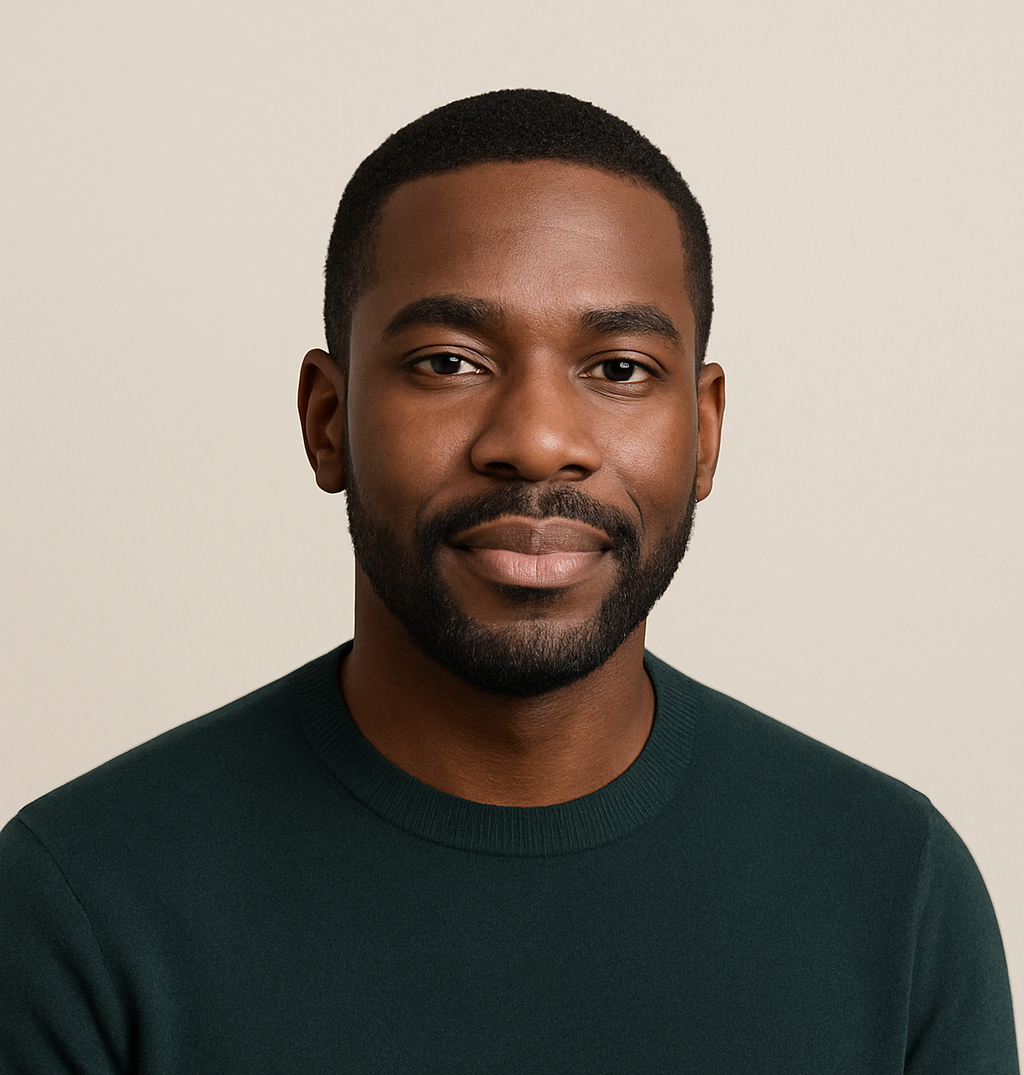
James Jenkins is a celebrated Pulitzer Prize-winning author whose work has reshaped the way readers think about social justice and human rights in America. Raised in Atlanta, Georgia, James grew up in a community that instilled in him both resilience and a strong sense of responsibility toward others. After studying political science and creative writing at Howard University, he worked as a journalist covering civil rights issues before dedicating himself fully to fiction. His novels are known for their sharp, empathetic portraits of marginalized communities and for weaving personal stories with broader political realities. Jenkins’s breakout novel, Shadows of Freedom, won national acclaim for its unflinching look at systemic inequality, while his more recent works explore themes of identity, resilience, and the fight for dignity in the face of oppression. Beyond his novels, James is an active public speaker, lecturing at universities and participating in nonprofit initiatives that support literacy and community empowerment. He believes that storytelling is a way to preserve history and inspire change. When not writing, James enjoys jazz music, mentoring young writers, and traveling with his family to explore cultures and stories around the world.