NOTE: VIDEO INSIDE THE ARTICLE.
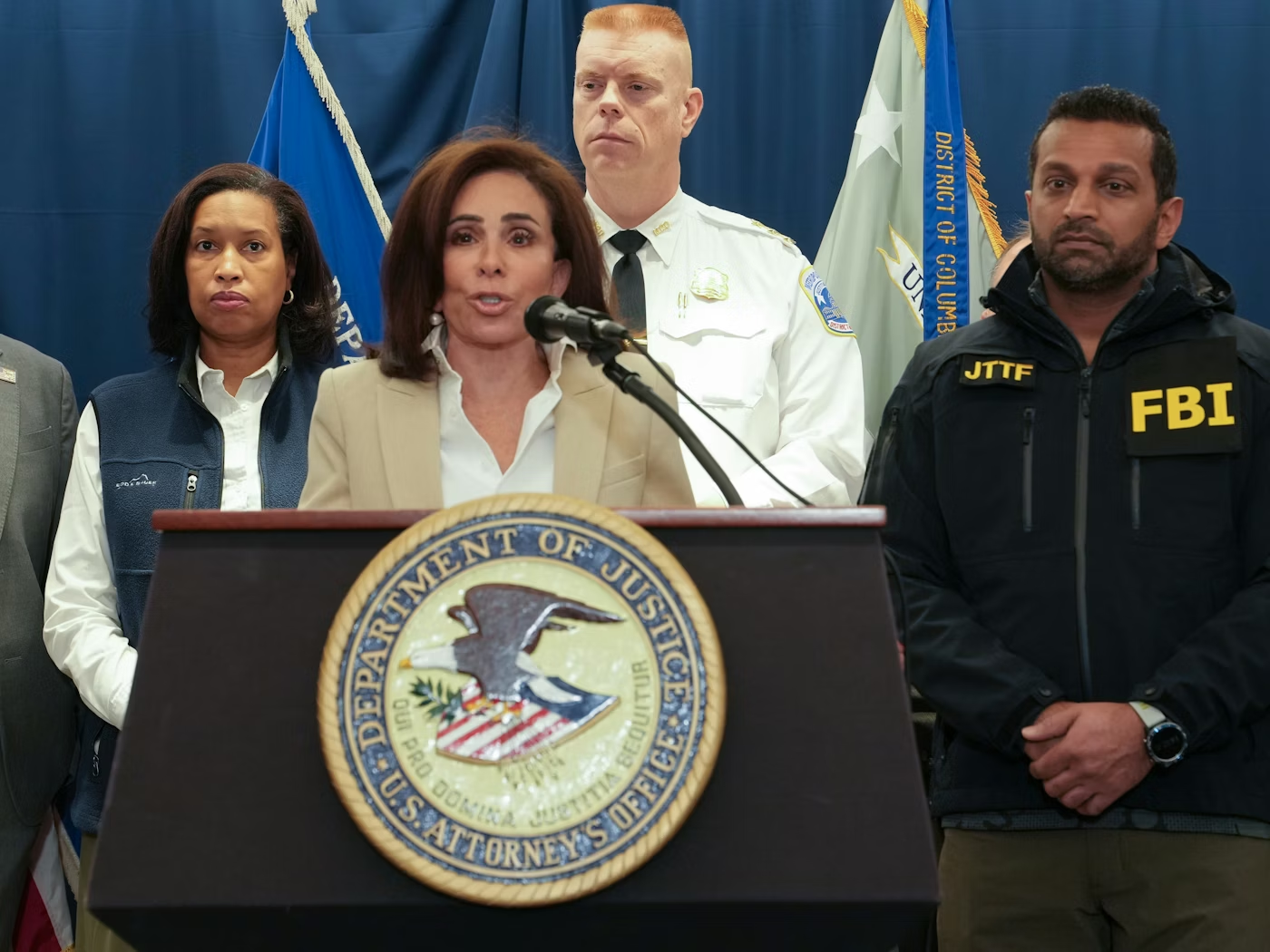
In the aftermath of the shocking shooting of two West Virginia National Guard members near the White House, U.S. Attorney for the District of Columbia Jeanine Pirro expressed visible frustration during a Thursday news briefing when asked about President Donald Trump’s decision to deploy additional troops to the capital. Her response highlighted both the gravity of the security situation in Washington, D.C., and the broader debate over the role of the National Guard in maintaining public safety in major U.S. cities.
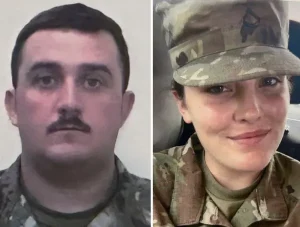
The shooting, which occurred on the eve of Thanksgiving, left the nation reeling. Rahmanullah Lakanwal, a 29-year-old Afghan national, has been charged with assault with intent to kill while armed, and possession of a firearm during a crime of violence. The attack targeted Specialist Sarah Beckstrom, 20, and Staff Sergeant Andrew Wolfe, 24, who were critically wounded in the incident. Both had been sworn into service less than 24 hours before the shooting took place, underscoring the suddenness and severity of the attack.
During the briefing, Pirro was confronted by a journalist questioning whether some members of the public were upset with Trump for issuing an executive order in August to deploy National Guard troops to Washington, D.C. The reporter referenced concerns that the large-scale presence of soldiers in the capital was controversial. Pirro’s response was immediate and pointed, leaving no room for debate.
“I don’t even wanna talk about whether they should’ve been there,” Pirro said sharply. She went on to underscore the necessity of the deployment, describing it as a critical measure in protecting a city that had experienced high levels of violent crime. “We ought to kiss the ground and thank God that the president said it’s time to bring in more law enforcement to make sure that a city that had the fourth highest homicide rate in the country… that that violence was quelled,” she added. “I’m not even gonna go there,” she concluded, emphasizing her unwavering support for the president’s actions.
The National Guard has been engaged in a months-long deployment in Washington, D.C., following Trump’s declaration of a crime emergency in the city. The initial deployment involved over 2,300 troops from eight states and the district itself, who were tasked with supporting local law enforcement in patrolling the city, deterring crime, and responding to violent incidents.
The recent shooting, which has been described by authorities as a “targeted attack,” prompted the president to request an additional 500 National Guard members be deployed to the city. This rapid response reflects the administration’s commitment to bolstering security and protecting both civilians and law enforcement officers in high-risk areas. Similar deployments have been expanded to other major U.S. cities, including Portland, Chicago, and Los Angeles, in response to rising concerns about urban crime.
The attack itself occurred near the White House, just blocks away from a high-security area. Law enforcement officials described the scene as chaotic, with immediate concern for the safety of the guardsmen and the public. Beckstrom and Wolfe were taken to separate hospitals in critical condition. Their injuries highlighted the risks faced by service members, particularly those newly deployed, and underscored the importance of robust security measures in the nation’s capital.
Pirro, a former Fox News host and a high-profile attorney, has been a vocal supporter of Trump’s policies, particularly regarding crime prevention and law enforcement. Her remarks at the briefing reflected her frustration with media inquiries that questioned the necessity of the National Guard presence. She emphasized that deploying additional troops was not a political decision but a practical measure to prevent further violence and ensure the safety of residents and officials.
The president’s use of the National Guard in Washington is part of a broader strategy to address escalating crime in urban centers. In addition to patrolling high-risk neighborhoods, Guard members have assisted with traffic control, crowd management, and rapid response to emergencies. Their presence is intended to provide both deterrence and support to local police, particularly in areas experiencing a surge in violent incidents.
Within the first month of the deployment, the Guard’s presence in Washington was highly visible, with troops stationed at key intersections, government buildings, and areas prone to crime. The move sparked debate, with supporters praising the administration for taking decisive action and critics raising questions about militarization and civil liberties. Pirro’s blunt response at the briefing was a direct defense of the strategy, emphasizing that the lives of service members and civilians were at stake.
In addition to the National Guard deployment, Trump’s administration has implemented a series of measures aimed at reducing crime in major cities. These include increased federal funding for law enforcement, support for community policing initiatives, and coordination between federal, state, and local agencies. The deployment of troops to Washington and other cities is part of this comprehensive approach, reflecting the administration’s prioritization of public safety and rapid intervention in the face of violent crime.
The shooting of Beckstrom and Wolfe has also brought attention to the risks faced by newly sworn-in guardsmen. Both were less than a day into their assignments when they were ambushed, highlighting the unpredictable nature of security threats in urban environments. Authorities have been reviewing the incident in detail, analyzing surveillance footage, and coordinating investigations between multiple agencies to ensure that justice is served.
The role of the National Guard in Washington and other cities has been central to discussions about public safety. Officials argue that their deployment provides essential support to local law enforcement, enabling a more rapid response to incidents and serving as a visible deterrent to potential criminal activity. The presence of trained military personnel is intended to complement, not replace, police operations, ensuring that cities can respond effectively to both routine and extraordinary situations.
Pirro’s remarks also underscored the broader context of crime in Washington, D.C. The city has experienced elevated levels of violent crime, including homicides and assaults, prompting the administration to prioritize immediate and visible interventions. By deploying the National Guard, the president has sought to stabilize areas with the highest risks, provide support to police officers, and reassure the public that steps are being taken to protect residents.
While the deployment has been praised by supporters, some critics have expressed concerns about the optics and long-term implications of a sustained military presence in a civilian setting. Questions have been raised about the balance between security and civil liberties, as well as the potential for tensions between law enforcement and the public. Pirro’s firm defense reflects the administration’s view that the immediate safety of citizens and service members takes precedence over political debate or public criticism.
The incident and subsequent briefing have also drawn attention to the media’s role in covering sensitive security matters. Pirro’s sharp response to the journalist’s question illustrates the tension that can arise when officials are asked to justify decisions in the midst of ongoing investigations and public scrutiny. Her reaction was a reminder of the high stakes involved in maintaining security in the nation’s capital, where decisions have both immediate and far-reaching consequences.
Trump’s ongoing expansion of the National Guard deployment to other cities demonstrates a broader commitment to addressing crime and supporting law enforcement nationwide. By sending additional troops to Washington, D.C., following the shooting, the administration signaled that it is prepared to act swiftly in response to threats and emergencies, prioritizing the protection of life above all else.
The debate over the use of the National Guard in urban areas is likely to continue, particularly as officials balance the need for security with concerns about civil liberties and the appropriate role of military personnel in civilian contexts. Pirro’s remarks serve as a strong statement of support for the administration’s approach, emphasizing that decisive action is necessary to protect both residents and law enforcement officers.
For viewers wishing to see Pirro’s full reaction, a video from the briefing can be placed at the end of the article, providing a firsthand look at her response and the intensity with which she defended the troop deployment.
The video captures the full exchange, demonstrating her unwavering stance and the conviction behind her words. It also provides context for the administration’s approach to public safety and the importance of visible, rapid-response measures in cities facing elevated levels of violent crime.
As the investigation into the D.C. shooting continues, authorities are working to determine motive, examine the suspect’s background, and ensure accountability. Meanwhile, Trump’s administration has reaffirmed its commitment to protecting both civilians and service members, highlighting the critical role that the National Guard plays in maintaining public safety during periods of heightened risk.
The incident, Pirro’s response, and the broader context of National Guard deployments reflect the complex challenges of governing in urban centers with rising crime rates. They also illustrate the tension between media scrutiny, public opinion, and the practical realities of security operations in the nation’s capital.

Emily Johnson is a critically acclaimed essayist and novelist known for her thought-provoking works centered on feminism, women’s rights, and modern relationships. Born and raised in Portland, Oregon, Emily grew up with a deep love of books, often spending her afternoons at her local library. She went on to study literature and gender studies at UCLA, where she became deeply involved in activism and began publishing essays in campus journals. Her debut essay collection, Voices Unbound, struck a chord with readers nationwide for its fearless exploration of gender dynamics, identity, and the challenges faced by women in contemporary society. Emily later transitioned into fiction, writing novels that balance compelling storytelling with social commentary. Her protagonists are often strong, multidimensional women navigating love, ambition, and the struggles of everyday life, making her a favorite among readers who crave authentic, relatable narratives. Critics praise her ability to merge personal intimacy with universal themes. Off the page, Emily is an advocate for women in publishing, leading workshops that encourage young female writers to embrace their voices. She lives in Seattle with her partner and two rescue cats, where she continues to write, teach, and inspire a new generation of storytellers.