Vice President JD Vance has publicly responded after a viral photograph sparked widespread online speculation that he had been yelling at his wife, Usha Vance, during what appeared to be a private dinner outing. The image, which rapidly spread across multiple social media platforms, ignited heated debate about the couple’s relationship, fueled partisan commentary, and once again highlighted how quickly unverified images can trigger public narratives in the digital age.
The unverified photograph, which surfaced earlier this week, appeared to show Vance seated inside a restaurant booth wearing a white T-shirt, with his mouth open and his facial expression interpreted by some as anger. Across from him sat a dark-haired woman believed to be Usha, who appeared to be holding her head in her hands. Within hours of being posted, the image was shared thousands of times alongside captions suggesting marital conflict.
Critics of the vice president quickly seized on the image as evidence of personal discord, while others mocked his appearance, particularly his casual clothing choice for what appeared to be a dinner setting. Some social media users claimed the exchange was loud enough to draw attention from other diners—claims that could not be independently verified.
One widely shared post read, “Looks like things are not so good in Republicanistan. Apparently they were having an argument loud enough to quiet the restaurant.” Others focused on Vance’s attire, joking that he looked as though he “should have a pack of cigarettes rolled up in his sleeve.”
The rumors spread rapidly across political corners of the internet, with the image being reposted by both critics and meme accounts. As speculation intensified, some users also questioned whether the photograph had been digitally altered or generated with artificial intelligence—a suspicion that grew as inconsistencies in lighting and posture were pointed out by online observers.
Vance Responds With Sarcasm
After several days of mounting online debate, Vance addressed the rumors directly with a sarcastic post on X, formerly known as Twitter.
“I always wear an undershirt when I go out in public to have a fight loudly with my wife,” the vice president wrote.
The response was widely interpreted as a dismissal of the claims and an implicit suggestion that the viral image had been misinterpreted—or was not authentic at all. His comment drew mixed reactions, with supporters praising his humor and detractors accusing him of deflecting rather than clarifying.
Shortly after his post, the idea that the image may have been AI-generated or digitally manipulated gained further traction. Several digital forensics commentators noted visual irregularities that raised questions about the photo’s authenticity, though no official verification has been provided by any platform or law enforcement agency.
A Marriage Under the Microscope
JD and Usha Vance have been married for more than a decade and share three children. Since Vance’s rise from U.S. senator to vice president, their private lives have increasingly become the subject of public attention—sometimes supportive, often intrusive.
Usha Vance, a successful attorney with a background in constitutional law, has largely avoided the spotlight during her husband’s political career. Friends of the family have long described the couple as private and closely bonded. However, the pressures of national politics have inevitably increased visibility into their personal lives.
The viral photo incident comes amid months of swirling rumors and speculation, particularly following a highly publicized moment in October when Vance was seen sharing a prolonged embrace with Erika Kirk, the widow of conservative activist Charlie Kirk, who was assassinated earlier this year. That moment, captured by photographers at a public gathering, quickly went viral and reignited gossip about the vice president’s personal relationships.
Around the same time, observers also noted that Usha Vance had been spotted at multiple public events without her wedding ring—including appearances alongside First Lady Melania Trump. That detail was seized upon online as further “evidence” of supposed marital strain.
However, a spokesperson for the Second Lady later explained that Usha frequently forgets to wear her wedding ring due to her demanding schedule as a mother and household manager. The spokesperson emphasized that the omission was not symbolic and that the marriage remained intact.
Vance: “We Kind of Get a Kick Out of It”
In a previous interview with NBC News, Vance spoke candidly about the speculation surrounding his marriage, saying he and his wife choose not to let rumors control their lives.
“I think that we kind of get a kick out of it,” Vance said. “With anything in life, you take the good with the bad. You accept that there are some sacrifices and there are some very good things that come along with it, too.”
He added that their relationship has remained stable despite the pressures of public office.
“Our marriage is as strong as it’s ever been,” he said. “And I think Usha’s really taken to it, and it’s been kind of cool to see how she’s developed and evolved in this new role.”
Those comments have now resurfaced in the wake of the viral image, as supporters point to them as evidence that the speculation is misplaced.
The Power—and Danger—of Viral Images
The episode has reignited debate over how quickly viral imagery can distort public perception, especially when high-profile political figures are involved. Experts on digital misinformation note that emotionally charged images—particularly those appearing to show conflict—are uniquely effective at spreading online.
“Photos trigger instinctive emotional reactions before fact-checking occurs,” said one digital media researcher. “Once a narrative forms, even if it’s false or unverified, it can be difficult to reverse.”
In recent years, AI-generated images and deepfakes have increasingly complicated efforts to verify viral content. The lack of clear provenance for the restaurant photo has only intensified skepticism and confusion.
No restaurant staff, law enforcement officials, or independent witnesses have publicly confirmed that a loud argument occurred. No audio exists to support the claims made in viral captions. And neither JD nor Usha Vance has confirmed the circumstances depicted in the photo beyond Vance’s sarcastic dismissal.
Political Weaponization of Personal Moments
The photo quickly became entangled in broader partisan warfare. Critics of the Trump administration portrayed the moment as symbolic of internal personal instability, while supporters accused opponents of exploiting a private moment—real or fabricated—for political attacks.
Some online commentators framed the controversy as part of a broader pattern of attempts to delegitimize conservative political figures through personal scandal rather than policy critique. Others argued that public officials inevitably invite scrutiny into their private lives.
Media analysts note that this tension has grown dramatically in the social media era, where unverified personal content can reach millions before traditional journalists have time to verify it.
The Human Cost of Political Scrutiny
For families of public officials, moments like this can carry real emotional weight. Spouses and children often become collateral participants in controversies they never sought out. While JD Vance chose to respond with humor, public figures in similar situations have described the emotional strain caused by viral misinformation.
Friends of the Vance family have previously stated that Usha prefers to focus on raising their children and maintaining stability at home while supporting her husband’s work from behind the scenes.
The spokesperson’s explanation about the wedding ring pointed to what many families experience when balancing career demands and household responsibilities—details that rarely align with the dramatic narratives crafted online.
The Broader Cultural Moment
The viral JD Vance photo also arrives in a wider cultural climate defined by increasing skepticism toward media narratives, growing awareness of AI-generated imagery, and rising concerns about online disinformation.
What once might have remained a private, forgettable moment—whether tense or mundane—has now become a national talking point. The episode demonstrates how modern political life exists within a constant feedback loop of images, speculation, rebuttal, and counter-narrative.
Where Things Stand Now
As of now:
-
No independent verification has confirmed the photo as authentic.
-
No evidence has emerged to substantiate claims of a public argument.
-
JD Vance has dismissed the rumors with sarcasm.
-
Usha Vance has made no direct public comment.
-
Digital manipulation remains a possibility.
-
The couple continues to appear publicly without visible disruption.
For now, the controversy appears to be cooling, though similar cycles of speculation are unlikely to disappear in today’s media landscape.
Final Reflection
The viral JD Vance photo controversy is less about a single image and more about how quickly personal moments—real or fabricated—can become political flashpoints. In an era where cameras are everywhere and verification often arrives too late, perception frequently outruns truth.
For JD and Usha Vance, the episode has become another reminder that life in the national spotlight leaves little room for privacy—and even less room for misinterpretation.
Whether the image was misread, manipulated, or simply misunderstood, the lesson is clear: in modern politics, no moment is too small to become a headline.
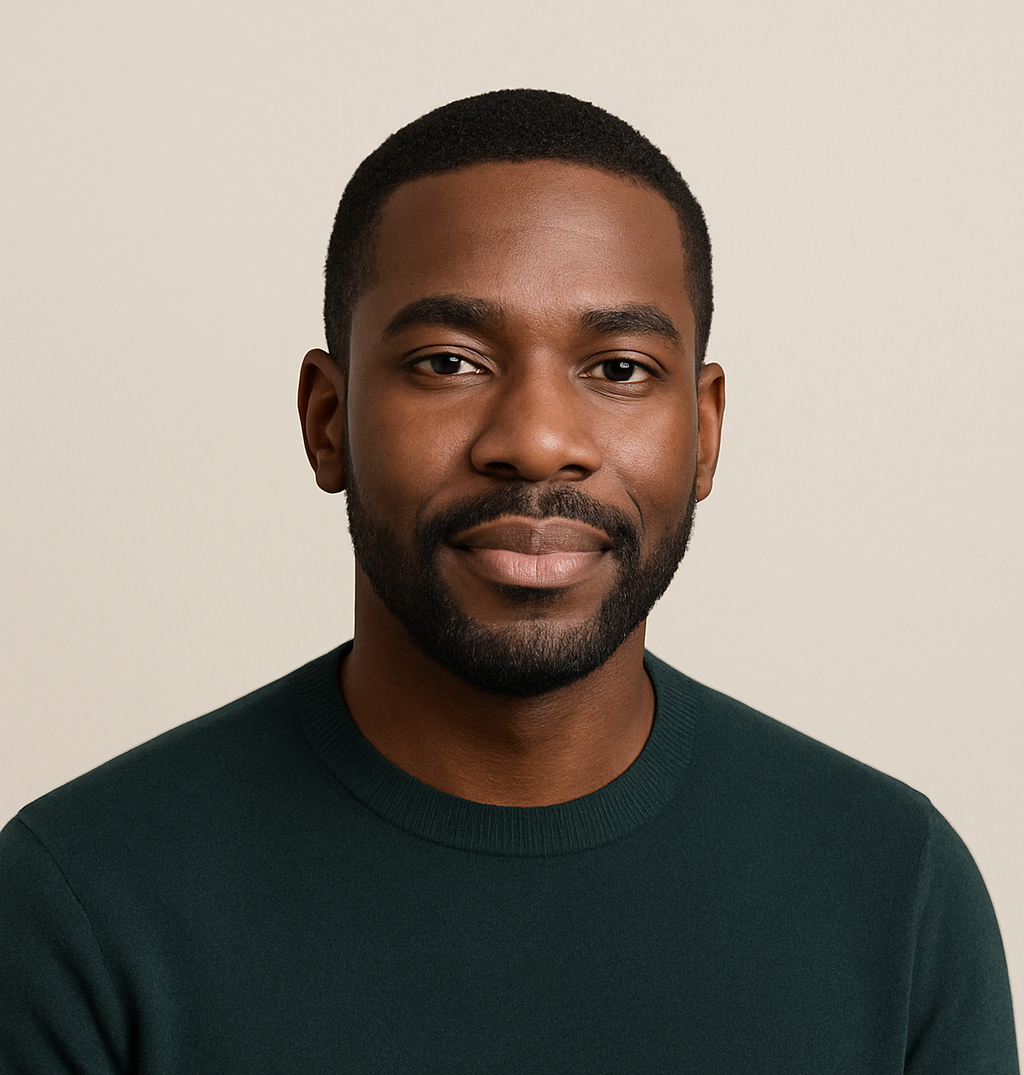
James Jenkins is a celebrated Pulitzer Prize-winning author whose work has reshaped the way readers think about social justice and human rights in America. Raised in Atlanta, Georgia, James grew up in a community that instilled in him both resilience and a strong sense of responsibility toward others. After studying political science and creative writing at Howard University, he worked as a journalist covering civil rights issues before dedicating himself fully to fiction. His novels are known for their sharp, empathetic portraits of marginalized communities and for weaving personal stories with broader political realities. Jenkins’s breakout novel, Shadows of Freedom, won national acclaim for its unflinching look at systemic inequality, while his more recent works explore themes of identity, resilience, and the fight for dignity in the face of oppression. Beyond his novels, James is an active public speaker, lecturing at universities and participating in nonprofit initiatives that support literacy and community empowerment. He believes that storytelling is a way to preserve history and inspire change. When not writing, James enjoys jazz music, mentoring young writers, and traveling with his family to explore cultures and stories around the world.