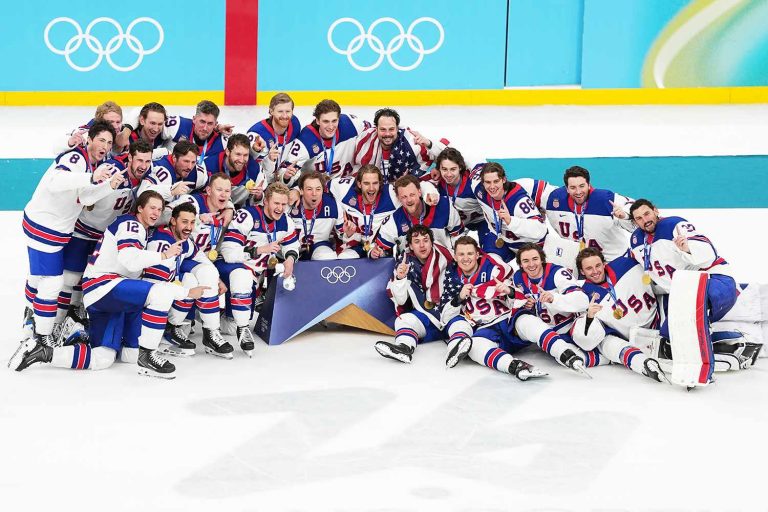
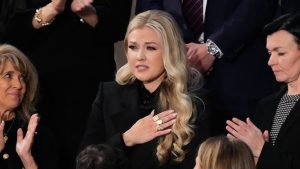
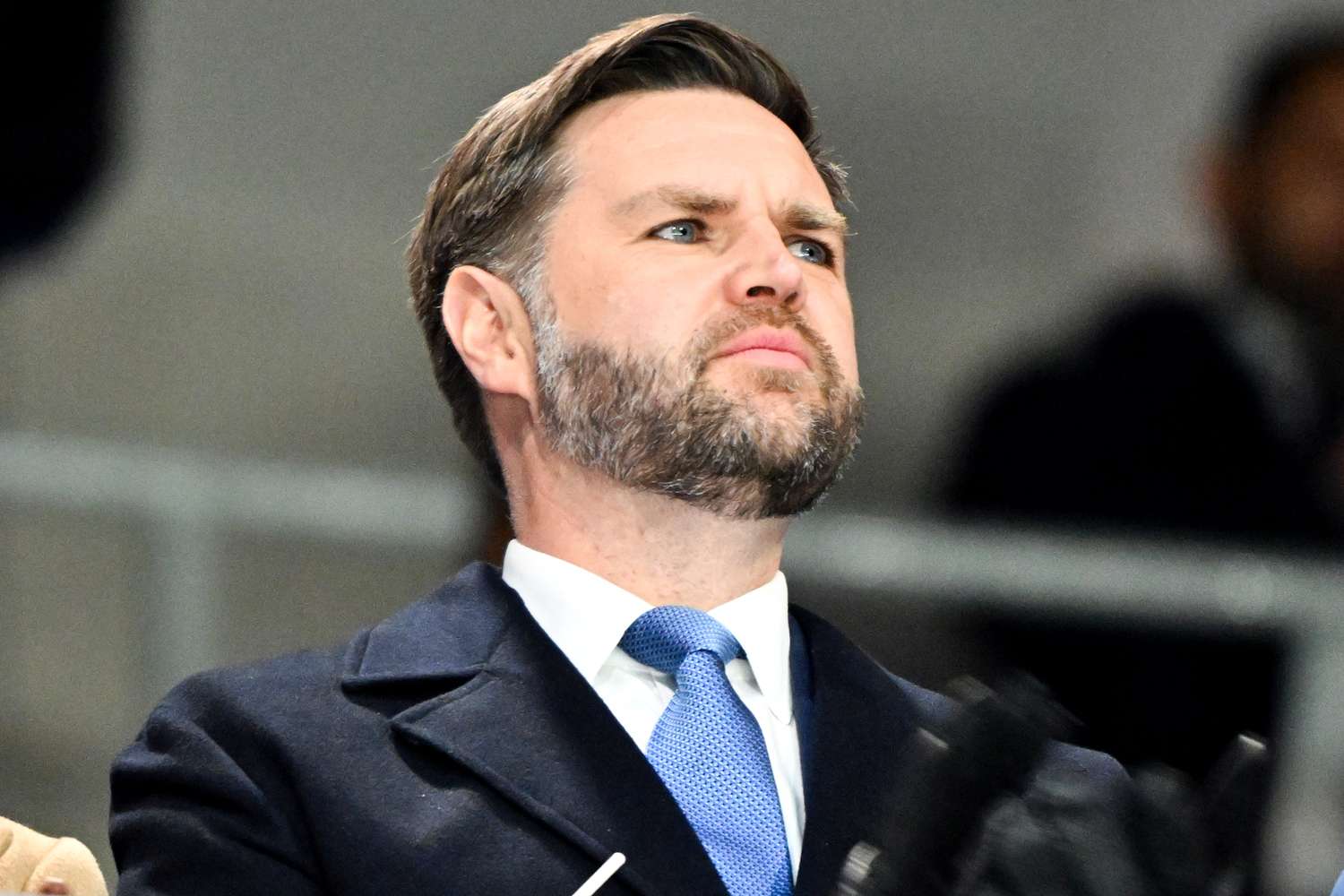
The opening ceremony of the Winter Olympics in Milan took an unexpected turn when JD Vance and his wife, Usha Vance, were met with loud boos from segments of the crowd, underscoring how deeply polarized American politics are spilling over into international sporting events. What was intended as a ceremonial celebration of athletic excellence quickly became a moment of political tension, drawing global attention and sparking conversations about the intersection of sport, representation, and domestic politics.
The couple’s reception came as they attended the ceremony to support U.S. Olympians competing in the Games. Instead of the applause typically reserved for American political figures abroad, the vice president faced a chorus of jeers and whistles, a reaction that commentators highlighted during the broadcast. A Canadian commentator from CBC remarked on the visible response, saying: “There’s the vice president, JD Vance… oops… those are not… eh, those are a lot of boos for him — whistling, jeering, some applause.”
Vance Responds: “Focus on Sport, Not Politics”
In response to the reception, Vance sought to address the situation publicly and advise U.S. athletes on navigating political scrutiny while competing. In interviews, he emphasized that Olympic participants should prioritize sport over activism, urging them to focus on representing their country and striving for excellence.
“You’re there to play a sport, and you’re there to represent your country and hopefully win a medal,” he said. “You’re not there to pop off about politics.”
He acknowledged that athletes sometimes make political statements at the Olympics, but he warned that such actions could provoke backlash both abroad and at home. Vance stressed that athletes should use their platform to bring Americans together rather than exacerbate divisions. “When you’re representing the country, you’re representing Democrats and Republicans,” he said. “Try to bring the country together instead of fueling partisan conflict.”
Athletes Speak Out on National Issues
Vance’s remarks follow several instances in which U.S. athletes have expressed discomfort or conflict about representing their country amid contentious domestic issues. Some athletes, including curler Richard Ruohonen, have openly critiqued U.S. policies in their home states. Ruohonen, from Minnesota, cited recent federal immigration enforcement actions as a source of concern, calling them “wrong” and inconsistent with the values of compassion, respect, and excellence that underpin the Olympic movement.
Similarly, freestyle skier Hunter Hess described mixed emotions about representing the United States. These statements reflect a broader trend in which athletes are increasingly willing to voice political and social concerns during international competitions. While some supporters applaud this transparency, critics argue that it risks detracting from the intended unity and neutrality of the Olympics.
Trump’s Reaction to Booing
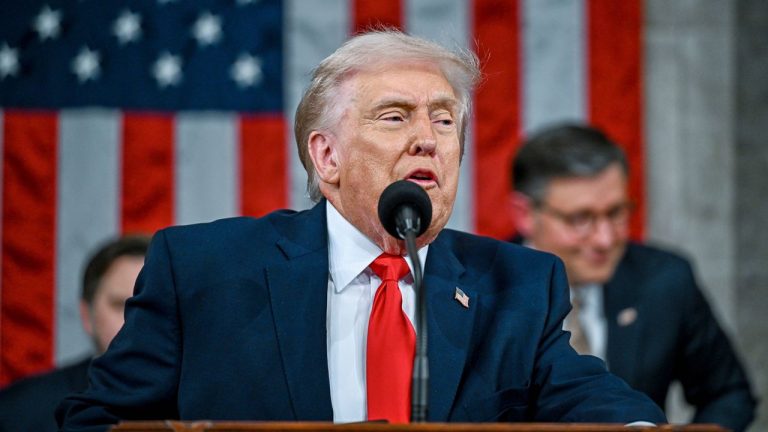
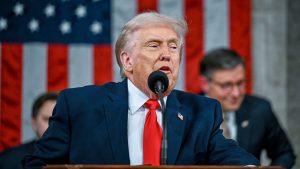
The booing incident also drew comments from Donald Trump, who expressed surprise and criticized the athlete who expressed ambivalence about representing the U.S. He labeled the athlete a “real loser” in a post on Truth Social, reflecting ongoing tensions between political leadership and individual expression in national representation.
Trump’s remarks highlight the extent to which domestic political narratives now permeate international events. The president expressed astonishment that the vice president would receive such a hostile reception abroad, noting that Vance “doesn’t get booed in this country.” The incident underscores how political polarization in the U.S. is being projected onto global stages, sometimes overshadowing the athletic performances themselves.
IOC Calls for Respect and Fair Play
The International Olympic Committee (IOC) moved quickly to stress the importance of unity and sportsmanship. IOC president Kirsty Coventry urged athletes, officials, and spectators to treat the opening ceremony as a moment for mutual respect, reminding all parties of the Games’ role in fostering international cooperation and friendly competition.
IOC spokesperson Mark Adams echoed these sentiments, noting that while the organization is largely focused on sport, it appreciates engagement from governments and officials supporting the Olympic movement. Adams praised the cheering for Team USA, describing it as a demonstration of fair play and the spirit of global athletic camaraderie.
The IOC emphasized that while political tensions are inevitable, the primary focus of the Games should remain on athletic performance and sportsmanship. This message is particularly relevant as the United States prepares to host the 2028 Summer Olympics in Los Angeles, where relations between the administration, athletes, and fans will again be scrutinized.
The Broader Context: Politics and Sports
The Milan incident reflects a growing pattern of political expression and controversy at global sporting events. Over recent Olympic cycles, athletes have increasingly used their visibility to comment on domestic and international issues, from racial justice to governmental policies. These actions have prompted debates about whether sports figures should be free to voice political opinions while representing their nations or whether such expressions risk undermining the unity of international competition.
Observers note that the Vance incident is emblematic of a tension between two competing expectations: that athletes serve as apolitical representatives of national pride, and that they maintain personal agency to advocate for social and political causes. For many athletes, the Olympics provide a rare platform to raise awareness about issues that directly impact their communities, yet the reception in Milan shows the potential cost of such expressions in terms of public backlash.
Public Reaction and Media Coverage
Social media responses to the incident were polarized. Some users defended the crowd’s reaction, arguing that political figures should expect scrutiny when attending high-profile international events. Others criticized the booing, asserting that the ceremony should have remained a neutral celebration of athletic achievement.
Media coverage in the U.S. and abroad highlighted both the boos and the vice president’s subsequent remarks, emphasizing how domestic political dynamics are now a fixture of Olympic reporting. Coverage often framed the episode as a cautionary tale for public officials and athletes alike, suggesting that actions and statements at international events can carry amplified political consequences back home.
Looking Ahead: Implications for Team USA
As the Winter Olympics continue, attention is likely to remain on the balance athletes strike between competition and expression. Any further politically charged moments could influence public perception, affect team morale, or even draw additional scrutiny from political leaders.
For Vance, the episode serves as a reminder of the precarious role political figures play when appearing at international events. His call for athletes to prioritize sport over political expression reflects both concern for national unity and an acknowledgment of the complexities faced by athletes navigating global stages amid intense domestic scrutiny.
Conclusion
The Milan Winter Olympics opening ceremony highlighted a stark reality: in an era of heightened political polarization, even international sporting events are not immune to domestic conflicts. The booing of JD Vance and the subsequent reactions from athletes, the IOC, and political leaders underscore the increasingly intertwined nature of politics and sports.
While the IOC emphasizes unity and fair play, the reception in Milan demonstrates that athletes, officials, and political figures must navigate a complex environment where representation, public opinion, and personal convictions intersect. For Team USA and the broader Olympic community, the events serve as a reminder that the Games are more than just athletic competition—they are a stage where the values, tensions, and dynamics of nations are on full display.
As the Winter Olympics unfold, the Milan episode will likely remain a reference point in discussions about how athletes, government officials, and spectators manage the fine line between sport and politics, and how international audiences interpret domestic disputes. In a year already marked by domestic tensions, the Olympics have proven to be both a celebration of excellence and a mirror reflecting the broader divisions within the United States.

Emily Johnson is a critically acclaimed essayist and novelist known for her thought-provoking works centered on feminism, women’s rights, and modern relationships. Born and raised in Portland, Oregon, Emily grew up with a deep love of books, often spending her afternoons at her local library. She went on to study literature and gender studies at UCLA, where she became deeply involved in activism and began publishing essays in campus journals. Her debut essay collection, Voices Unbound, struck a chord with readers nationwide for its fearless exploration of gender dynamics, identity, and the challenges faced by women in contemporary society. Emily later transitioned into fiction, writing novels that balance compelling storytelling with social commentary. Her protagonists are often strong, multidimensional women navigating love, ambition, and the struggles of everyday life, making her a favorite among readers who crave authentic, relatable narratives. Critics praise her ability to merge personal intimacy with universal themes. Off the page, Emily is an advocate for women in publishing, leading workshops that encourage young female writers to embrace their voices. She lives in Seattle with her partner and two rescue cats, where she continues to write, teach, and inspire a new generation of storytellers.