The House Judiciary Committee has released the full transcript and video of a closed-door deposition with former special counsel Jack Smith, offering a rare, detailed look at how the prosecutor viewed his now-dismissed cases against President Donald Trump and the investigative decisions that fueled intense political backlash.
The materials, made public Wednesday, stem from a Dec. 17 interview in which Smith was questioned extensively by the Republican-led committee about his prosecution strategy, his belief in the strength of the evidence against Trump, and allegations that his office improperly subpoenaed the phone records of Republican lawmakers.
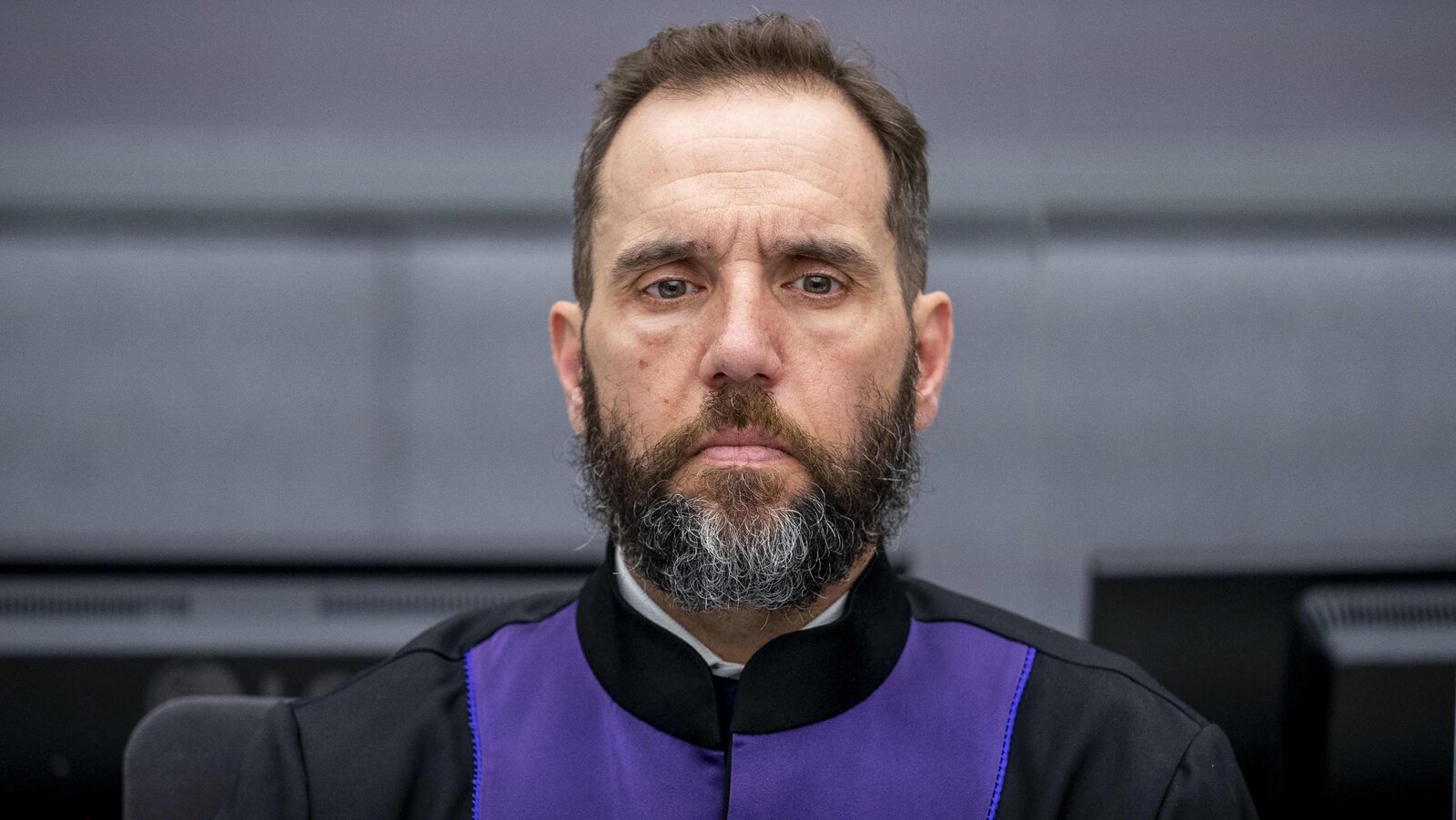
Former special counsel Jack Smith appears during a House Judiciary Committee deposition in December
A Rare Glimpse Inside the Trump Investigations
The transcript shows Smith standing firmly by the cases he brought while acknowledging that both prosecutions ultimately ended without a verdict. He told lawmakers that, in his view, the evidence developed by his team met the highest legal standard required for conviction.
“You just made some pretty definitive statements about your belief that President Trump was guilty of these charges. Is that correct?” House Judiciary Committee Chairman Jim Jordan, R-Ohio, asked during the interview.
“Yes,” Smith replied. “I believe we had proof beyond a reasonable doubt in both cases.”
The comment quickly emerged as one of the most striking moments of the deposition, underscoring how strongly the former special counsel still believes in the legal merits of prosecutions that were dropped following Trump’s reelection.
Two Cases, One Central Figure
Smith was appointed special counsel to oversee two separate federal cases involving Trump. One focused on allegations that Trump unlawfully sought to overturn the results of the 2020 presidential election. The other accused him of illegally retaining classified documents at his Florida residence after leaving the White House.
Trump pleaded not guilty in both cases and repeatedly argued that the prosecutions were politically motivated efforts to damage his campaign and prevent him from returning to office.
In the deposition, Smith rejected that characterization, insisting that politics played no role in his decisions.
“The decision to bring charges against President Trump was mine,” he said, adding that the charges were based on evidence gathered through grand jury proceedings in two separate federal districts.
Claims of Overwhelming Evidence
According to the transcript, Smith told lawmakers that his investigation into the 2020 election produced what he described as “powerful evidence” of a criminal scheme aimed at blocking the lawful transfer of power.
“Our investigation developed proof beyond a reasonable doubt that President Trump engaged in a criminal scheme to overturn the results of the 2020 election,” Smith said during the interview.
He made similar claims regarding the classified documents case, stating that investigators found strong evidence Trump retained sensitive materials after leaving office in 2021.
Those assertions are likely to intensify partisan debate, as supporters of Trump argue the cases never should have been brought, while critics say the absence of a trial leaves critical questions unanswered.
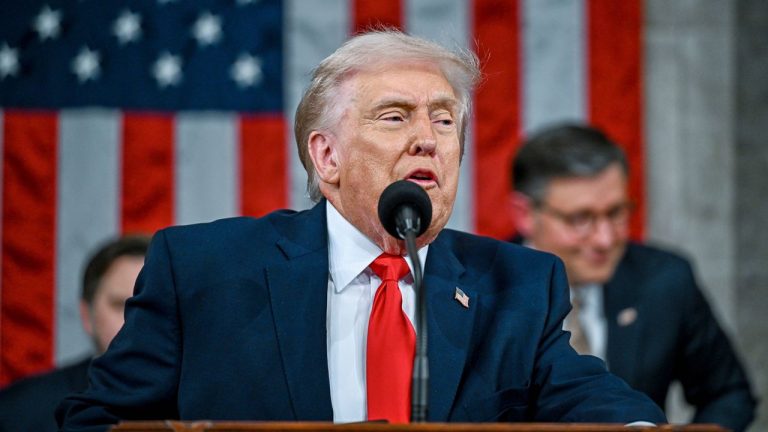
Video still from the released deposition footage provided by the House Judiciary Committee
Why the Cases Were Dropped
Smith addressed why neither case proceeded to trial, pointing to long-standing Justice Department policy discouraging the prosecution of a sitting president.
In January, weeks before Trump was sworn in for a second term, Smith released a report defending his work and explaining that the charges were dropped not because of weak evidence, but because of institutional constraints.
During the deposition, he reiterated that view, saying the policy forced an end to the cases despite his continued belief in their strength.
Republican lawmakers, however, have argued that the prosecutions collapsed because they were legally flawed from the start.
https://www.youtube.com/watch?v=lR-bhPzQYUE
Lawmakers Press on Subpoena Controversy
A significant portion of the deposition focused on allegations that Smith’s team subpoenaed phone records belonging to Republican lawmakers as part of the Trump investigations, a move that has drawn sharp criticism on Capitol Hill.
At one point, an unidentified lawmaker accused Smith of sidestepping constitutional protections for members of Congress.
“When it comes to Members of Congress, though, there are, you know, the Speech or Debate protections, which you totally sidestepped,” the lawmaker said.
Smith pushed back, stating that his office took those protections seriously and sought internal approval before issuing any subpoenas.
“When we sought these subpoenas, we got approval from Public Integrity,” Smith said, referring to the Justice Department’s Public Integrity Section. “They concurred in us getting these subpoenas.”
Disagreement Over Constitutional Protections
That explanation did not satisfy all lawmakers present. According to the transcript, one member responded by saying the committee had reviewed internal communications and strongly disagreed with the Justice Department’s interpretation of the Speech or Debate Clause.
“And we saw some of that email traffic,” the lawmaker said, “and I would respectfully disagree with their view of the Speech or Debate law, as you might imagine.”
The dispute highlights a broader constitutional clash between Congress and federal prosecutors over how far criminal investigations can reach when lawmakers are involved.
Capitol Hill offices as lawmakers debate oversight of federal investigations
Which Lawmakers Were Affected
Several Republican lawmakers have publicly confirmed that their phone records were subpoenaed during Smith’s investigations. Those include Sens. Marsha Blackburn of Tennessee, Bill Hagerty of Tennessee, Rick Scott of Florida, Lindsey Graham of South Carolina, Josh Hawley of Missouri, Tommy Tuberville of Alabama, Ron Johnson of Wisconsin, Dan Sullivan of Alaska, and Cynthia Lummis of Wyoming.
Rep. Mike Kelly of Pennsylvania was also among those affected.
Sen. Chuck Grassley, R-Iowa, said at an Oct. 29 news conference that the subpoenas appeared to be part of a broader effort to investigate Republican political activity.
“Contrary to what Jack Smith has said publicly, this was clearly a fishing expedition,” Grassley said at the time.
Republicans Frame a Broader Pattern
Republican lawmakers have argued that the subpoenas, combined with the Trump prosecutions, demonstrate what they describe as an effort to weaponize the Justice Department against political opponents.
Grassley accused Smith’s team of attempting to “improperly investigate the entire Republican political apparatus,” a claim Smith flatly denies.
In the deposition, Smith maintained that every investigative step was taken in accordance with the law and existing DOJ procedures.
Political Fallout of the Release
The public release of the transcript and video comes as congressional Republicans continue aggressive oversight of the Justice Department and as Trump’s second term begins under intense scrutiny.
For Trump allies, Smith’s statements reinforce their argument that the former special counsel was personally invested in convicting the president. For Trump critics, the deposition underscores what they see as unresolved accountability for alleged misconduct.
The materials are likely to be cited repeatedly in future hearings, campaign messaging, and legal commentary, ensuring that the Trump investigations remain a live political issue despite the cases being formally closed.
An Unfinished Legal Debate
While Smith’s tenure as special counsel has ended, the questions raised by his deposition are far from settled. The transcript reveals a prosecutor convinced of his case, lawmakers deeply skeptical of his methods, and a legal system constrained by precedent and politics.
As Congress continues to probe the Justice Department and the public digests the newly released material, the clash between law enforcement authority and political power shows no sign of fading.

Emily Johnson is a critically acclaimed essayist and novelist known for her thought-provoking works centered on feminism, women’s rights, and modern relationships. Born and raised in Portland, Oregon, Emily grew up with a deep love of books, often spending her afternoons at her local library. She went on to study literature and gender studies at UCLA, where she became deeply involved in activism and began publishing essays in campus journals. Her debut essay collection, Voices Unbound, struck a chord with readers nationwide for its fearless exploration of gender dynamics, identity, and the challenges faced by women in contemporary society. Emily later transitioned into fiction, writing novels that balance compelling storytelling with social commentary. Her protagonists are often strong, multidimensional women navigating love, ambition, and the struggles of everyday life, making her a favorite among readers who crave authentic, relatable narratives. Critics praise her ability to merge personal intimacy with universal themes. Off the page, Emily is an advocate for women in publishing, leading workshops that encourage young female writers to embrace their voices. She lives in Seattle with her partner and two rescue cats, where she continues to write, teach, and inspire a new generation of storytellers.