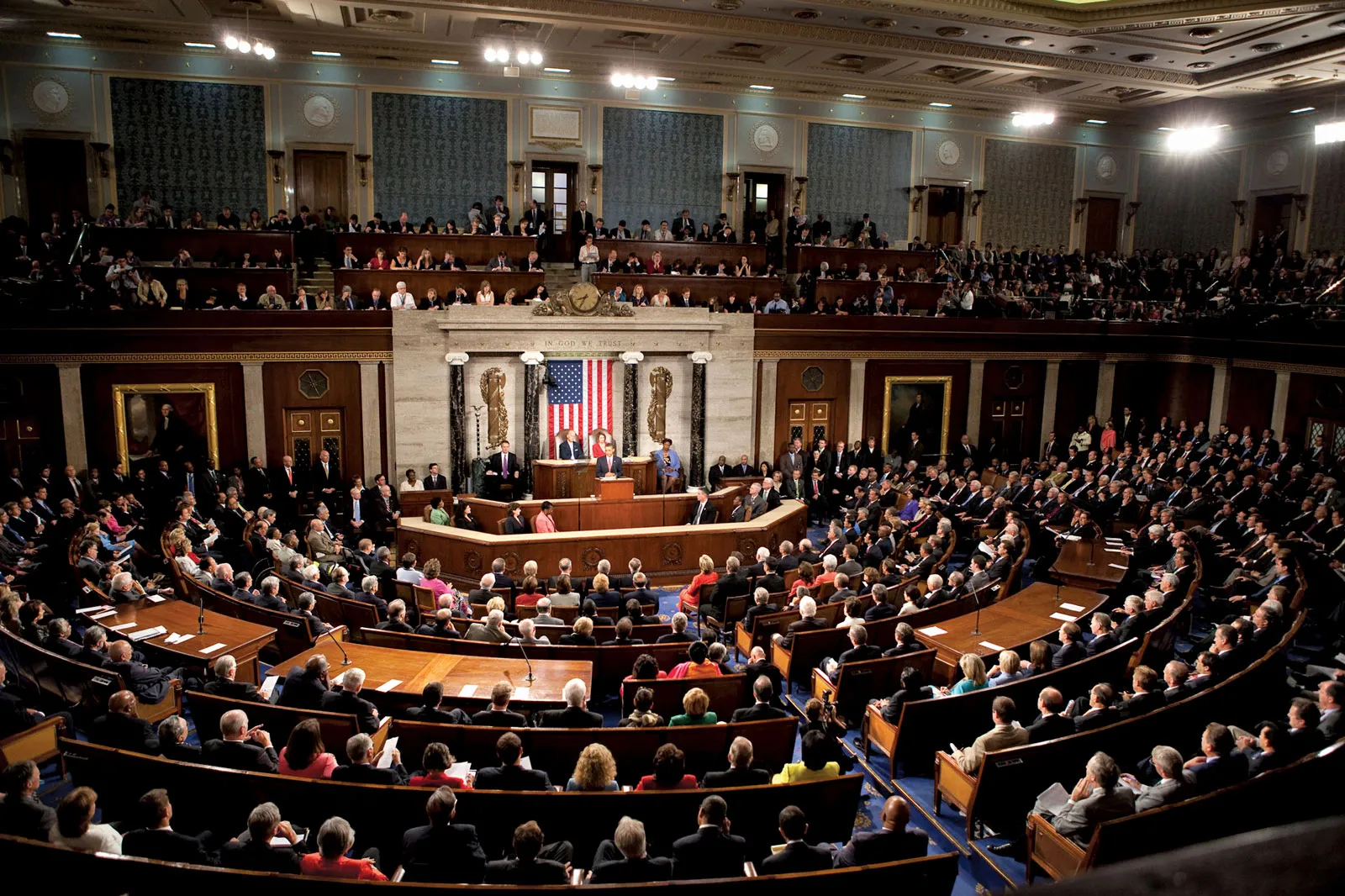
A closely divided vote in the House of Representatives this week has once again placed Congress at the center of one of the most contentious social debates in the country. Lawmakers spent hours arguing over the proper role of government in medical decision-making for children, the boundaries of parental authority, and how far federal law should go in regulating emerging health practices.
The debate unfolded against a backdrop of intense national polarization, with advocates on both sides framing the issue in stark moral terms. Supporters described the legislation as a necessary safeguard for minors, while opponents warned of sweeping consequences for families, physicians, and vulnerable communities.
As emotions ran high on the House floor, the vote underscored how deeply divided Congress remains on questions involving health care, civil liberties, and the rights of children.
A Charged Atmosphere on Capitol Hill
The session leading up to the vote was marked by impassioned speeches and pointed rhetoric. Lawmakers cited personal experiences, professional testimony, and sharply contrasting interpretations of medical science. For some, the issue was framed as a matter of protecting children from irreversible decisions. For others, it was portrayed as government overreach into private medical care.
The narrow margins reflected that tension. Members crossed party lines on both sides, a relatively rare occurrence in recent years, suggesting that the issue does not fall neatly along traditional ideological boundaries.
Observers noted that the debate echoed similar legislative battles taking place in statehouses across the country, where lawmakers have wrestled with how to regulate medical treatments related to gender identity among minors.
Competing Views on Child Welfare
At the heart of the discussion was a fundamental disagreement about what constitutes protection versus harm. Supporters of the bill argued that minors lack the capacity to consent to medical interventions they believe carry permanent consequences. They framed the legislation as a preventive measure designed to give children time to mature without pressure from adults or institutions.
Opponents countered that such an approach ignores the realities faced by some families and young patients. They argued that medical decisions should be guided by doctors, parents, and evidence-based standards of care rather than by criminal law.
Throughout the debate, both sides repeatedly invoked the concept of children’s well-being—though they differed sharply on how best to define and defend it.
The Role of Federal Authority
Another central theme was federal power. Some lawmakers raised concerns about whether Congress should legislate in an area traditionally overseen by states and medical boards. Questions about the commerce clause, federal jurisdiction, and constitutional limits surfaced repeatedly during floor discussions.
Several members argued that federal intervention was necessary to create uniform standards nationwide, particularly as families move across state lines. Others warned that such an approach risks setting precedents that could extend federal criminal law into other areas of health care.
These constitutional questions added a layer of complexity to a debate already shaped by moral, medical, and cultural disagreements.
The Vote and What It Means
Only after extended debate did the House take its final vote. The bill passed by a slim margin, sending it to the Senate for consideration and setting the stage for another round of intense scrutiny.
The legislation, formally titled the Protect Children’s Innocence Act, would criminalize certain medical treatments related to gender transition for individuals under the age of 18. Under the bill, violations could result in substantial fines, prison sentences of up to 10 years, or both.
While the measure applies broadly, it includes exemptions for minors who medically require treatment for conditions such as precocious puberty, provided the intent is to normalize natural development rather than alter it.
Supporters Frame the Bill as a Safeguard
Proponents of the legislation characterized the House vote as a decisive step toward protecting minors from what they view as experimental or irreversible medical interventions. They argued that the federal government has a responsibility to intervene when vulnerable populations are at risk.
Several supporters emphasized that the bill does not target adults and does not prohibit counseling or non-medical support. Instead, they said, it focuses narrowly on medical procedures and drugs they believe carry long-term consequences.
For these lawmakers, the bill represents a moral line in the sand—one that prioritizes caution and restraint when it comes to children’s health.
Critics Warn of Far-Reaching Consequences
Opponents, however, described the legislation in far more dire terms. They warned that criminal penalties could deter doctors from providing care, even in complex or ambiguous medical situations. Some expressed concern that parents could face legal risk for following medical advice they believe is in their child’s best interest.
Democratic lawmakers and advocacy groups argued that the bill could have a chilling effect on health care more broadly, pushing decisions out of doctors’ offices and into courtrooms. They also raised alarms about the mental health implications for transgender youth who may lose access to treatments their families and physicians consider necessary.
In their view, the bill represents an unprecedented intrusion into private medical decisions and could set a troubling precedent.
Amendments and Internal Disagreements
The bill’s path through the House was not without internal conflict. In the days leading up to the vote, an amendment was proposed that would have taken a different approach—cutting off federal funding to providers rather than imposing criminal penalties.
Supporters of the original bill rejected that strategy, arguing that financial penalties alone would not be sufficient to deter practices they believe are harmful. Ultimately, the amendment was withdrawn to maintain party unity and avoid confusion over the bill’s intent.
The episode highlighted disagreements even among lawmakers who broadly support restrictions on transgender-related treatments for minors, underscoring the complexity of crafting legislation in this area.
A Broader National Context
The House vote does not occur in isolation. Across the country, courts, medical associations, and state legislatures continue to grapple with how to address gender-related care for minors. Lawsuits challenging similar measures are already working their way through the judicial system, and medical experts remain divided over best practices.
Public opinion on the issue is similarly fragmented, with polls showing deep divisions along political, generational, and cultural lines. For many Americans, the debate touches on deeply held beliefs about identity, family, and the role of government.
As a result, the legislation’s progress through the Senate is likely to be closely watched—not only for its immediate outcome, but for what it signals about the direction of national policy.
What Comes Next
With the bill now headed to the Senate, its future remains uncertain. Senate leaders have not yet indicated whether the measure will be taken up quickly, amended, or set aside. Even if it advances, it could face legal challenges should it become law.
Meanwhile, the sponsor of the legislation, Rep. Marjorie Taylor Greene, is preparing to leave Congress early next year. Her impending resignation adds another layer of significance to the bill, which supporters view as a capstone to her legislative efforts.
Regardless of the outcome, the House vote ensures that the debate over transgender-related medical care for minors will remain at the forefront of American politics. As lawmakers, courts, and families continue to wrestle with these questions, the issue shows no sign of fading from the national conversation.