


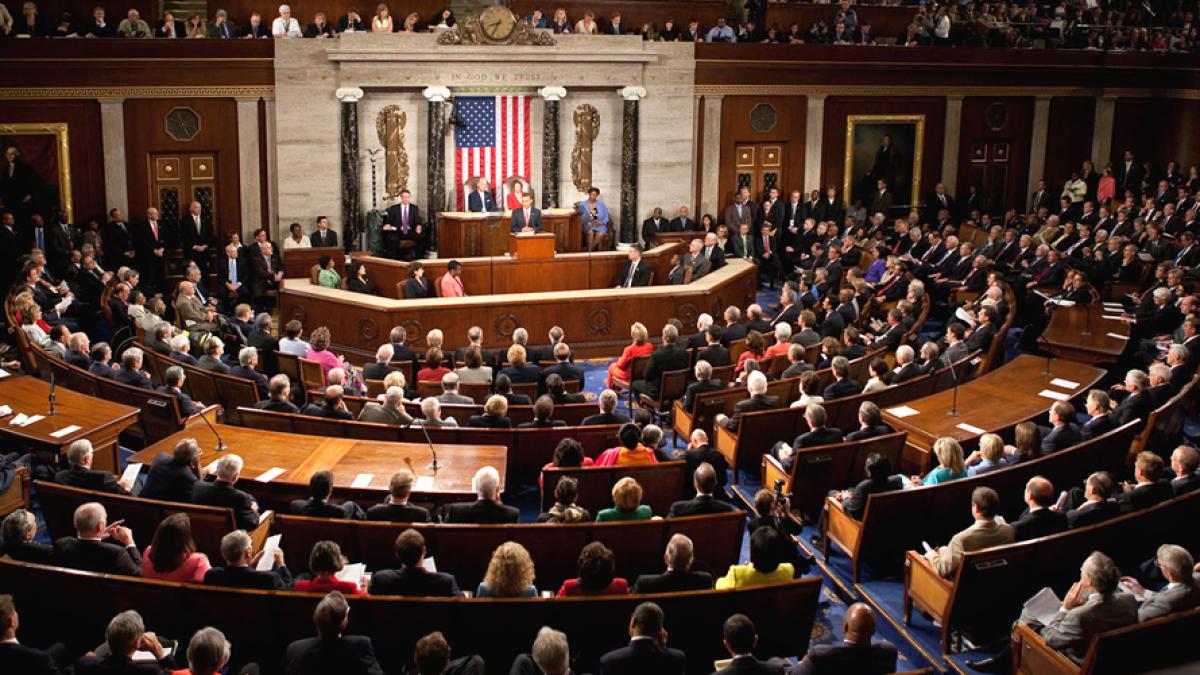
The U.S. House of Representatives has passed H.R. 6945, the Supporting Pregnant and Parenting Women and Families Act, with a closely divided vote of 215–209. Sponsored by Rep. Michelle Fischbach (R‑MN) and co‑sponsored by several members of the House Ways and Means Committee, the bill aims to amend part A of Title IV of the Social Security Act to clarify and expand the authority of states to use federal funds in support of pregnancy resource centers and related services. The legislation has emerged as a significant piece of social policy, reflecting ongoing debates about family support, federal-state funding priorities, and the role of pregnancy centers in serving families experiencing unplanned pregnancies.
Provisions and Objectives of the Bill
Under current law, states receive block grants through Temporary Assistance for Needy Families (TANF). These grants are intended to help families achieve economic self-sufficiency and can be used to fund a broad range of services, including job training, childcare, and educational programs. H.R. 6945 explicitly confirms that states may also use these funds to support pregnancy centers, making clear that federal agencies should not interpret existing regulations in a manner that limits this flexibility.
The services eligible for TANF funding under the bill include pregnancy testing and counseling, prenatal and parenting education, material assistance such as diapers and baby clothing, and relationship or family support services. Supporters of the bill emphasize that these resources are intended to help women, men, and families navigate the challenges of unplanned pregnancies, providing essential support to ensure that parents and children have access to needed care and education.
Proponents argue that clarifying the eligibility of pregnancy centers for TANF funding strengthens families by giving states additional tools to help parents build stability and economic security. They contend that pregnancy centers often serve populations that may not otherwise access traditional social services and provide a variety of programs that promote the well-being of children and families. By allowing TANF funds to explicitly support these services, states would have the flexibility to direct resources where they believe they are most effective.
Opposition and Concerns
Critics of the measure, however, have raised concerns about the intersection of federal funding and organizations that may hold specific ideological positions regarding reproductive health. Some reproductive rights advocates argue that the bill could potentially direct public funds to centers that offer counseling or services aimed at discouraging abortion or promoting particular policy positions. They contend that using TANF funds in this manner may blur the line between social services funding and support for organizations with explicit policy agendas.
Opponents also warn that the legislation could contribute to a broader pattern of federal policy alignment with organizations whose views may not reflect the diverse needs of families and individuals across the country. They argue that the allocation of public resources should remain neutral with respect to ideological or religious beliefs, emphasizing that families seeking support should have access to unbiased services.
Supporters respond that the bill does not require states to fund any particular organization and that states retain discretion to determine how TANF funds are used. They note that many pregnancy centers provide non-ideological services, including material support, educational programs, and counseling, and argue that these services directly contribute to economic self-sufficiency and family stability.
Vote and Partisan Breakdown
The House vote was largely split along party lines, reflecting broader political divisions on issues relating to family support, reproductive rights, and federal funding priorities. Among the 215 “Yea” votes, 214 came from Republican members, with one Democrat, Rep. Henry Cuellar of Texas, joining in support. The 209 “Nay” votes were almost exclusively cast by Democrats. At least seven members did not participate in the vote.
The partisan split underscores the continuing debate in Congress over the appropriate role of the federal government in directing resources to support families and whether federal funding should be explicitly tied to organizations that may hold particular policy stances. Republicans framed the legislation as a common-sense measure to strengthen family support programs and ensure that pregnancy centers have access to funding streams that help them serve parents and children. Democrats largely expressed concern that the measure could blur the lines between government support and ideological advocacy, raising questions about neutrality and equity in social service funding.
Next Steps in the Legislative Process
Following passage in the House, H.R. 6945 was sent to the Senate and referred to the Senate Finance Committee for further consideration. If the Senate approves the bill without amendment and the president signs it into law, the legislation would amend the Social Security Act to explicitly allow states to direct TANF funds to eligible pregnancy centers and programs. This change would formalize state authority, ensuring that federal agencies cannot reinterpret existing statutes in a way that limits funding for these services.
The bill’s journey through the Senate will be closely watched by both supporters and critics. Advocates for pregnancy centers have indicated that Senate approval would represent a critical step in expanding resources for families experiencing unplanned pregnancies, while reproductive rights groups are expected to continue voicing opposition to what they see as the potential for ideological influence over public funding.
Political and Policy Context
The passage of H.R. 6945 occurs amid broader discussions about family support policy, federal-state funding authority, and the role of pregnancy centers in the United States. These debates often intersect with larger conversations about reproductive rights, social service access, and the allocation of government resources to support vulnerable populations.
Supporters of the legislation argue that TANF funds should be flexible to meet the needs of families in the ways states deem most effective, and that pregnancy centers play an important role in providing education, counseling, and material support to parents and children. They contend that clarifying the law helps ensure these programs are not inadvertently restricted by federal interpretations or regulations that could limit state discretion.
Opponents counter that directing federal funds to centers that may hold ideological or policy positions on reproductive issues risks aligning public resources with particular viewpoints. They assert that federal support should remain neutral and accessible to all families, regardless of the positions held by service providers. The debate reflects broader tensions in U.S. social policy, where questions of funding priorities, state authority, and the separation of government support from ideological advocacy continue to shape legislative and public discussions.
Implications for Families and States
If enacted, H.R. 6945 would provide states with a clear legal framework to use TANF funds to support pregnancy and parenting services, potentially expanding access to counseling, educational programs, and material support for families. Advocates suggest that these services could improve outcomes for parents and children, particularly those facing unplanned pregnancies, by promoting economic self-sufficiency, healthy child development, and family stability.
At the state level, the bill reinforces flexibility, allowing governments to allocate resources in ways they believe will best support families. This could include partnerships with existing pregnancy centers, expansion of educational programming, or material assistance initiatives that directly benefit parents and children. For many supporters, the legislation represents an opportunity to strengthen safety nets for families while respecting state discretion and community-based approaches to social services.
Conclusion
The passage of H.R. 6945 in the House represents a significant step in the ongoing debate over family support, federal funding priorities, and the role of pregnancy centers in providing services to families. While the vote largely followed party lines, it highlights broader policy discussions about the intersection of public resources, state authority, and the ideological positions of organizations receiving federal support.
The bill now awaits consideration in the Senate, where its ultimate fate will determine whether the proposed amendments to the Social Security Act become law. If enacted, the legislation would formalize the ability of states to direct TANF funds to pregnancy centers, expanding support for families navigating unplanned pregnancies and clarifying the federal government’s role in overseeing these funding decisions.

Emily Johnson is a critically acclaimed essayist and novelist known for her thought-provoking works centered on feminism, women’s rights, and modern relationships. Born and raised in Portland, Oregon, Emily grew up with a deep love of books, often spending her afternoons at her local library. She went on to study literature and gender studies at UCLA, where she became deeply involved in activism and began publishing essays in campus journals. Her debut essay collection, Voices Unbound, struck a chord with readers nationwide for its fearless exploration of gender dynamics, identity, and the challenges faced by women in contemporary society. Emily later transitioned into fiction, writing novels that balance compelling storytelling with social commentary. Her protagonists are often strong, multidimensional women navigating love, ambition, and the struggles of everyday life, making her a favorite among readers who crave authentic, relatable narratives. Critics praise her ability to merge personal intimacy with universal themes. Off the page, Emily is an advocate for women in publishing, leading workshops that encourage young female writers to embrace their voices. She lives in Seattle with her partner and two rescue cats, where she continues to write, teach, and inspire a new generation of storytellers.