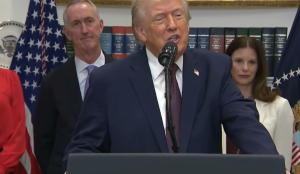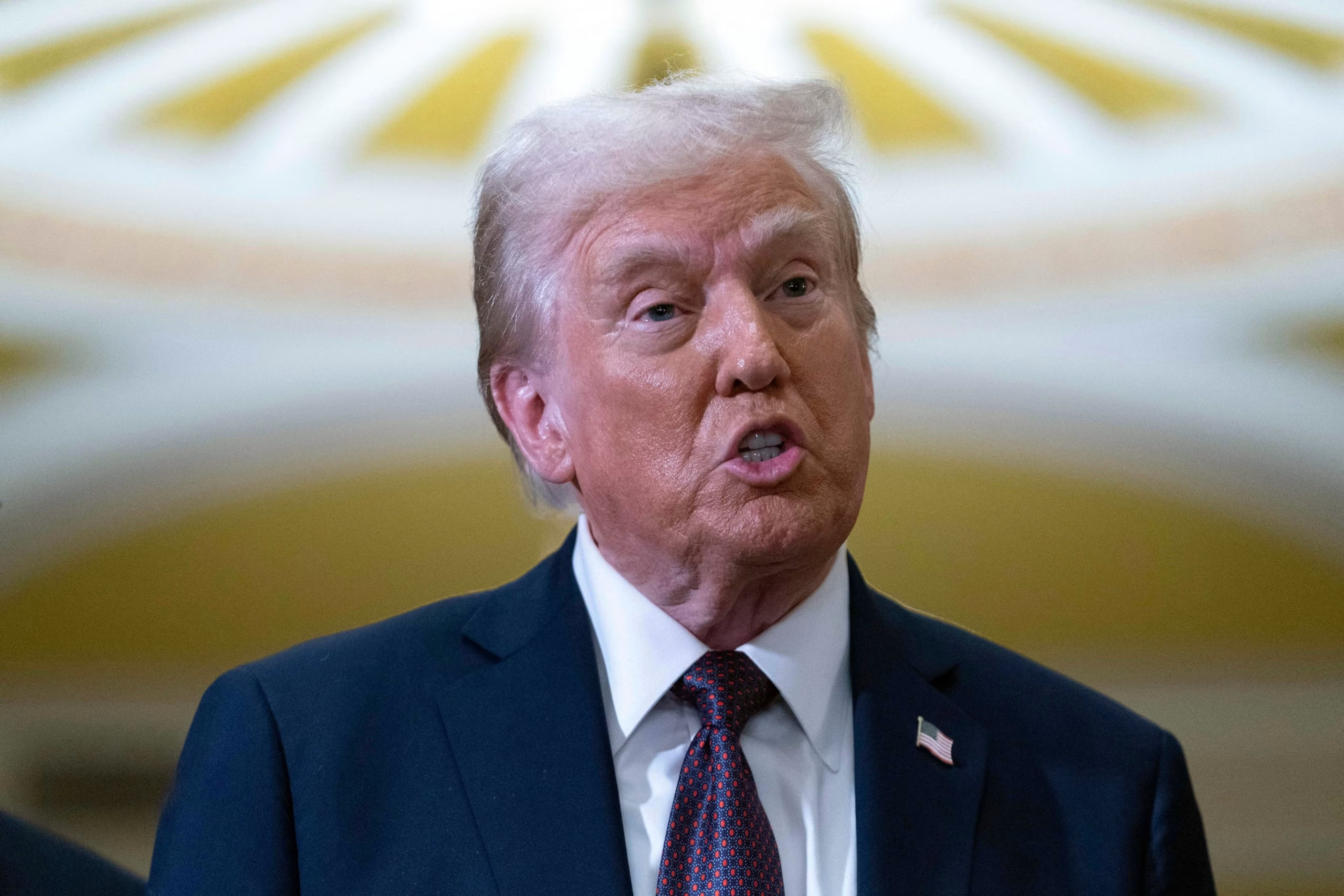
During a high-profile meeting with Israeli Prime Minister Benjamin Netanyahu at his Mar-a-Lago resort in Florida on Monday, U.S. President Donald Trump was captured on a hot microphone boasting about ending “eight wars” and expressing frustration that he had not received the 2025 Nobel Peace Prize. The remarks, which came as the two leaders discussed a peace plan involving Gaza, offered a rare glimpse into Trump’s own assessment of his foreign policy achievements and his ongoing efforts to secure recognition on the world stage.
According to witnesses, as the group sat down for a meal, Trump turned to Netanyahu and said, “Do I get credit for it? No,” before continuing, “How about India and Pakistan? So I did eight of them. And then I’ll tell you the rest of it.” The statements, caught by a hot mic, appeared to reflect the president’s pride in what he sees as his decisive role in resolving multiple international conflicts since returning to office in January 2025.
Trump’s comments come amid a long-running campaign to highlight his foreign policy successes, particularly those involving ceasefire negotiations and peace agreements around the globe. The president has frequently emphasized his involvement in easing tensions between Israel and Iran, as well as facilitating agreements between Cambodia and Thailand. While these efforts have been publicly documented to some degree, other claims made during the Mar-a-Lago meeting are less verifiable.
For instance, Trump claimed credit for resolving conflicts between India and Pakistan, although officials in New Delhi have not attributed any part of their recent ceasefire to U.S. intervention. Similarly, Trump’s references to conflicts in Congo and between Serbia and Kosovo appear to exaggerate or misrepresent the state of affairs in those regions. Analysts and foreign officials note that while the U.S. has occasionally played a diplomatic role, many of the situations cited by Trump have either seen little direct American involvement or remain unresolved.
Adding to the confusion during the meeting, the president reportedly conflated Armenia with Albania while discussing his efforts to ease tensions between Azerbaijan and its neighbors. This mistake prompted quiet amusement among some European and international officials familiar with the situation. Despite these errors, Trump continued to stress what he perceives as his central role in global peace initiatives, emphasizing that he believed the efforts merited the Nobel Peace Prize.
Netanyahu, who had nominated Trump for the 2025 Nobel Peace Prize in June, appeared to listen attentively as the president outlined his accomplishments. The nomination reflected Netanyahu’s assessment that Trump’s actions had contributed to regional stability, at least in part. The Israeli prime minister has maintained a close relationship with Trump throughout his presidency and has often publicly acknowledged the president’s involvement in Middle East peace efforts.
While Trump has touted his role in brokering ceasefires and other diplomatic achievements, independent verification of some claims is limited. Observers note that several of the conflicts the president references, such as military tensions in Congo or between Serbia and Kosovo, do not align with reports from international monitors or news organizations. Similarly, the assertion that he had “ended eight wars” in a single year is difficult to substantiate given ongoing hostilities in multiple regions.
Despite the controversies and factual uncertainties surrounding some of Trump’s claims, the 2025 Nobel Peace Prize was awarded to Venezuelan opposition leader María Corina Machado. Machado, 58, was recognized for her work promoting democratic rights and advocating for a peaceful transition from dictatorship to democracy in Venezuela. She has spent years opposing the Venezuelan government and living in exile due to threats against her safety.
Machado dedicated her award to Trump, praising his administration for its efforts to weaken the Venezuelan regime and assist in her safe relocation to Oslo, Norway, where she accepted the prize. She highlighted the Trump administration’s role in supporting Venezuelan democracy activists and facilitating her travel to the ceremony, noting that his actions contributed to creating a safer environment for opposition leaders. In her acceptance speech, Machado lauded Trump as having taken decisive steps that “made the Venezuelan regime weaker than ever,” framing the award as both a personal recognition and a tribute to international support for human rights.
The hot mic incident underscores the ongoing tension between Trump’s public statements and the verifiable outcomes of U.S. foreign policy. While the president has successfully mediated certain ceasefire agreements, some of his broader claims about ending wars and resolving conflicts are harder to confirm. Political analysts have noted that Trump’s tendency to conflate events or exaggerate his role in global affairs is consistent with previous patterns observed throughout his political career.
At the same time, Trump’s focus on the Nobel Peace Prize reflects his longstanding desire for international recognition and symbolic validation of his foreign policy record. The prize, awarded annually by the Norwegian Nobel Committee, has historically recognized leaders who contribute significantly to global peace and conflict resolution. Trump’s public frustration about not receiving the award highlights his awareness of the symbolic weight it carries and his desire to shape the narrative surrounding his accomplishments on the world stage.
The Mar-a-Lago remarks also illuminate the ways in which Trump manages his public image, often using informal settings and personal interactions to communicate key messages. While the president regularly employs social media platforms such as Truth Social to broadcast achievements and criticisms, moments like the hot mic incident provide a more unfiltered look at his perspective. Analysts suggest that these unscripted comments can have significant political ramifications, influencing both domestic perceptions and international diplomacy.
Observers note that Trump’s approach to foreign policy communication—combining public announcements, direct diplomacy, and personal storytelling—differs from traditional presidential norms. By emphasizing his personal involvement in conflict resolution and peace negotiations, he seeks to reinforce his image as an indispensable actor on the global stage. The dedication of the Nobel Peace Prize by Machado, while symbolically significant, further amplifies this narrative, even as independent verification of some of his claims remains limited.
In conclusion, the hot mic moment at Mar-a-Lago offers a window into President Trump’s self-perception and his ongoing efforts to assert influence in international affairs. While the president can point to specific achievements, such as mediating ceasefires between Israel and Iran or Cambodia and Thailand, some of his broader assertions about ending multiple wars are more contentious and difficult to substantiate. The Nobel Peace Prize awarded to María Corina Machado adds an additional layer to the story, as her dedication of the prize to Trump underscores the symbolic impact of his foreign policy efforts, even if the scope of his influence remains subject to debate.
Overall, the incident highlights the intersection of politics, diplomacy, and personal ambition, illustrating how modern presidents navigate both international crises and domestic narratives to shape their legacies. As Trump continues his term, moments like these provide insight into his priorities, his communication style, and his enduring desire for recognition as a global peacemaker.

Emily Johnson is a critically acclaimed essayist and novelist known for her thought-provoking works centered on feminism, women’s rights, and modern relationships. Born and raised in Portland, Oregon, Emily grew up with a deep love of books, often spending her afternoons at her local library. She went on to study literature and gender studies at UCLA, where she became deeply involved in activism and began publishing essays in campus journals. Her debut essay collection, Voices Unbound, struck a chord with readers nationwide for its fearless exploration of gender dynamics, identity, and the challenges faced by women in contemporary society. Emily later transitioned into fiction, writing novels that balance compelling storytelling with social commentary. Her protagonists are often strong, multidimensional women navigating love, ambition, and the struggles of everyday life, making her a favorite among readers who crave authentic, relatable narratives. Critics praise her ability to merge personal intimacy with universal themes. Off the page, Emily is an advocate for women in publishing, leading workshops that encourage young female writers to embrace their voices. She lives in Seattle with her partner and two rescue cats, where she continues to write, teach, and inspire a new generation of storytellers.