



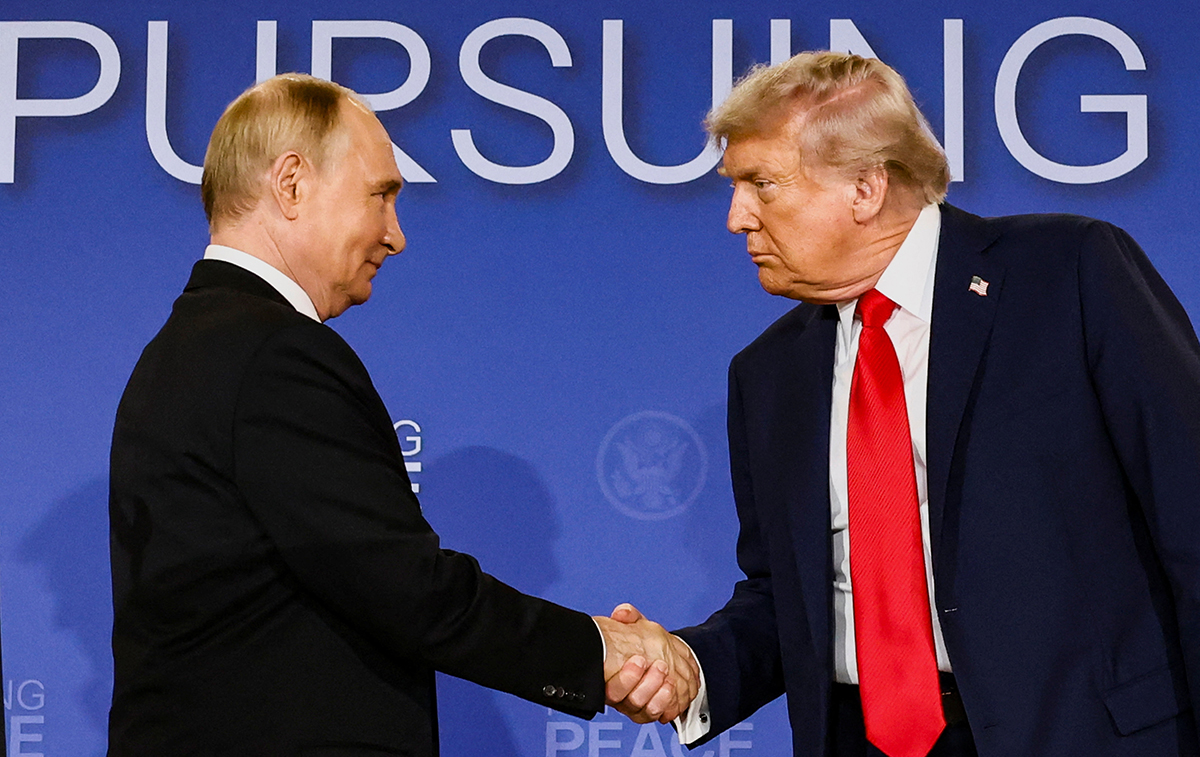
An unusual and embarrassing mishap overshadowed the lead-up to President Donald Trump’s high-stakes summit with Russian President Vladimir Putin in Anchorage, Alaska. Just hours before the two leaders convened to discuss pathways toward peace in Ukraine, an eight-page document containing internal planning details — including Trump’s intended gift for Putin and the planned lunch menu — was inadvertently left in a public printer at a downtown hotel.
According to NPR, which first reported the story, three guests staying at the Hotel Captain Cook discovered the documents after they had been left in a shared printer accessible to hotel visitors. Although the papers did not reveal classified or highly sensitive security information, they provided a behind-the-scenes glimpse into summit preparations and quickly went viral after the story was picked up by major outlets.
What the Documents Revealed
The documents included several noteworthy details. Among them was the revelation that Trump intended to present Putin with a symbolic gift: a desk statue of the American bald eagle, chosen as a gesture of respect and emblematic of U.S. strength.
Other pages laid out the proposed luncheon between the two presidents — a meal that was ultimately canceled. The planned menu featured filet mignon with brandy peppercorn sauce, halibut, a salad with champagne vinaigrette, and crème brûlée for dessert.
In addition, the papers contained a seating chart depicting a boardroom-style arrangement with Trump and Putin seated at the center. Expanded meeting notes included names and photos of U.S. and Russian officials slated to participate in broader talks. One particularly striking instruction directed staff to pronounce the Russian president’s name as “POO-tihn.”
Perhaps more concerning, the documents also listed personal contact numbers for three U.S. advance staffers responsible for organizing summit logistics. While the inclusion of staff phone numbers does not rise to the level of a security breach, analysts noted that the incident highlighted vulnerabilities in information handling at major diplomatic events.
White House Response
The White House quickly sought to downplay the episode. Deputy Press Secretary Anna Kelly characterized the situation as “a multi-page lunch menu accidentally left behind” and insisted that no sensitive intelligence had been compromised. Nonetheless, the optics of leaving official planning documents in a hotel printer just before one of the most consequential international meetings of the year drew widespread criticism.
Observers suggested the event underscores the importance of operational discipline in managing presidential travel and summit logistics. While such missteps may seem minor, they can erode public confidence and provide unnecessary fodder for critics at home and abroad.
Shift in Summit Plans
Interestingly, many of the events detailed in the printout never took place. The luncheon was scrapped, and other sessions were shortened or adjusted after Trump reportedly decided to abandon an immediate push for a cease-fire. Instead, he returned to Washington emphasizing optimism about negotiating a comprehensive peace deal.
Following the Alaska meeting, Trump posted an upbeat message on social media.
“A great and very successful day in Alaska! The meeting with President Vladimir Putin of Russia went very well, as did a late night phone call with President Zelenskyy of Ukraine, and various European Leaders, including the highly respected Secretary General of NATO,” Trump wrote.
He continued:
“It was determined by all that the best way to end the horrific war between Russia and Ukraine is to go directly to a Peace Agreement, which would end the war, and not a mere Ceasefire Agreement, which often times do not hold up.”
The president announced that Ukrainian President Volodymyr Zelensky will visit the White House on Monday to continue discussions. If progress is made, Trump indicated, a follow-up meeting with Putin could soon be scheduled in Washington.
Putin’s Remarks
At a joint press conference held at Joint Base Elmendorf–Richardson earlier in the day, Putin echoed Trump’s long-standing argument that the war in Ukraine would not have erupted had Trump been in office in 2020.
“I can confirm that,” Putin remarked when asked about Trump’s claim that former President Joe Biden’s handling of U.S.-Russia relations emboldened Moscow.
Trump has faced criticism for repeatedly asserting that Ukraine provoked the conflict and for accusing the Biden administration of failing to deter Russia’s aggression. His comments have been controversial, but they remain a core part of his narrative as he works to shape a new path for negotiations.
Looking Ahead
Despite the awkwardness of the Anchorage printer incident, the summit itself has injected new energy into international efforts to resolve the war in Ukraine. Trump’s emphasis on pursuing a binding peace agreement — rather than a temporary cease-fire — has resonated with some European leaders eager to see a permanent resolution.
Whether the optimism translates into concrete results will depend on the upcoming discussions with Zelensky and any follow-on engagements with Putin. For now, the world waits to see if the unusual episode of a misplaced menu and a prematurely revealed gift will become a mere footnote in what could prove to be a historic turning point in the war.
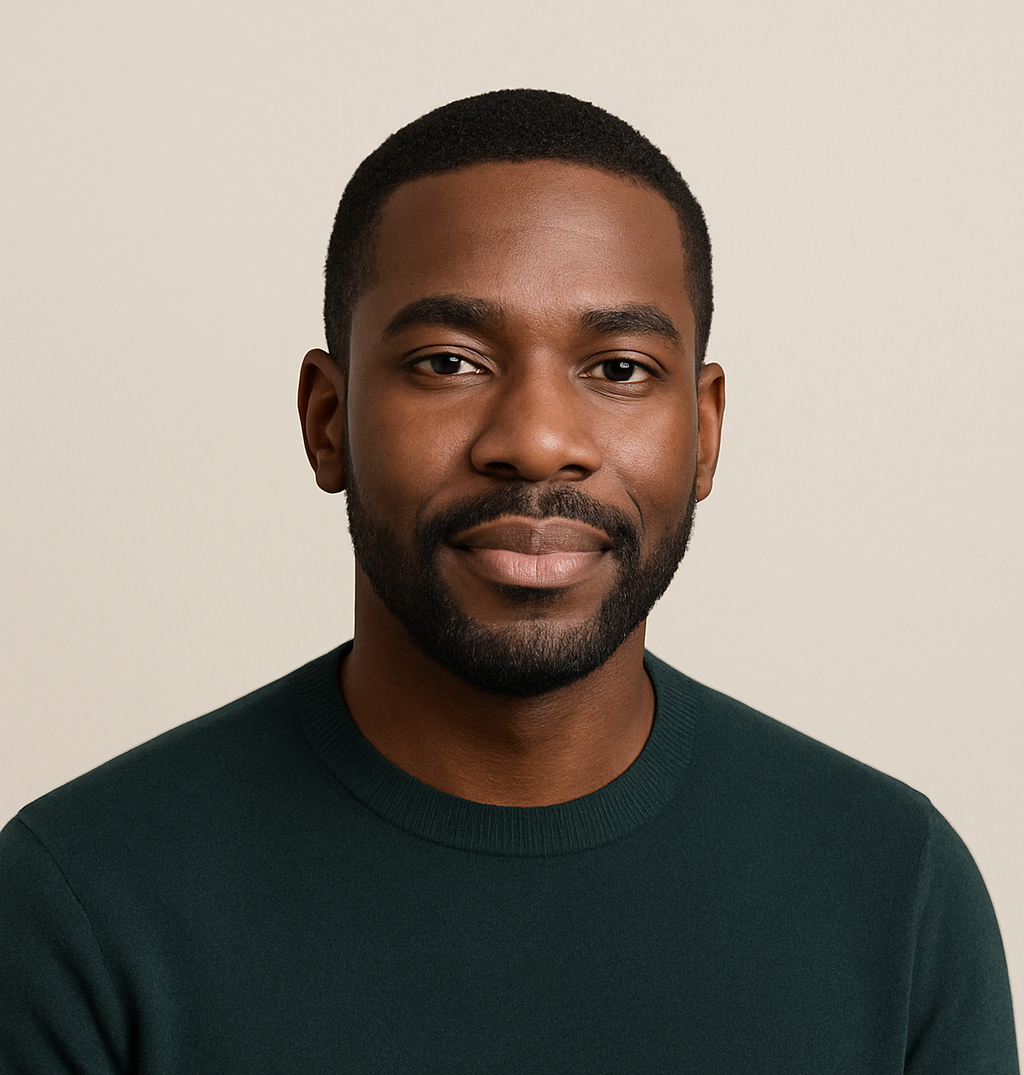
James Jenkins is a celebrated Pulitzer Prize-winning author whose work has reshaped the way readers think about social justice and human rights in America. Raised in Atlanta, Georgia, James grew up in a community that instilled in him both resilience and a strong sense of responsibility toward others. After studying political science and creative writing at Howard University, he worked as a journalist covering civil rights issues before dedicating himself fully to fiction. His novels are known for their sharp, empathetic portraits of marginalized communities and for weaving personal stories with broader political realities. Jenkins’s breakout novel, Shadows of Freedom, won national acclaim for its unflinching look at systemic inequality, while his more recent works explore themes of identity, resilience, and the fight for dignity in the face of oppression. Beyond his novels, James is an active public speaker, lecturing at universities and participating in nonprofit initiatives that support literacy and community empowerment. He believes that storytelling is a way to preserve history and inspire change. When not writing, James enjoys jazz music, mentoring young writers, and traveling with his family to explore cultures and stories around the world.




