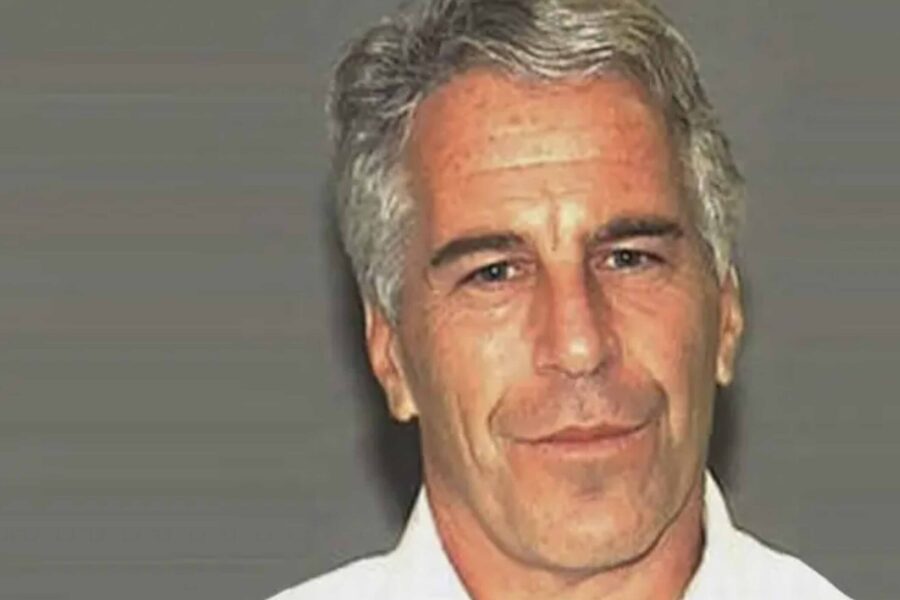
United States Attorney General Pam Bondi has confirmed that the Department of Justice has released the full cache of records connected to the investigation of financier Jeffrey Epstein. The announcement, delivered in a letter to Congress on February 14, comes after months of anticipation and speculation about what the material might reveal.
According to Bondi, the release comprises millions of emails, photographs, and other documents previously held by the DOJ. In total, the files reference 305 high-profile individuals, spanning politicians, celebrities, and other public figures. Bondi stressed that inclusion in the files does not indicate guilt or wrongdoing, emphasizing that the materials merely reflect those who were mentioned at least once during the investigation.
The Epstein Files Transparency Act and DOJ Compliance
The disclosure forms part of the administration’s response under the Epstein Files Transparency Act, legislation designed to ensure that records relating to Epstein’s criminal investigations are made publicly accessible. In her letter, Bondi outlined the comprehensive nature of the release, describing nine distinct categories of material.
These categories include:
-
Documents directly related to Jeffrey Epstein and his close associate, Ghislaine Maxwell.
-
Flight logs and travel records.
-
Individuals named in connection to Epstein’s criminal activities.
-
Corporate, nonprofit, academic, and governmental entities with links to Epstein.
-
Immunity agreements involving Epstein and his associates.
-
Internal Department of Justice communications regarding the case.
-
Communications concerning the destruction or mishandling of evidence.
-
Documentation of Epstein’s detention and death.
-
Supporting materials that contextualize the investigation’s findings.
Bondi underscored that “no records were withheld or redacted on the basis of embarrassment, reputational harm, or political sensitivity, including to any government official, public figure, or foreign dignitary.” The DOJ’s approach reflects a commitment to transparency while clarifying that being named in the files does not constitute evidence of criminal activity.
High-Profile Names Make Headlines
Among the hundreds of individuals named in the released files are some of the most globally recognized music stars. Icons across generations and genres were referenced in the documents, including:
-
Beyonce
-
Bono
-
Kurt Cobain
-
Michael Jackson
-
Mick Jagger
-
Janis Joplin
-
Bruce Springsteen
-
Barbara Streisand
The diversity of names illustrates the breadth of the investigation and the wide-ranging nature of the materials. While some of the musicians are deceased, their inclusion merely indicates that their names appeared in emails, correspondence, or records gathered by investigators. It is not a suggestion of wrongdoing or association with Epstein’s criminal activities.
The revelation has prompted widespread public discussion, with social media and news outlets dissecting the significance of the files. Many have emphasized the importance of interpreting the material with caution, given that appearance in the files is not an allegation of criminal behavior.
Public Reaction and Political Context
Bondi’s confirmation arrives amid a highly charged political and cultural climate, in which questions about accountability, transparency, and the reach of Epstein’s influence remain intensely topical. Lawmakers and advocacy groups have debated whether the release goes far enough, arguing for broader public access to records while balancing privacy concerns for innocent parties.
Supporters of the transparency effort have praised the DOJ’s release as a step forward. According to Bondi, the 305 named individuals represent a subset of the wider documents, which include millions of additional records. The DOJ maintains that the files meet all requirements set out under the Epstein Files Transparency Act, making the case a milestone in legislative oversight and government transparency regarding high-profile criminal investigations.
Clarifications from the Department of Justice
In conjunction with the release, the DOJ has provided detailed guidance to prevent misinterpretation. Key points include:
-
Inclusion in the files does not suggest criminal involvement. The files contain individuals mentioned within correspondence, documents, or other materials collected during the investigation.
-
The files are organized for public accessibility and to aid in scholarly and journalistic review.
-
Redaction or withholding occurred only in cases where national security, privacy, or procedural considerations demanded it — not for reputational reasons.
By emphasizing these points, the DOJ aims to mitigate misreadings and prevent the public from assuming guilt by association.
The Broader Implications
The release of the Epstein files underscores both the enduring public interest in Epstein’s network and the complexity of navigating high-profile investigations. The documents highlight the breadth of Epstein’s connections while simultaneously illustrating the necessity of careful legal and journalistic interpretation. For celebrities and politicians named in the files, the announcement represents a delicate balance between public curiosity and privacy concerns.
The inclusion of music legends and cultural icons has fueled online debate, with some commentators analyzing the historical and social context of the references, while others caution against drawing premature conclusions. Public attention has also turned toward the ongoing discussions about transparency in investigations involving powerful figures, as well as the mechanisms used by Congress and the DOJ to manage sensitive information.
Moving Forward
While the release of the Epstein files is a significant milestone, the implications for public perception remain fluid. Scholars, journalists, and legal experts continue to analyze the materials, emphasizing that inclusion does not equate to guilt or complicity. Lawmakers have acknowledged that additional oversight may be necessary to ensure proper understanding and usage of the files, particularly given the high-profile nature of many of the individuals named.
The DOJ’s actions mark a step in what is likely to be an ongoing conversation about accountability, transparency, and the influence of powerful figures in society. Bondi’s confirmation that “all of the Epstein files have been released” signals a commitment to public disclosure while underscoring the importance of responsible interpretation of the materials.
As the public and media continue to digest the files, the narrative surrounding Epstein’s network, his associates, and the individuals mentioned in correspondence is expected to evolve. The documents serve as both a historical record and a cautionary reminder of the legal and ethical complexities inherent in investigations of high-profile figures.

Emily Johnson is a critically acclaimed essayist and novelist known for her thought-provoking works centered on feminism, women’s rights, and modern relationships. Born and raised in Portland, Oregon, Emily grew up with a deep love of books, often spending her afternoons at her local library. She went on to study literature and gender studies at UCLA, where she became deeply involved in activism and began publishing essays in campus journals. Her debut essay collection, Voices Unbound, struck a chord with readers nationwide for its fearless exploration of gender dynamics, identity, and the challenges faced by women in contemporary society. Emily later transitioned into fiction, writing novels that balance compelling storytelling with social commentary. Her protagonists are often strong, multidimensional women navigating love, ambition, and the struggles of everyday life, making her a favorite among readers who crave authentic, relatable narratives. Critics praise her ability to merge personal intimacy with universal themes. Off the page, Emily is an advocate for women in publishing, leading workshops that encourage young female writers to embrace their voices. She lives in Seattle with her partner and two rescue cats, where she continues to write, teach, and inspire a new generation of storytellers.