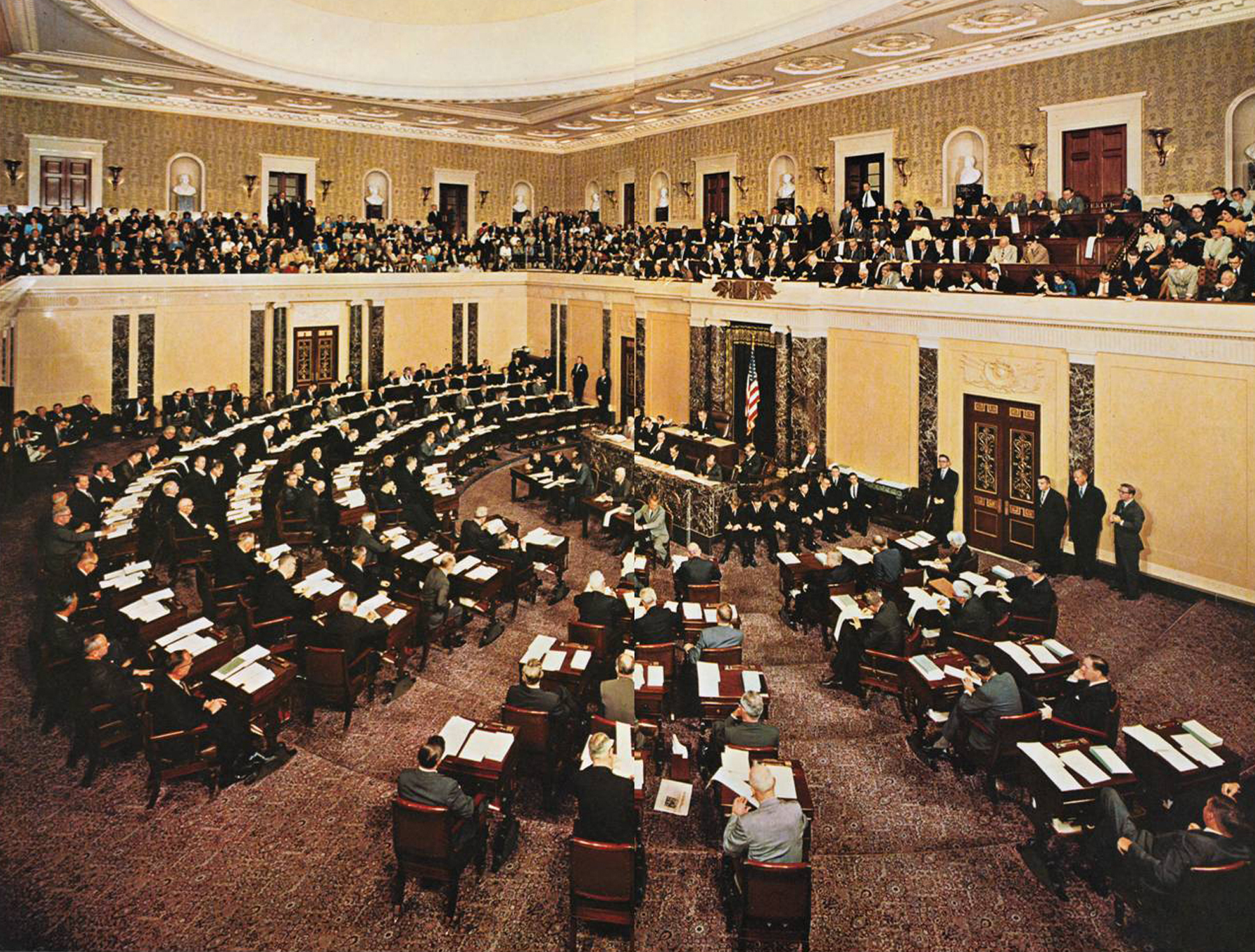
A significant development unfolded this week in the U.S. Senate as lawmakers wrestled with the question of congressional oversight of the president’s authority to use military force — a debate that grew even more intense after a recent foreign policy event involving Venezuela. What began as a procedural congressional vote has now morphed into a broader political confrontation involving party unity, presidential pressure, and shifting positions among Republican senators.
The controversy centers on a key vote in the Senate related to a war powers resolution introduced by lawmakers seeking to assert congressional authority over decisions about future military engagement. The resolution was designed to require explicit congressional approval before the president could engage in hostilities within or against Venezuela, a move that would limit unilateral executive action without legislative consent.
In an initial procedural vote, a small group of Republican senators crossed party lines to support the resolution alongside all Senate Democrats. That rare bipartisan cooperation was seen by many as a rebuke to the administration’s expansive view of presidential power, especially in the wake of a controversial military operation earlier this month that resulted in the capture of Venezuelan leader Nicolás Maduro without clear congressional authorization.
However, in a dramatic reversal during the final vote on the measure’s advancement, at least two Republican senators changed their position, effectively blocking the resolution and enabling its defeat. This turn of events came amid intense pressure from the White House and direct public criticism from the president, highlighting deep tensions within the GOP about how far lawmakers should push back against their own administration’s foreign policy.
The senator at the heart of this reversal is Josh Hawley (R-MO), a Republican who had initially surprised colleagues by voting to advance the resolution requiring congressional approval for future military actions related to Venezuela. In that first vote, he joined senators from both parties to allow debate on the measure, a move that drew immediate criticism from the president.
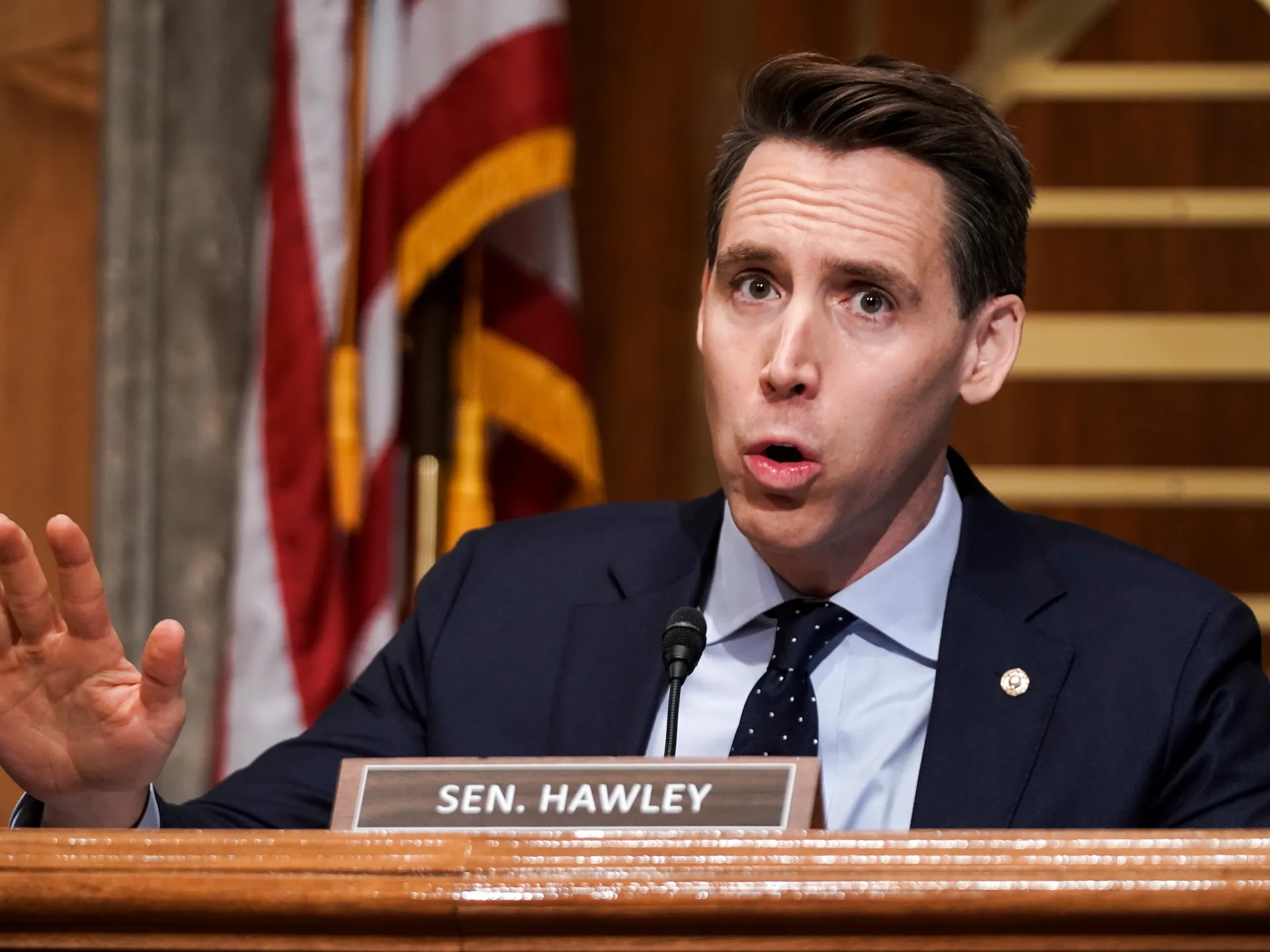
Hawley explained his early support as rooted in constitutional concerns. In public comments on social media, he said his interpretation of the Constitution led him to believe that Congress should vote on any future decision to deploy U.S. forces or engage in extended military involvement. That position reflected a long-standing debate in Washington over the balance of war powers between the legislative and executive branches.
But the narrative shifted later in the week when Hawley, along with at least one other Republican senator who had originally backed the measure, reversed his position during a Senate consideration of a point of order against the resolution. This procedural move was enough to help defeat the proposal, which ultimately failed with a tied vote that had to be broken by Vice President J.D. Vance, underscoring the razor-thin margins at play.
When asked about his decision to change his vote, the senator cited conversations with senior administration officials, including assurances that no U.S. ground troops would be deployed in Venezuela and commitments that the executive branch would consult Congress in the event of future decisions about major military operations. He said those assurances addressed his primary concerns and justified his shift.
The broader context for this clash involves the recent U.S. military operation in Venezuela, a country where tensions have escalated dramatically after the capture of its former leader. While the administration has maintained that the initial raid was limited in scope and did not involve ongoing combat deployments, the incident raised questions among lawmakers about how far the president can extend U.S. military authority without explicit congressional consent.
President Donald Trump’s reaction to the initial bipartisan support for the war powers resolution was swift and unapologetic. Through social media posts and public statements, he sharply rebuked the Republican senators who had joined Democrats. In his remarks, the president argued that their votes undermined national security and sought to weaken the executive’s role as commander-in-chief — even calling for some of them to be voted out of office.
The intensity of the president’s criticism appeared to influence the internal deliberations within the Republican caucus. Reports indicate that the White House reached out directly to the lawmakers who had supported the resolution, emphasizing the political stakes and the potential consequences of defying the president’s agenda. Such pressure highlights the ongoing struggle within the GOP over loyalty to party leadership versus adherence to constitutional principles.
Despite the resolution’s ultimate defeat in the Senate, the episode reveals broader fractures within the Republican Party. Several GOP senators have expressed unease about unchecked executive authority, especially in light of recent foreign policy decisions that have stretched traditional interpretations of war powers. Others have emphasized the importance of maintaining party unity and supporting presidential prerogatives in matters of national security.
The clash also opened a spotlight on the constitutional framework governing military engagement. The U.S. Constitution grants Congress the power to declare war, while the president serves as commander-in-chief, leading to recurring debates about the proper mechanisms for authorizing military force. The War Powers Resolution of 1973 attempted to clarify this balance, but lawmakers continue to disagree over its effectiveness and application.
Beyond the Senate, similar debates have unfolded in the House of Representatives, where lawmakers recently rejected a comparable resolution aimed at limiting presidential authority over military actions related to Venezuela. That measure failed in a tie vote, illustrating how deeply divided federal lawmakers are on these constitutional issues even within their own party lines.
Supporters of congressional oversight argue that requiring legislative approval for future military commitments would restore constitutional checks and balances and prevent prolonged foreign engagements without broad support. Critics counter that such requirements could impede timely responses to international crises and restrict the president’s ability to protect national interests.
This latest legislative battle underscores the broader dynamic reshaping American politics, where foreign policy decisions increasingly become flashpoints for internal partisan struggle. Lawmakers now face the challenge of reconciling their roles as constitutional stewards with the realities of party politics and executive influence. The consequences of these decisions could have lasting implications, not just for U.S. policy toward Venezuela, but for how Congress and the presidency share responsibility for matters of war and peace.
As the political fallout continues to unfold, attention will likely remain on how individual members of Congress navigate these competing pressures. For some, the issue represents a principled stand on constitutional authority. For others, it is a strategic calculation in the ever-evolving landscape of American political power. What remains clear is that debates over war powers and executive reach are far from settled, and that future conflicts — both legislative and geopolitical — will test the resilience of the nation’s governing framework.