
WASHINGTON, D.C. — A firestorm has erupted within the House of Representatives this week, drawing attention from both sides of the aisle and leaving Washington’s political circles reeling. At the center of the controversy are a series of recently released messages that have prompted sharp criticism, outrage, and urgent calls for accountability from members of Congress, particularly within the Republican Party.
The situation has quickly escalated from whispers in the halls of Capitol Hill to nationwide news coverage. Lawmakers, aides, and political commentators alike are grappling with the implications of these communications, which raise troubling questions about professional boundaries, ethics, and personal responsibility. According to sources familiar with the matter, the contents of the messages reveal behavior that some colleagues have characterized as inappropriate and predatory.
While the release of the communications was initially quiet, the scope of their reach has made it impossible for members of Congress to ignore. Conservative lawmakers, in particular, have expressed deep concern about what these revelations mean for the integrity of the party and the reputation of the House. Conversations over the past 48 hours suggest that some GOP members are considering unprecedented measures, with discussions of formal censure, ethics inquiries, or even resignation emerging as potential outcomes.
The controversy has also drawn attention to the broader challenges and vulnerabilities inherent in congressional office dynamics. Aides often work long hours in high-pressure environments, placing them in situations where personal and professional boundaries can be tested. Experts in legislative ethics note that any misuse of power or inappropriate communication can have long-lasting consequences, both for the individuals involved and the public’s trust in government institutions.
Amid this backdrop, speculation swirled as colleagues and political analysts attempted to identify the lawmaker implicated. Members of both parties have remained largely tight-lipped, though expressions of concern and calls for accountability have been publicly voiced. For many, the central question has become whether the alleged conduct represents a breach of ethical standards serious enough to warrant resignation or other disciplinary action.
The situation took a dramatic turn when the identity of the representative at the center of the controversy was confirmed: Rep. Tony Gonzales (R-TX). Gonzales, a member of the House Republican caucus, has faced immediate backlash following the release of the messages, which reportedly include a series of inappropriate communications with a former aide, Regina Santos-Aviles, who tragically passed away last year. The messages allegedly show that Gonzales solicited explicit photographs from Santos-Aviles, complicating the narrative around his conduct and amplifying calls for accountability.
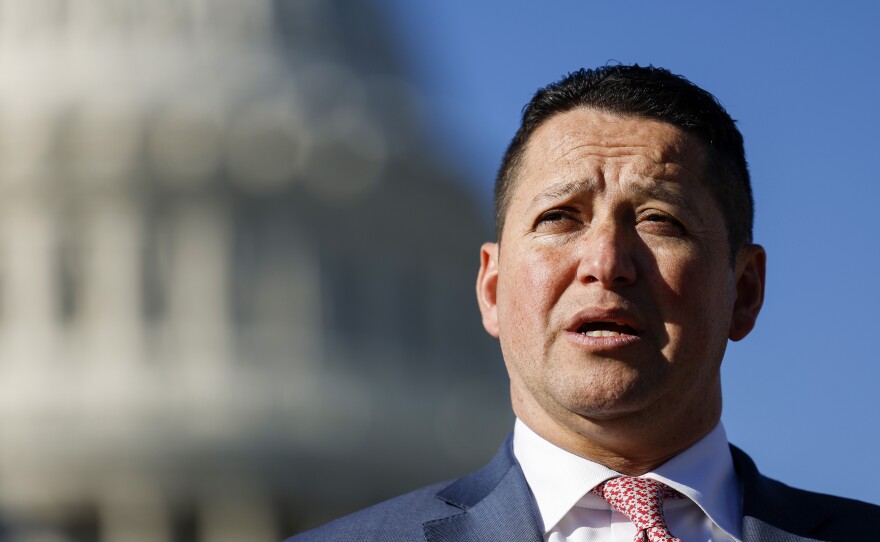
The implications of these revelations have reverberated throughout the House GOP. Several conservative lawmakers have publicly demanded that Gonzales step down, emphasizing the need to maintain the integrity of their party and the institution itself. Rep. Lauren Boebert (R-CO) was among the first to voice her outrage on social media, tweeting a blunt call for resignation: “@RepTonyGonzales, RESIGN!” Others have echoed similar sentiments in public statements and interviews, underscoring the intensity of the political fallout.
Adding to the gravity of the situation is the personal dimension of the tragedy surrounding Santos-Aviles. She was not only an aide but also a mother to an eight-year-old son, highlighting the human cost behind the headlines. Her husband, Adrian Aviles, has come forward with evidence, including thousands of text messages, that suggest a complex relationship and, according to him, subsequent harassment. Gonzales’ alleged response — labeling discussions of settlements as “blackmail” — has intensified scrutiny of his actions and fueled public anger.
Even among lawmakers who typically offer party solidarity, support for Gonzales appears tenuous. Rep. Tim Burchett (R-TN) stated unequivocally that Gonzales “needs to go,” while Rep. Anna Paulina Luna (R-FL) called the nature of the messages “disgusting” and urged colleagues to take decisive action to uphold the credibility of the House of Representatives. The uniformity of condemnation among conservative lawmakers has been notable, reflecting both the severity of the allegations and the desire to maintain public trust.
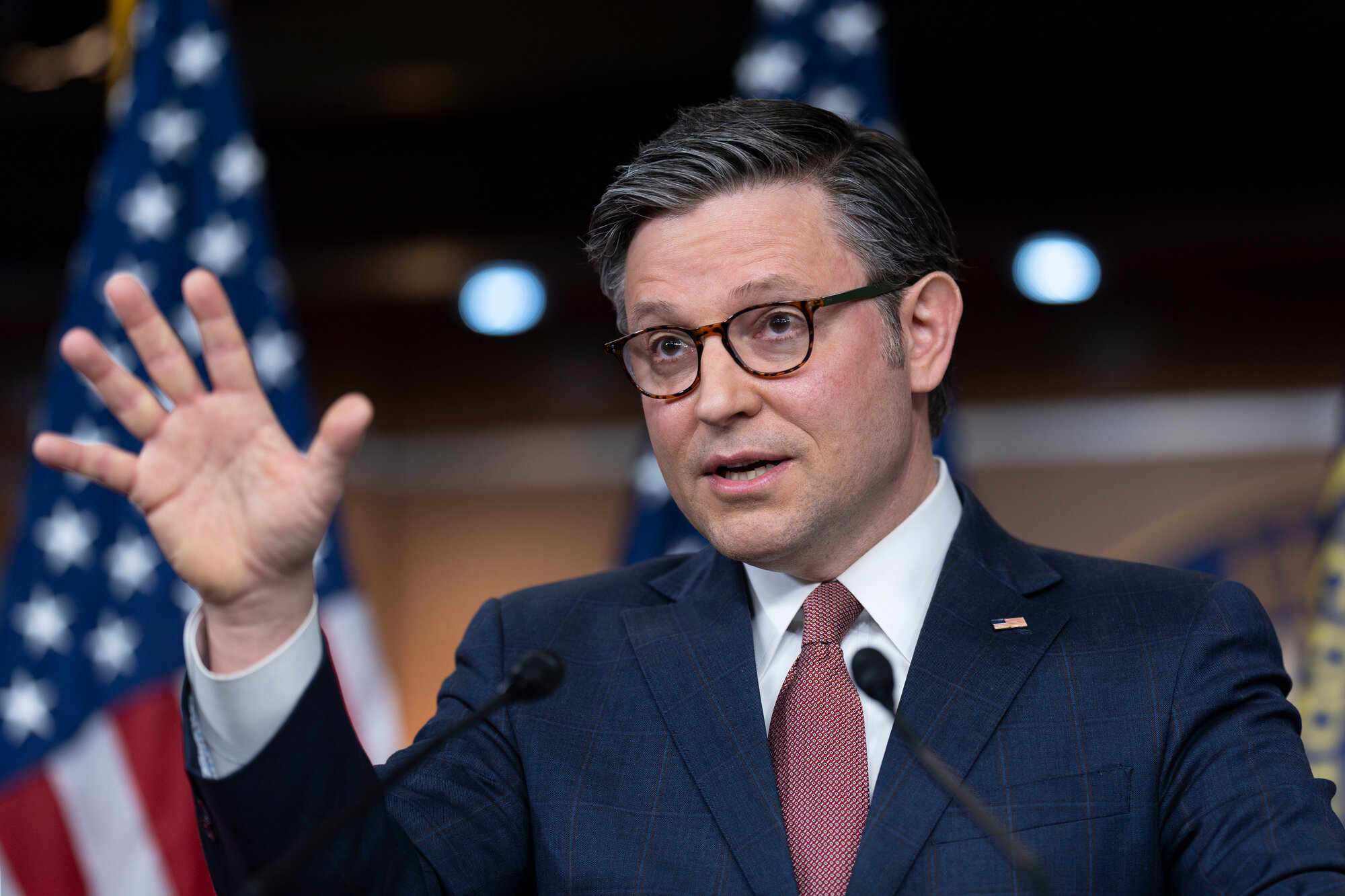
House leadership has responded with a more measured approach. Speaker Mike Johnson acknowledged the seriousness of the accusations and emphasized that investigations must run their course before definitive action can be taken. Johnson stated, “There are serious accusations, and it must be taken seriously,” highlighting the need to balance due process with public accountability in an environment already rife with political tension.
The scandal has sparked broader discussions about power dynamics, workplace ethics, and oversight in congressional offices. Advocacy groups and political analysts have pointed out that incidents of predatory behavior, particularly when involving elected officials and their staff, underscore the importance of clear ethical guidelines and enforcement mechanisms. The Gonzales case has become emblematic of these concerns, with commentators arguing that it could serve as a catalyst for reforms aimed at preventing future misconduct.
The political ramifications extend beyond the immediate calls for resignation. The House GOP faces pressure to act decisively, both to preserve its internal cohesion and to demonstrate accountability to constituents. At the same time, Democrats and media outlets have seized on the controversy as evidence of systemic issues within the party, further elevating its national significance. In such a politically charged environment, the consequences for Gonzales — whether voluntary resignation, censure, or further disciplinary measures — will likely set a precedent for how similar cases are handled in the future.
Public reaction has been swift and emotional. Constituents in Gonzales’ district, as well as advocacy organizations, have demanded transparency and decisive action. The combination of leaked communications, the tragic circumstances surrounding Santos-Aviles, and the apparent misuse of positional authority has created a potent mix of outrage, grief, and calls for reform. Social media platforms have been flooded with commentary, both condemning Gonzales and urging broader institutional accountability, reflecting the widespread resonance of the case.
Legal experts emphasize that the unfolding situation is complex. While the allegations carry significant political weight, determining whether they constitute legal violations or warrant formal sanctions requires careful review of the evidence, internal congressional rules, and potential civil actions. The intersection of law, ethics, and politics ensures that the matter will remain under close observation, with multiple stakeholders — from congressional ethics committees to advocacy groups and the general public — monitoring developments closely.
The Gonzales case, tragic in its human dimensions and consequential in its political implications, illustrates how individual actions can ripple outward, affecting colleagues, constituents, and public confidence in governmental institutions. As the situation continues to evolve, the House GOP’s handling of the matter will serve as both a test of internal governance and a signal to the broader public about the party’s commitment to accountability, integrity, and ethical conduct.
As investigations proceed, the coming weeks will likely determine Gonzales’ political future and potentially prompt discussions about structural reforms to congressional oversight. Meanwhile, the memory of Regina Santos-Aviles and the concern for her surviving family remain central to the public discourse, reminding lawmakers and citizens alike of the human stakes behind political controversies.

Emily Johnson is a critically acclaimed essayist and novelist known for her thought-provoking works centered on feminism, women’s rights, and modern relationships. Born and raised in Portland, Oregon, Emily grew up with a deep love of books, often spending her afternoons at her local library. She went on to study literature and gender studies at UCLA, where she became deeply involved in activism and began publishing essays in campus journals. Her debut essay collection, Voices Unbound, struck a chord with readers nationwide for its fearless exploration of gender dynamics, identity, and the challenges faced by women in contemporary society. Emily later transitioned into fiction, writing novels that balance compelling storytelling with social commentary. Her protagonists are often strong, multidimensional women navigating love, ambition, and the struggles of everyday life, making her a favorite among readers who crave authentic, relatable narratives. Critics praise her ability to merge personal intimacy with universal themes. Off the page, Emily is an advocate for women in publishing, leading workshops that encourage young female writers to embrace their voices. She lives in Seattle with her partner and two rescue cats, where she continues to write, teach, and inspire a new generation of storytellers.