
In the first weeks of 2026, a major U.S. retail empire that once operated hundreds of physical storefronts and online channels shocked customers and industry observers by announcing widespread closures and a formal move into bankruptcy protection. The impact of this development has reverberated through the retail sector — from landlords and mall owners to suppliers and employees — and is being described by analysts as one of the sector’s most consequential downturns in recent memory.
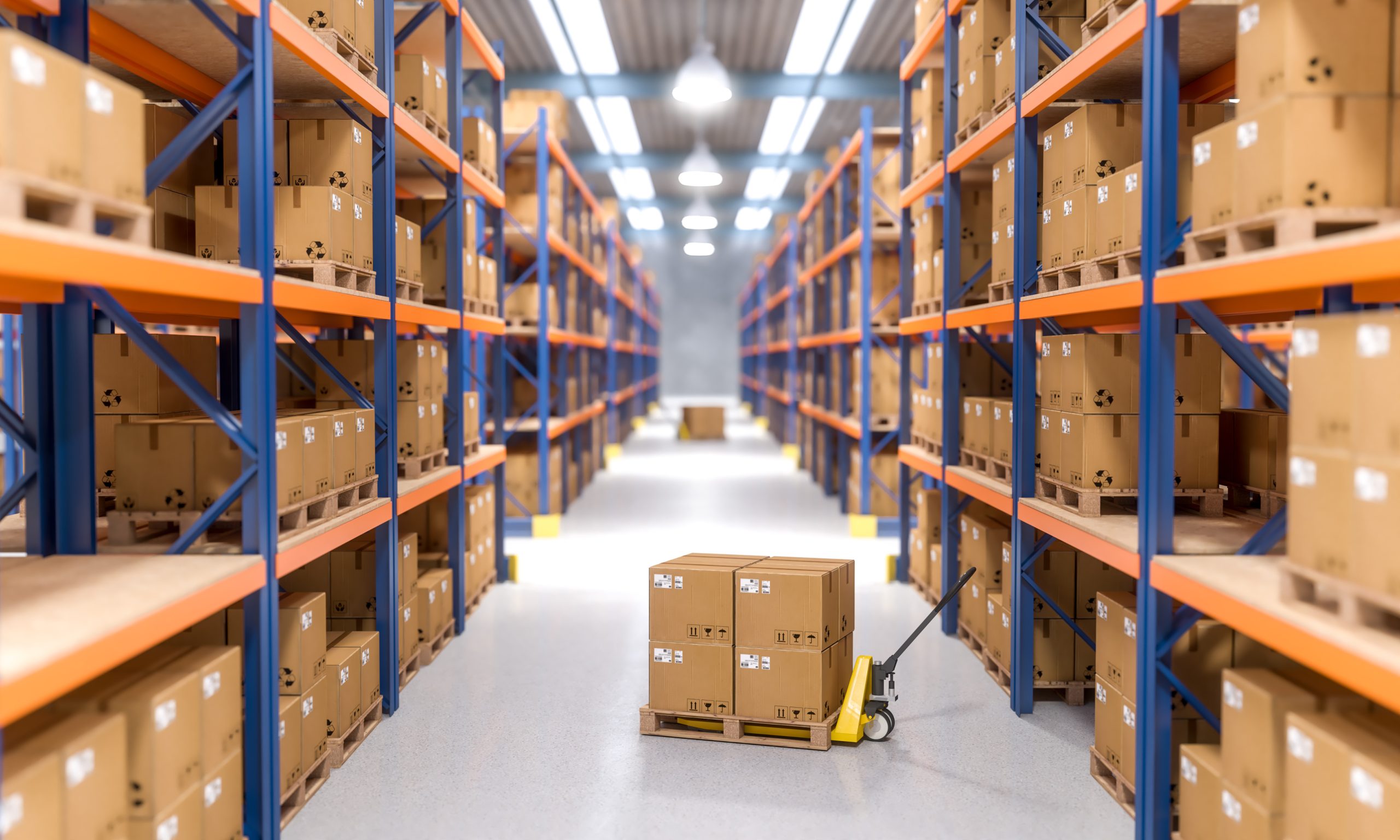
The company in question — long known for its wide range of merchandise, from luxury apparel to specialized accessories — saw a rapid contraction of its physical footprint, with over 70 under-performing locations permanently shut as part of cost-cutting and restructuring efforts in early 2026. Many long-time shoppers reported surprise and frustration as their local stores stopped restocking merchandise, reduced services, and ultimately pulled back entirely.
Industry insiders say the closures are not isolated incidents or seasonal adjustments, but the result of mounting financial pressures that culminated in a decision to seek Chapter 11 bankruptcy protection. This move allows the company to reorganize under court supervision while attempting to maintain operations of its remaining stores and web platform in the hopes of emerging stronger.
Shuttered Stores and Changing Consumer Patterns
The wave of closures included both traditional full-line stores and a number of discount-oriented outlets that had previously offered branded merchandise at reduced prices. For consumers, this meant diminished options in major metropolitan malls and shopping districts, particularly where the retailer had once been a fixture. Multiple locations in key shopping cities saw their doors close in January and early February 2026, with no immediate plans to reopen.
Retail analysts point to a combination of factors that contributed to the decline — including declining foot traffic in malls, shifts in consumer spending toward online channels, and fierce competition from brands that lean heavily on e-commerce and discount pricing. These broader trends have undermined the viability of large, multi-floor department stores across the country, forcing many to rethink their business models.
Despite the closures and financial struggles, some parts of the business remained open. The company’s remaining stores continued to welcome customers, and special clearance events aimed at moving excess inventory appeared on its digital storefronts. These sales often featured steep markdowns, with some products discounted as much as 80 % to clear shelves and generate cash flow.
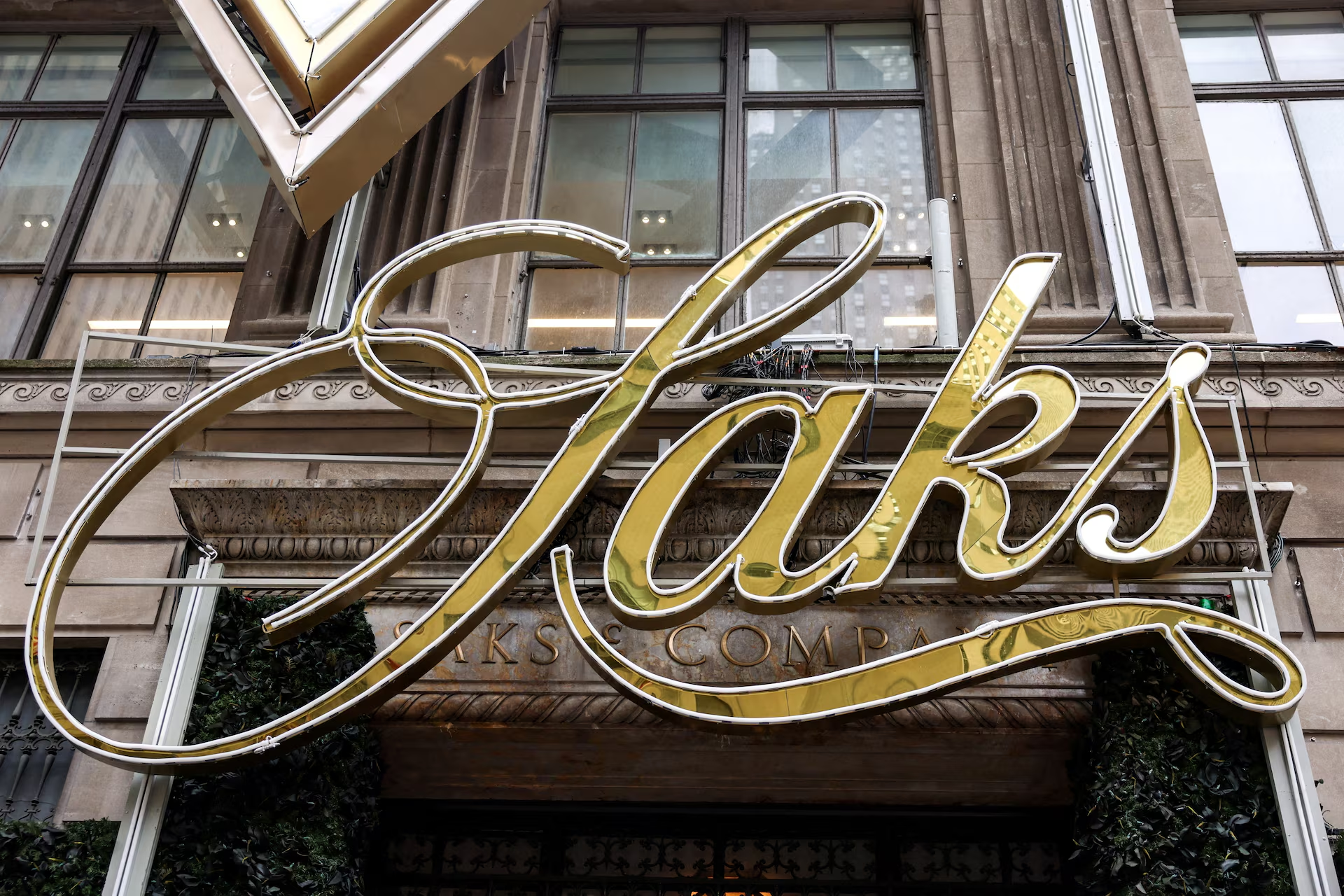
Around mid-January 2026, the name behind this sweeping contraction became public: Saks Global Holdings LLC, a holding company that oversees several prominent department store brands in the United States, filed for Chapter 11 bankruptcy protection.
Saks Global’s bankruptcy filing marked a significant moment in the evolution of retail. Formed in 2024 through the consolidation of several well-known luxury and off-price chains, the company owned and operated a portfolio that included full-line flagship stores, mid-tier outlets, and discount brands. Its footprint spanned dozens of states with both large multi-level locations in major cities and smaller outlets in suburban malls.
As part of the bankruptcy process, the firm disclosed around 70 Saks Off 5th discount stores, multiple flagship department stores, and a handful of specialty boutiques under its umbrella. The exact number of locations affected by the bankruptcy and subsequent closures has been a point of focus, with analysts tracking shifts in store counts and sales territories.
The Road to Bankruptcy: Debt, Mergers, and Market Pressures
A major driver of the company’s plight was a large acquisition it completed in late 2024 — a roughly $2.7 billion merger intended to strengthen its position in the luxury retail market. This deal brought together complementary brands and was backed by significant debt. However, the anticipated boost in profitability did not materialize as planned.
By late 2025, the company began to experience liquidity issues, including a missed interest payment of more than $100 million on its debt. This development foreshadowed the tightening financial situation and was widely reported by financial media as a red flag that bankruptcy was imminent.
Under the Chapter 11 filing, the company has outlined plans to restructure its debt, streamline operations, and focus on segments it believes have the best chance for long-term success. The bankruptcy protection allows the retailer to continue operating existing stores, managing vendor relationships, and serving customers while its leadership negotiates with creditors in federal bankruptcy court.
To secure liquidity during the restructuring, the company obtained a $1.75 billion financing commitment from a group of lenders and bondholders — a move that provides breathing room to keep key operations running and protect employee payroll and benefit programs.
Impact on Suppliers, Employees, and Creditors
The bankruptcy filing has generated uncertainty not only for customers, but also for suppliers, landlords, and investors. Dozens of small and mid-sized vendors — including some high-end fashion houses — are listed as unsecured creditors with millions in outstanding claims for merchandise already delivered.
Among the largest claimant names are several well-known brands in the fashion and beauty sector, each owed tens of millions of dollars for products shipped to the retailer’s stores prior to the bankruptcy. These debts complicate negotiations and make it more challenging for the company to secure favorable terms, since unsecured creditors are typically lower in priority during reorganizations.
Moreover, a committee representing junior creditors — including major partners such as an online marketplace giant and several luxury fashion houses — has been formed to oversee negotiations. Having these influential players at the table highlights how deeply interconnected the company’s financial troubles are with broader industry supply chains.
Employees have also felt the effects. While the company has stated that it plans to maintain payroll and benefits for the foreseeable future, workforce reductions have already occurred in certain underperforming locations. Staff members at stores slated for closure have been offered severance packages or opportunities to transfer to remaining outlets where possible.
Real Estate and Landlord Relations
Beyond operational challenges, the retailer’s bankruptcy has strained relations with landlords and mall operators. Some commercial property owners have sought to terminate leases of specific locations due to unpaid rent, leading to legal disputes in bankruptcy court. These actions reflect the broader stress on physical retail spaces at a time when many consumers prefer online shopping or direct-to-consumer purchasing models.
The shift away from brick-and-mortar stores has been a persistent theme in retail for over a decade, but its acceleration in recent years has particularly impacted large department stores with high overhead costs. Analysts have pointed to the pandemic, rising interest rates, and changing consumer preferences as critical factors accelerating this structural change.
What Comes Next: Reorganization or Reinvention?
Looking ahead, the company’s path is far from certain. Successful emergence from Chapter 11 would require not only restructuring existing debt, but also reinvigorating the customer experience and regaining supplier confidence. Its leadership has expressed optimism that the process could yield a more resilient business model — one that aligns better with modern retail trends.
However, skeptics argue that simply reorganizing debt will not be enough to counteract the broader decline of traditional department stores. Some believe that continued store closures, partnerships with online platforms, or even eventual sale of assets may be necessary to preserve parts of the business.
For customers, the immediate impacts are clear: fewer physical stores, shifting inventory, and an uncertain future for loyalty programs and in-store experiences. For employees, suppliers, and landlords, the bankruptcy proceedings represent a period of negotiation, risk, and potential loss.
What remains to be seen is whether this storied retail presence — once synonymous with traditional shopping and aspirational branding — can adapt successfully to a radically altered landscape. As 2026 unfolds, its restructuring will likely be watched closely by retailers, investors, and industry analysts alike.

Emily Johnson is a critically acclaimed essayist and novelist known for her thought-provoking works centered on feminism, women’s rights, and modern relationships. Born and raised in Portland, Oregon, Emily grew up with a deep love of books, often spending her afternoons at her local library. She went on to study literature and gender studies at UCLA, where she became deeply involved in activism and began publishing essays in campus journals. Her debut essay collection, Voices Unbound, struck a chord with readers nationwide for its fearless exploration of gender dynamics, identity, and the challenges faced by women in contemporary society. Emily later transitioned into fiction, writing novels that balance compelling storytelling with social commentary. Her protagonists are often strong, multidimensional women navigating love, ambition, and the struggles of everyday life, making her a favorite among readers who crave authentic, relatable narratives. Critics praise her ability to merge personal intimacy with universal themes. Off the page, Emily is an advocate for women in publishing, leading workshops that encourage young female writers to embrace their voices. She lives in Seattle with her partner and two rescue cats, where she continues to write, teach, and inspire a new generation of storytellers.