

A former high-ranking federal lawmaker is at the center of a sensational civil lawsuit that accuses her of interfering in a long-term marriage through a secret relationship with a member of her own security detail. The lawsuit, filed in a state court that recognizes one of the country’s rarest marital torts, lays out a series of allegations that range from inappropriate personal conduct to behavior that allegedly occurred during official work travel.
The complaint, which has already drawn national attention, is notable not only for the details it contains but also for the legal mechanism under which it was filed. The plaintiff is relying on an unusual state law that allows a spouse to seek damages from a third party accused of destroying a marriage. Though seldom used in modern litigation, the statute remains valid in a small number of states and has occasionally produced high-profile cases.
At its core, the lawsuit claims that a powerful political figure used her position and proximity to a married subordinate to cultivate an intimate relationship that ultimately led to the collapse of a family. The allegations are strongly disputed, and no criminal charges have been filed, but the filing itself has raised questions about workplace boundaries, ethics, and accountability for elected officials.
A Marriage at the Center of the Complaint
According to the civil filing, the plaintiff alleges that she was married to her husband for more than a decade before the alleged affair began. The marriage, she claims, was stable and intact prior to her husband’s professional involvement with the political figure now named in the lawsuit.
The husband, a military veteran with years of service overseas, joined the lawmaker’s security detail after retiring from the U.S. Army. His role reportedly placed him in close daily contact with the official, including during travel and public appearances. Over time, the lawsuit alleges, that professional relationship crossed personal boundaries.
The complaint claims the lawmaker engaged in repeated private communications with the married man that were sexual in nature and increasingly explicit. These exchanges, the filing alleges, coincided with a growing emotional distance between the husband and wife at home.
Allegations of Escalating Intimacy
As the alleged relationship progressed, the lawsuit claims the lawmaker became more openly affectionate with the man during work-related events. The filing describes instances of physical closeness at public functions, along with gifts, concert tickets, and trips to destinations such as California wine country and Las Vegas.
The plaintiff further alleges that her husband began altering his behavior to accommodate the relationship, including no longer wearing his wedding ring in public settings. According to the complaint, he eventually admitted to the affair before initiating divorce proceedings, leaving the plaintiff to raise three children while navigating the legal and emotional fallout.
The lawsuit paints a picture of a relationship that, if proven, extended well beyond a brief indiscretion and instead represented a sustained and intentional involvement that undermined a marriage.
Drug and Travel Claims
Among the most controversial allegations in the filing are claims related to illegal substances. The lawsuit asserts that the lawmaker encouraged the married man to bring MDMA — commonly known as ecstasy or “molly” — on work trips. According to the complaint, she allegedly expressed interest in guiding him through a psychedelic experience and even paid for psychedelic-related treatment.
These allegations are included as part of a broader narrative intended to demonstrate recklessness, manipulation, and disregard for professional norms. No law enforcement agency has announced an investigation related to these claims, and the lawsuit itself is a civil action rather than a criminal case.
Still, the inclusion of such accusations has amplified public interest and added to the explosive nature of the filing.
The Former Senator
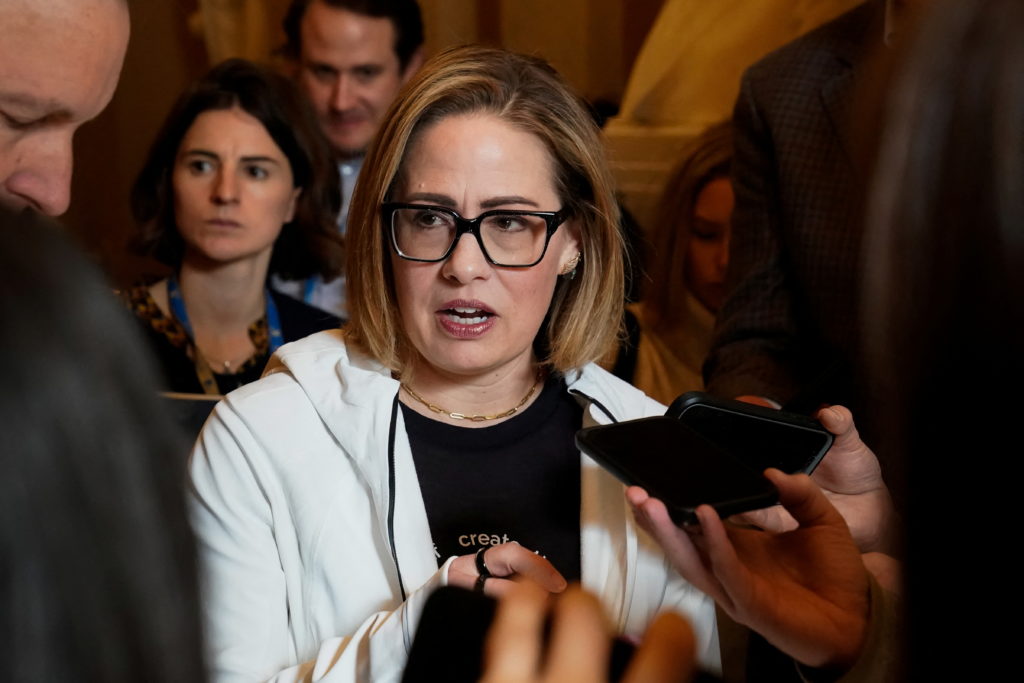
Roughly halfway through the lawsuit, the political figure at the center of the allegations is identified as former U.S. Senator Kyrsten Sinema of Arizona.
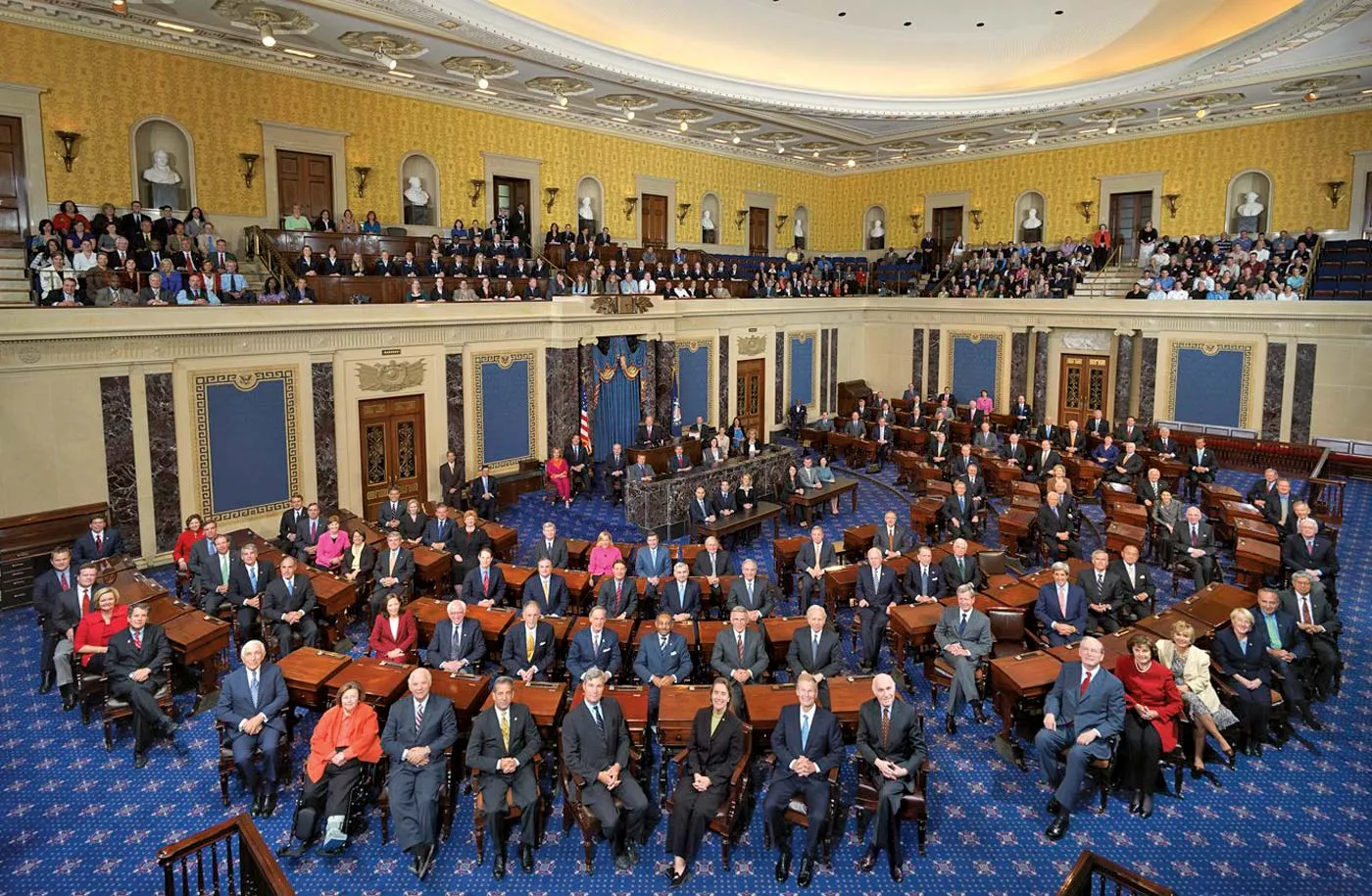
Sinema served one term in the U.S. Senate from 2019 through 2025. Initially elected as a Democrat, she later left the Democratic Party and registered as an independent while still in office. In 2024, she announced that she would not seek re-election.
The complaint alleges that the affair occurred while Sinema was serving as a sitting U.S. senator and that her position of authority contributed to the imbalance of power in the relationship. Her legal team has not conceded any wrongdoing, and no court has ruled on the merits of the claims.
A Rare Legal Strategy
The lawsuit was filed in North Carolina under the state’s “alienation of affection” law, a legal doctrine that has been abolished in most of the country but remains enforceable in only a handful of states.
Under this statute, a spouse may seek damages from a third party accused of willfully and maliciously destroying a marriage. To succeed, the plaintiff must demonstrate that a loving marital relationship existed, that the affection between spouses was alienated, and that the third party’s conduct directly caused the breakdown of the marriage.
Legal experts note that these cases are difficult to win but can be powerful when supported by documentary evidence such as messages, travel records, or witness testimony. The plaintiff in this case is seeking more than $25,000 in damages, as well as punitive damages and attorney’s fees.
Professional Boundaries and Power Dynamics
Beyond the salacious details, the lawsuit raises broader questions about ethics and workplace conduct, particularly when it involves elected officials and staff members. Relationships between supervisors and subordinates are often scrutinized for potential coercion, favoritism, or conflicts of interest, even when consensual.
The complaint alleges that Sinema’s role as a senator gave her unique influence over the man’s career, including his transition from a security role into a salaried Senate staff position focused on defense and national security matters. If proven, critics argue such dynamics could complicate claims of equal footing between the parties involved.
Supporters of Sinema, however, caution against drawing conclusions based solely on allegations. They emphasize that civil lawsuits reflect one side of a dispute and that courts exist precisely to evaluate such claims through evidence and due process.
Legal Maneuvering Begins
Earlier this week, Sinema’s attorney filed a request to move the lawsuit from state court to federal court. Such a move can change the procedural landscape of the case and may affect timelines, jurisdictional arguments, and discovery rules.
The request does not address the substance of the allegations but signals an early legal strategy aimed at reshaping how and where the dispute will be adjudicated. The court has not yet ruled on the request.
Meanwhile, the case continues to draw attention as an unusual intersection of personal allegations, political power, and an antiquated legal doctrine that rarely enters the national spotlight.
What Happens Next
At this stage, the lawsuit remains in its early phases. No trial date has been set, and the allegations have not been tested in court. If the case proceeds, it could involve extensive discovery, including text messages, travel records, and witness testimony.
The outcome may hinge on whether the plaintiff can meet the high legal threshold required by the alienation of affection statute. Regardless of the verdict, the case has already reignited debate over the relevance of such laws in modern society and the expectations placed on public officials.

Emily Johnson is a critically acclaimed essayist and novelist known for her thought-provoking works centered on feminism, women’s rights, and modern relationships. Born and raised in Portland, Oregon, Emily grew up with a deep love of books, often spending her afternoons at her local library. She went on to study literature and gender studies at UCLA, where she became deeply involved in activism and began publishing essays in campus journals. Her debut essay collection, Voices Unbound, struck a chord with readers nationwide for its fearless exploration of gender dynamics, identity, and the challenges faced by women in contemporary society. Emily later transitioned into fiction, writing novels that balance compelling storytelling with social commentary. Her protagonists are often strong, multidimensional women navigating love, ambition, and the struggles of everyday life, making her a favorite among readers who crave authentic, relatable narratives. Critics praise her ability to merge personal intimacy with universal themes. Off the page, Emily is an advocate for women in publishing, leading workshops that encourage young female writers to embrace their voices. She lives in Seattle with her partner and two rescue cats, where she continues to write, teach, and inspire a new generation of storytellers.