Federal authorities have issued grand jury subpoenas to several top Minnesota officials as part of an expanding investigation into whether state and local leaders improperly interfered with federal immigration enforcement operations, according to media reports and statements from state offices.
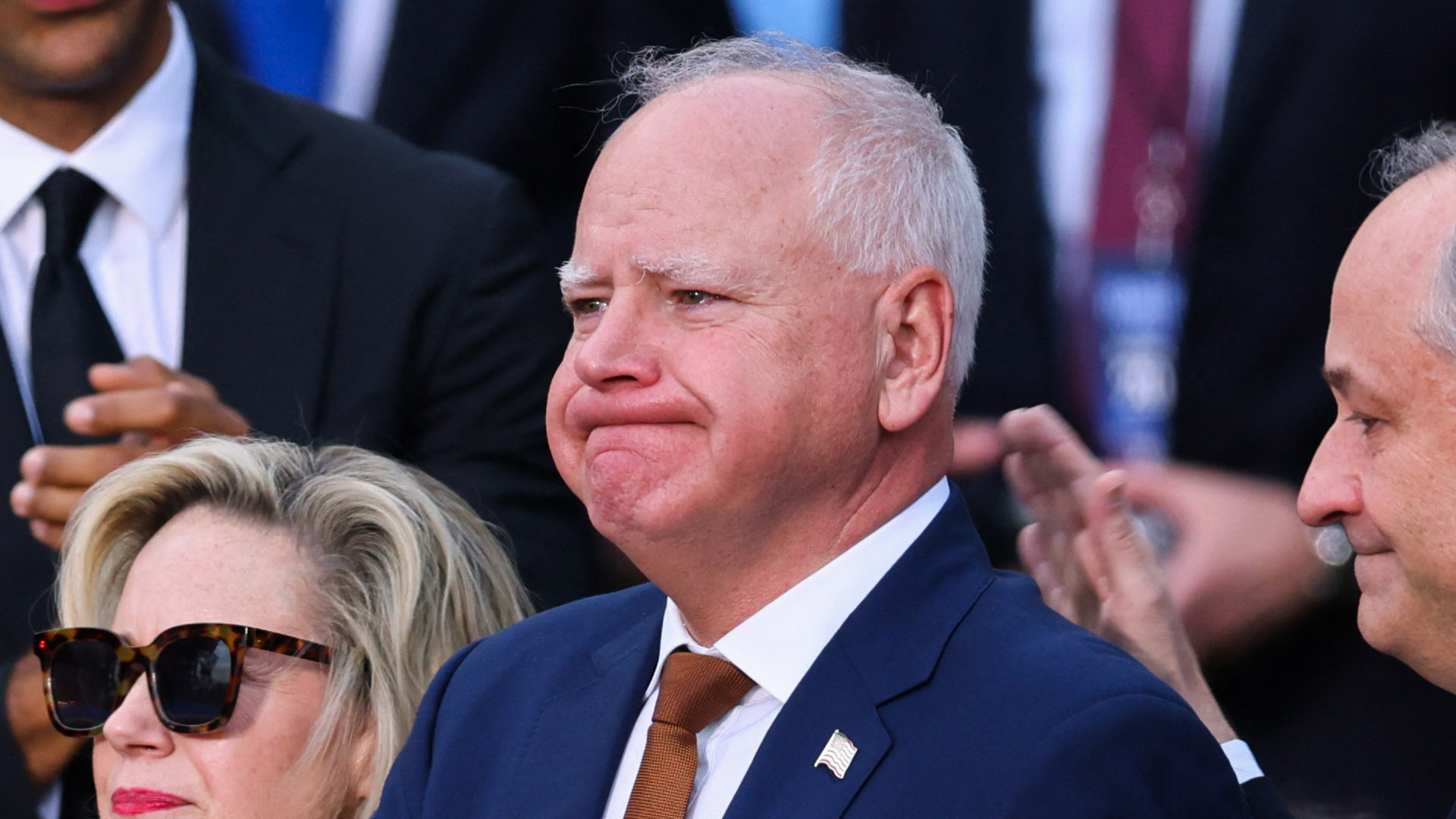
The subpoenas, reportedly served by the Federal Bureau of Investigation, were delivered to Minnesota Gov. Tim Walz, Attorney General Keith Ellison, and Minneapolis Mayor Jacob Frey. They seek records and communications related to the officials’ actions and public statements during recent federal immigration operations in and around the Twin Cities.
According to reports first aired by Fox News, the subpoenas are connected to an investigation into a possible conspiracy to obstruct or hinder federal law enforcement activities during a large-scale immigration initiative led by the Department of Homeland Security (DHS). The operation, known as Operation Metro Surge, has been described by DHS as the largest coordinated immigration enforcement effort ever conducted in Minnesota.
Walz’s office confirmed to local outlet Fox 9 that the governor had received a subpoena. Neither Walz, Ellison, nor Frey has been formally charged with any crime, and the issuance of subpoenas does not imply wrongdoing. Grand jury subpoenas are investigative tools used to gather information as prosecutors determine whether criminal charges are warranted.
Focus of the investigation
According to the reports, the subpoenas request “records and communications,” a broad category that can include emails, text messages, memos, and other documentation related to interactions with federal agencies, advocacy groups, or internal discussions. The investigation is said to be examining whether public officials took coordinated actions that may have coerced, obstructed, or otherwise interfered with federal immigration agents as they carried out their duties.
Federal officials have not publicly detailed the specific conduct under review. The FBI did not immediately respond to requests for comment, and DHS has not released additional information beyond confirming the scope of Operation Metro Surge.
The reported investigation comes amid heightened tensions in Minnesota over immigration enforcement, particularly following a recent incident in which a U.S. Immigration and Customs Enforcement (ICE) agent fatally shot a woman during an encounter that authorities say escalated after she struck the agent with her vehicle. That shooting sparked days of protests in Minneapolis and neighboring communities, some of which targeted ICE facilities and law enforcement buildings.
Protests and political backlash
Demonstrations against ICE have continued in the Twin Cities, drawing sharp political reactions from both state and national figures. Some protests have been peaceful, while others have led to property damage and clashes with police, according to local officials and business owners.
Against that backdrop, Gov. Walz, Mayor Frey, and Attorney General Ellison — all Democrats — have publicly criticized federal immigration enforcement practices in Minnesota. They have voiced opposition to aggressive ICE operations, argued for immigrant protections, and emphasized the role of state and local governments in maintaining community trust.
Frey, in particular, has reiterated Minneapolis’ position as a city that limits cooperation with federal immigration enforcement except where required by law. Walz and Ellison have similarly framed their criticism as a matter of public safety and civil rights, arguing that fear of immigration enforcement can discourage immigrant communities from reporting crimes or cooperating with local police.
Supporters of the officials say those positions are policy disagreements, not evidence of unlawful interference. Critics, however, argue that rhetoric and administrative actions by state and local leaders may have crossed a legal line by actively impeding federal agents.
Scope of Operation Metro Surge
Operation Metro Surge involves approximately 3,000 federal personnel drawn from multiple agencies, including ICE, Customs and Border Protection (CBP), and Homeland Security Investigations (HSI). DHS has described the operation as targeting individuals with outstanding deportation orders, criminal convictions, or ties to transnational criminal organizations.
Federal officials say the operation was designed to enhance public safety and enforce immigration laws that Congress has already enacted. The size and visibility of the operation, however, made it a flashpoint in a state where immigration enforcement has long been politically contentious.
Legal experts note that while states and cities are generally not required to assist ICE, actively obstructing federal officers can raise constitutional and criminal issues.
“There’s a distinction between declining cooperation and affirmative interference,” said one former federal prosecutor, speaking generally about similar cases. “The courts have been clear that states can’t nullify federal law or prevent federal agents from doing their jobs.”
Political reaction
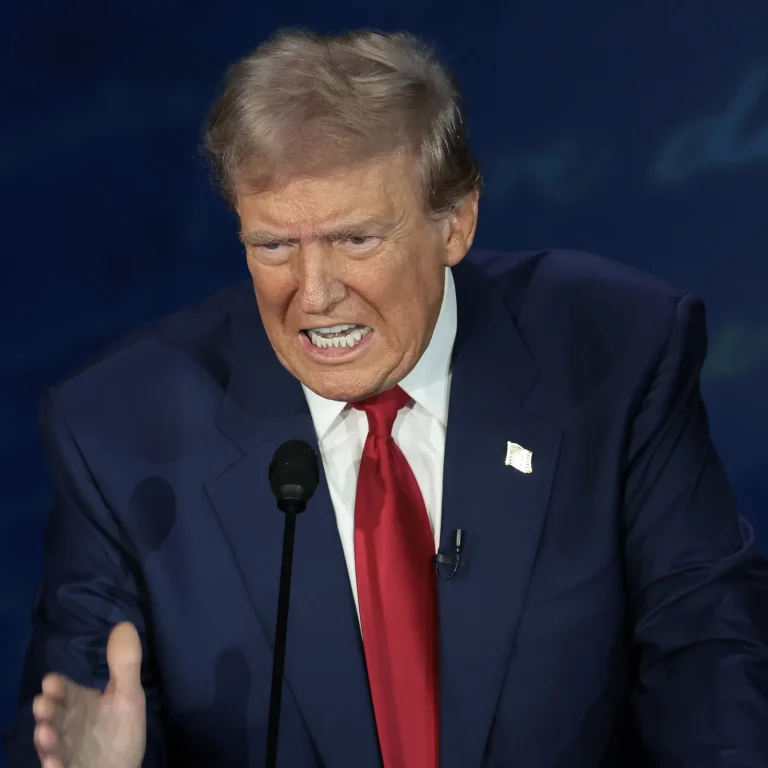
The subpoenas quickly became a focal point in national political debate. Former President Donald Trump weighed in publicly, calling for harsh consequences against what he described as “insurrectionists” and naming Minnesota political figures in his remarks. His comments drew both support from allies and condemnation from critics who accused him of inflaming tensions.
Within Minnesota, reactions split largely along partisan lines. Republican lawmakers called the investigation overdue and said it raised serious questions about whether state leaders had put ideology ahead of the rule of law. Democratic allies of Walz, Frey, and Ellison accused federal authorities and conservative media of politicizing routine legal processes.
Civil liberties groups urged caution, noting that subpoenas can be issued broadly and do not reflect a determination of guilt.
“A subpoena is not a verdict,” said one constitutional law scholar. “It’s a request for information. What matters is what the evidence shows and how the law applies.”
What happens next
Grand jury proceedings are secret, and it is unclear how long the investigation will last or whether additional subpoenas will be issued. Federal prosecutors will review the collected materials to determine whether any laws were violated and, if so, whether charges should be brought.
The officials involved have not indicated whether they intend to challenge the subpoenas in court, a step that can sometimes narrow their scope or delay compliance. For now, their offices have said they will cooperate with lawful requests while continuing to defend their policy positions.
The investigation also raises broader questions about the balance of power between federal immigration authorities and state and local governments — a debate that has played out repeatedly in courts and legislatures across the country over the past decade.
As protests continue and political rhetoric intensifies, the subpoenas mark a significant escalation in the conflict over immigration enforcement in Minnesota. Whether they ultimately lead to criminal charges or simply underscore the deep divisions over immigration policy remains to be seen.
For now, federal authorities are gathering evidence, state leaders are weighing their legal options, and Minnesota finds itself at the center of a national debate over law enforcement, immigration, and the limits of state resistance to federal power.