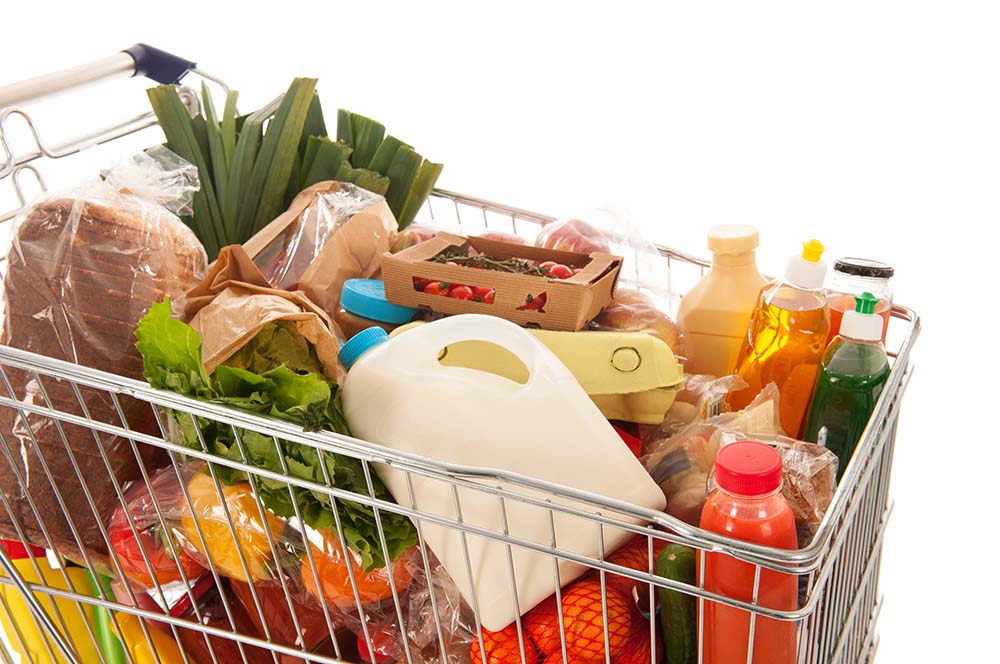
The U.S. Food & Drug Administration (FDA) has issued a sweeping recall of dozens of popular grocery products distributed by Gold Star Distribution, Inc., following the discovery of unsanitary conditions at one of the company’s storage facilities. According to the FDA, these conditions included rodent and bird contamination, which could lead to Salmonella exposure and other serious health risks.
The recall, announced on December 26, 2025, affects a broad range of well-known consumer products, including sodas, candy, cereals, pantry staples, baking items, and condiments. While no illnesses have been reported to date, the FDA warns that consuming these items poses a significant risk of bacterial infection, including Salmonella, and could also expose consumers to leptospirosis, a bacterial infection spread by rodents.
Details of the Contamination
The FDA inspection of the Gold Star facility revealed rodent excreta, rodent urine, and bird droppings contaminating the storage areas. These conditions were deemed severe enough to prompt the immediate recall of all FDA-regulated products stored at the location.
A senior FDA official explained:
“The presence of rodent and avian contamination in a storage facility creates a high risk of foodborne illness. Salmonella can be introduced to products through such contamination, and once ingested, it can cause severe gastrointestinal illness, especially in children, the elderly, and immunocompromised individuals.”
Rodents are also primary carriers of Leptospira, the bacteria responsible for leptospirosis, which can cause flu-like symptoms, kidney damage, or liver complications if contracted. The FDA stressed that these products should not be consumed under any circumstances.
Scope of the Recall
The recall is extensive, covering hundreds of products distributed to more than 50 grocery and convenience stores across three states: Minnesota, Indiana, and North Dakota. Major cities impacted include Minneapolis, St. Paul, Bloomington, Indianapolis, and Fargo.
It’s important to note that the recall does not affect frozen or refrigerated items distributed by Gold Star; only shelf-stable products stored at the contaminated facility are involved.
The FDA and Gold Star Distribution have published a detailed list of all recalled products, including Stock Keeping Units (SKUs) and Universal Product Codes (UPCs), to help consumers identify affected items.
Popular Beverages Recalled
One of the largest categories impacted is soft drinks. More than ten major soda brands are included in the recall, including select products from Coca-Cola, Pepsi, Diet Coke, Sprite, Canada Dry, A&W, 7Up, Mountain Dew, Dr Pepper, Sunkist, and Sun Drop.
Additionally, certain beverages from Snapple, Arizona Tea, Gatorade, Kool-Aid, and Minute Maid are part of the recall. These products were typically sold in 20-ounce bottles, two-liter bottles, and 12-pack cans.
Candy and Snacks
Given that many recalled items were destined for convenience stores, candy and snacks comprise another major category. Affected products include select items from Hershey’s, Snickers, M&M’s, Twix, Reese’s, Kit Kat, Butterfinger, Starburst, Airheads, Werther’s Original, Haribo, Skittles, and Trolli.
Other snack items included in the recall are Pringles, Jack Link’s beef jerky, Takis, and additional popular brands. These items are being recalled due to potential contamination from rodent or bird droppings during storage, posing a significant health risk if consumed.
Cereal Recalls
Shelf-stable cereals were also impacted. Popular brands include Cheerios, Honey Bunches of Oats, Fruit Loops, Lucky Charms, Cinnamon Toast Crunch, and Rice Krispies. The recall includes specific SKUs and packaging sizes, so consumers are urged to check labels carefully before consumption.
Pantry Staples and Condiments
The recall extends beyond snacks and beverages to a wide array of pantry essentials and baking products. This includes select items from Hunt’s Tomato Paste, Heinz Ketchup, Kraft products, Chef Boyardee, Ragu sauces, Morton Salt, Diamond Sugar, Gold Medal Flour, Jif, and Nutella.
These staples were stored at the contaminated facility and are at risk for Salmonella exposure. Consumers are urged to dispose of or return these products according to Gold Star’s instructions.
How to Identify Recalled Items
Consumers are advised to verify SKUs, UPCs, and product labels to determine if they possess recalled items. The FDA has made a comprehensive list publicly available, and shoppers should cross-check every potentially affected item before consumption.
Affected products can typically be identified by:
-
Product brand and type
-
Package size (e.g., 20-ounce bottles, two-liter bottles, 12-pack cans)
-
SKUs and UPCs listed in the FDA announcement
What to Do if You Have a Recalled Item
Gold Star Distribution has provided instructions for consumers who may have purchased affected products:
-
Do not consume the recalled items.
-
Destroy the product and submit proof of destruction to Gold Star at:
1000 N. Humboldt Ave, Minneapolis, MN 55411. -
Do not return products by shipping them; in-store returns are not authorized.
-
Request a refund from Gold Star Distribution for any affected items.
Consumers with questions about specific products can contact Gold Star directly at 612-617-9800, available 8 a.m. to 5 p.m. CST, seven days a week.
Health Risks
Salmonella contamination can cause serious gastrointestinal illness, including diarrhea, fever, abdominal cramps, and vomiting. Symptoms typically appear 6–72 hours after exposure. In severe cases, infection can spread to the bloodstream and become life-threatening, particularly for older adults, young children, and immunocompromised individuals.
Leptospirosis, while less common, poses additional risks. Transmitted through contact with rodent urine, it can result in kidney damage, liver failure, meningitis, respiratory distress, or even death if untreated.
The FDA emphasizes that immediate action is critical to prevent illness. Households with recalled items should either destroy or return products according to official guidance.
Background on Gold Star Distribution
Gold Star Distribution, Inc., is a wholesale distributor that supplies grocery stores, convenience stores, and other retailers across the Midwest. The company sources a wide range of brand-name products, which are then stored and shipped to multiple states.
The contaminated facility was subject to routine inspections, and the FDA’s findings highlighted longstanding sanitation failures. These failures included inadequate pest control, improper storage practices, and the presence of rodents and birds, which ultimately triggered the recall.
Regulatory Oversight
The FDA routinely monitors food storage and distribution facilities for compliance with safety regulations. When violations are detected, the agency has authority to mandate recalls, issue warning letters, and impose fines or other enforcement actions.
In this case, the agency worked quickly to notify consumers and retailers to prevent any illnesses. While no reports of Salmonella infection have been confirmed, the recall represents a precautionary measure to protect public health.
Broader Implications
This recall serves as a stark reminder of the risks posed by unsanitary storage conditions in the food supply chain. Even widely recognized brands can become unsafe if stored improperly, highlighting the importance of rigorous safety protocols and regular inspections.
Consumers are encouraged to remain vigilant and check all products for recalls, particularly for items purchased at convenience stores or from wholesale distributors.
How to Protect Yourself in the Future
To minimize risk from foodborne illnesses:
-
Check recalls regularly on FDA or USDA websites.
-
Inspect storage facilities for cleanliness when shopping locally.
-
Properly store foods at home, keeping dry goods in sealed containers and away from potential contamination.
-
Avoid consuming products past their expiration dates, especially if packaging appears damaged.
Conclusion
The Gold Star Distribution recall represents one of the largest recent recalls of consumer food products due to potential Salmonella contamination. With hundreds of grocery items affected — including soda, candy, cereals, condiments, and pantry staples — the FDA and Gold Star Distribution have urged consumers to take immediate action.
By carefully checking product labels, destroying or returning recalled items, and following FDA guidance, households can prevent illness and protect themselves and their families.
The recall underscores the importance of food safety oversight, proper storage conditions, and consumer vigilance. In a market where convenience and accessibility often take precedence, incidents like this serve as a critical reminder that sanitation and food safety must never be overlooked.

Emily Johnson is a critically acclaimed essayist and novelist known for her thought-provoking works centered on feminism, women’s rights, and modern relationships. Born and raised in Portland, Oregon, Emily grew up with a deep love of books, often spending her afternoons at her local library. She went on to study literature and gender studies at UCLA, where she became deeply involved in activism and began publishing essays in campus journals. Her debut essay collection, Voices Unbound, struck a chord with readers nationwide for its fearless exploration of gender dynamics, identity, and the challenges faced by women in contemporary society. Emily later transitioned into fiction, writing novels that balance compelling storytelling with social commentary. Her protagonists are often strong, multidimensional women navigating love, ambition, and the struggles of everyday life, making her a favorite among readers who crave authentic, relatable narratives. Critics praise her ability to merge personal intimacy with universal themes. Off the page, Emily is an advocate for women in publishing, leading workshops that encourage young female writers to embrace their voices. She lives in Seattle with her partner and two rescue cats, where she continues to write, teach, and inspire a new generation of storytellers.