Federal regulators have opened a formal review into a major broadcast network’s handling of a recent political interview, raising questions about how television programming intersects with longstanding election‑related laws. The action, initiated this week by the Federal Communications Commission (FCC), centers not on what was said during the interview, but on whether the network provided an unfair advantage to a political candidate by airing the segment in a way that might violate federal requirements governing broadcast media and political campaigns.
The FCC’s enforcement action stems from an appearance by a political figure on a nationally televised program earlier this month. That figure — a state legislator seeking his party’s nomination for the U.S. Senate — was invited as a guest on a widely watched daytime talk show, prompting concern that the network may have extended airtime to a legally qualified candidate without providing equivalent opportunities to that candidate’s rivals.
At issue is the so‑called “equal time” rule, a provision in U.S. law that requires broadcasters to offer comparable access to all legally qualified candidates for public office. While the rule has existed in some form since the earliest days of federal broadcast regulation, its application to modern entertainment‑oriented programming has become an increasingly contentious matter in recent years.
What Triggered the FCC Action
The enforcement process began after the state legislator’s appearance on the talk program prompted complaints from rival campaigns and other observers. Because the interview occurred during regularly scheduled programming and involved a candidate for public office, the FCC is evaluating whether the segment should have triggered a requirement to offer equivalent airtime — at no charge — to the other qualified contenders for the same seat.
FCC Chairman Brendan Carr declined to provide detailed specifics about the ongoing inquiry but reiterated the agency’s commitment to enforcing the equal time requirement consistently. “If you have a legally qualified candidate on, you have to give comparable air time to all other legally qualified candidates, and we’re going to apply that law,” Carr said in a brief public statement. He also pushed back against characterizations of the inquiry as censorship, explaining that the focus is on regulation of the public airwaves rather than control over editorial content.
The Legal Framework: Equal Time and the Communications Act
At the heart of the issue is the equal opportunities requirement of the Communications Act of 1934, commonly known as the equal time rule. Under this statute, when a broadcast station gives airtime to a legally qualified candidate for public office, it must offer an equivalent opportunity to all other candidates for that same office.
The rule is intended to ensure fairness in the use of publicly licensed broadcast spectrum, preventing broadcasters from unduly favoring one candidate over another. “Legally qualified candidates” are those who have publicly declared their intent to run and meet the relevant qualifications under federal or state law.
Under the rule, comparable airtime must match not only in duration but also in scheduling — meaning time of day and prominence — and must be offered free of charge if the original appearance was unpaid, as was the case here.
The equal time requirement originated from earlier regulatory frameworks, including the Radio Act of 1927, and was incorporated into the Communications Act of 1934 when the federal government sought to assert comprehensive oversight over the rapidly growing broadcast industry.
Exemptions: When Equal Time Doesn’t Apply
Importantly, the equal time rule is not absolute. Certain categories of programming are exempt from its application, including bona fide newscasts, news interviews, news documentaries (where a candidate’s appearance is incidental), and on‑the‑spot news coverage. Historically, these exemptions have allowed news programs to interview political figures without triggering equal time obligations.
However, the distinction between a news interview and entertainment‑oriented talk programming has become less clear in recent years, especially as many daytime and late‑night shows feature political figures alongside discussions of popular culture, lifestyle topics, and audience interaction.
Last month, the FCC issued new guidance addressing this very issue. Under the updated interpretation, daytime and late‑night talk shows do not automatically qualify for the news interview exemption; instead, exemptions must be evaluated on a case‑by‑case basis, with attention to factors such as the program’s format, the context of the candidate’s appearance, and whether the inclusion appears to be motivated by partisan considerations.
The guidance also notes that factors like a host’s political contributions or public statements can influence the assessment of whether a segment qualifies as a neutral news interview or instead constitutes candidate access requiring equal time — a clarification that adds complexity to how broadcasters plan and schedule political content.
Mid‑Article: The Show in Question
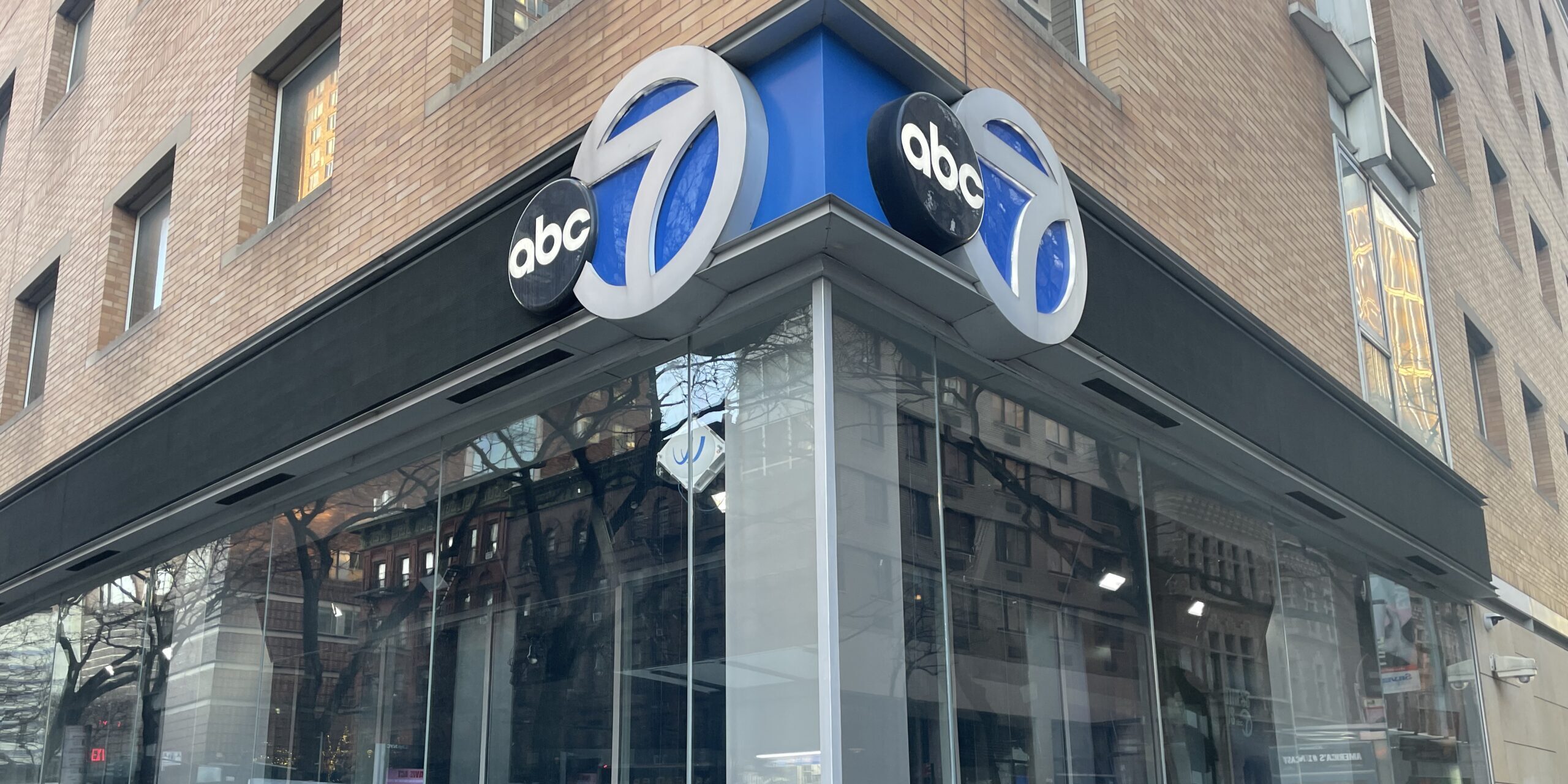
The program at the center of the FCC’s enforcement action is ABC’s long‑running daytime talk show “The View.” Known for its panel format and blend of current events, culture, and commentary, the show has hosted a wide range of public figures over the years. In this instance, the appearance of the Senate candidate — a Republican state representative from Texas seeking his party’s nomination — triggered regulatory scrutiny because of the specific legal obligations associated with candidate appearances.
According to filings with the FCC, the legislator appeared on the show during a segment earlier this month that focused in part on his political campaign. While the interview covered a range of topics, it included discussion of his candidacy and political positions. Because the interview was broadcast on a platform owned by a major television network and because it involved a legally qualified candidate, the equal time rule may have been implicated.

What Would Broadcasters Need to Do?
If the FCC determines that the network violated the equal time requirement, the broadcaster could be required to offer equivalent airtime to the other qualified candidates for the same office. Offering “comparable opportunities” generally means providing access to similar time slots, durations, and promotional placement. In many past instances, broadcasters have complied by scheduling appearances for other candidates or offering free advertising time.
Should a violation be confirmed, potential FCC penalties could include fines. While the FCC has the authority to impose financial sanctions, revocation of a broadcast license is exceedingly rare and typically reserved for the most egregious breaches of regulatory obligations.
Another remedy available to broadcasters is a declaratory ruling from the FCC, which would formally confirm whether a particular program or type of appearance is exempt from the equal time rule going forward. Networks and production companies sometimes seek such rulings proactively to avoid future disputes.
Broader Implications for Media and Politics
The FCC’s action has drawn attention from both legal analysts and media industry observers, who note that the case highlights ongoing tensions over how traditional broadcast regulations apply in a fragmented media landscape. With political figures appearing regularly on a wide variety of television and digital platforms, the boundaries between news reporting and entertainment programming have blurred.
Critics of the enforcement action argue that applying the equal time rule to programs like daytime talk shows could have a chilling effect on public discourse, discouraging networks from booking political guests altogether. Supporters of strict enforcement counter that failure to apply the rule consistently would allow broadcasters to skirt their obligations and create imbalanced exposure for certain candidates — precisely the circumstance the statute was designed to prevent.
The issue also raises questions about how new media trends — from social media live streams to podcast interviews — intersect with legacy broadcast regulations that were developed long before the internet age. While the equal time requirement applies specifically to entities that hold broadcast licenses from the federal government, the proliferation of alternative media avenues complicates how political messaging reaches the public.
The Network’s Position
As of this report, the broadcaster has not issued a formal comment on the FCC’s enforcement action. Representatives for the network may choose to respond once the FCC’s review has advanced or after the agency issues a formal notice of alleged violation.
Industry insiders suggest the network may argue that the interview qualified for a news interview exemption, given its journalistic context and the longstanding practice of political figures appearing on talk programming without triggering equal time obligations. However, the recent FCC guidance on exemptions may make that defense more challenging, especially if the agency determines that the interview lacked sufficient journalistic context or appeared to convey particular political benefit.
What’s Next
The FCC’s review is ongoing, and the next steps will likely involve formal correspondence between the agency and the network. Broadcasters typically have an opportunity to respond to any notice of alleged violation and present arguments or evidence supporting their view of how the law should apply.
While the process may unfold over weeks or months, the case is already being watched closely by media lawyers, political campaigns, and civil liberties organizations. Its outcome could influence how broadcasters handle candidate appearances in future election cycles and clarify the scope of regulatory obligations in an era where political content is ubiquitous across television and online platforms.
Conclusion
The enforcement action by the Federal Communications Commission underscores the continuing importance of long‑standing broadcast rules in the contemporary media environment. While the core principle — that all legally qualified candidates should be afforded equal opportunity on publicly licensed airwaves — may seem straightforward, its application to modern programming formats remains complex.
As the FCC’s investigation into the candidate appearance on national television continues, broadcasters and political observers alike will be paying close attention to how the agency interprets and enforces these rules. At stake is not only the immediate question of compliance in this case, but broader implications for fairness, media access, and the role of regulated broadcast platforms in shaping democratic discourse.

Emily Johnson is a critically acclaimed essayist and novelist known for her thought-provoking works centered on feminism, women’s rights, and modern relationships. Born and raised in Portland, Oregon, Emily grew up with a deep love of books, often spending her afternoons at her local library. She went on to study literature and gender studies at UCLA, where she became deeply involved in activism and began publishing essays in campus journals. Her debut essay collection, Voices Unbound, struck a chord with readers nationwide for its fearless exploration of gender dynamics, identity, and the challenges faced by women in contemporary society. Emily later transitioned into fiction, writing novels that balance compelling storytelling with social commentary. Her protagonists are often strong, multidimensional women navigating love, ambition, and the struggles of everyday life, making her a favorite among readers who crave authentic, relatable narratives. Critics praise her ability to merge personal intimacy with universal themes. Off the page, Emily is an advocate for women in publishing, leading workshops that encourage young female writers to embrace their voices. She lives in Seattle with her partner and two rescue cats, where she continues to write, teach, and inspire a new generation of storytellers.