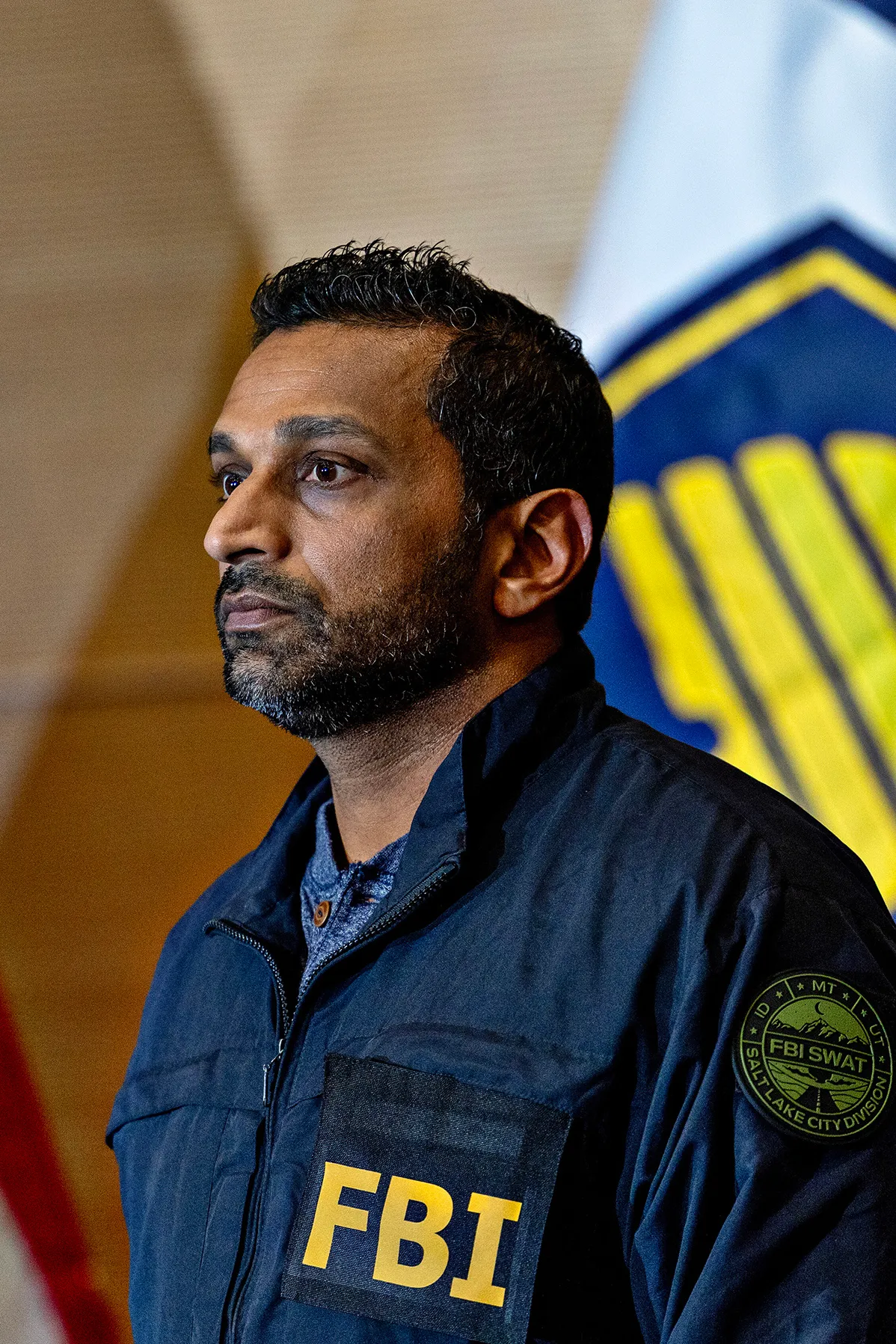
A former FBI agent who became a prominent whistleblower during the federal investigation into the Jan. 6, 2021, Capitol riot has been dismissed from the bureau for a second time, following remarks made during a recent podcast appearance that officials interpreted as threatening toward FBI leadership.
According to reporting by the New York Post, the agent—who had previously been suspended under the Biden administration and later reinstated after President Donald Trump returned to office—was removed from the FBI on Saturday after comments he made publicly drew concern within the bureau. Sources familiar with the matter told the outlet that the decision followed internal discussions about whether the remarks violated FBI policy and posed a potential security or conduct issue.
A Whistleblower’s Rise to National Attention
The agent first gained national prominence after alleging misconduct in the FBI’s handling of the Jan. 6 investigation, which ultimately resulted in the prosecution of roughly 1,600 defendants. He claimed that internal pressures and leadership decisions distorted investigative priorities and unfairly targeted certain individuals. Those allegations placed him at the center of a broader debate over the bureau’s role in politically sensitive cases.
In August 2022, he was placed on administrative leave, a move he said was retaliatory. He later resigned from the bureau in February 2023. During his time away from the FBI, he became an outspoken commentator, author, and frequent guest on conservative-leaning media platforms, where he continued to criticize federal law enforcement leadership and defend his claims.
Reinstatement—and Lingering Restrictions
In October, the former agent returned to the FBI’s payroll after reaching a settlement with the Justice Department, which included back pay. However, he did not immediately resume active duty at the Jacksonville field office. Sources said his return was conditional, pending the completion of a background check—a process that can be delayed in whistleblower-related cases.
Despite not being assigned investigative duties, the agent was once again subject to the FBI’s internal rules governing public statements and social media activity. Those policies restrict employees from commenting publicly on bureau operations, leadership, or internal matters without authorization.
Attorneys from Empower Oversight, the legal group that previously represented him and helped secure his reinstatement, later stated that they explicitly warned him in late November that these policies applied once he was back on the payroll.
Podcast Appearance Sparks Controversy
The renewed controversy stems from a podcast appearance earlier this month on a show hosted by a former FBI agent. During the discussion, the whistleblower questioned the legitimacy of the arrest of a Virginia man charged in connection with the Jan. 5, 2021, pipe bombings near the Democratic and Republican National Committee headquarters in Washington, D.C.
He suggested that the arrest was part of a broader cover-up related to Jan. 6, echoing claims that have circulated in some online communities. During the same conversation, he made remarks invoking “God’s wrath” in reference to a senior FBI official whom he accused of orchestrating misconduct.
According to the New York Post, the agent stated that the individual should “pray” never to encounter him as an instrument of divine judgment, using language that included violent imagery. While he did not name the official directly, he alluded to someone in the FBI’s executive leadership and made religious references that some listeners interpreted as pointing to FBI Director Kash Patel.
Internal Reaction Within the Bureau
A clip of the podcast circulated online after being shared by a retired FBI supervisory special agent, prompting concern among current bureau officials. Sources told the Post that leadership viewed the comments as crossing a line, particularly given the agent’s status as an FBI employee at the time.
Following the clip’s circulation, the agent was instructed to report in person to the Jacksonville field office to address the remarks. By Saturday, he was informed that his employment with the bureau had been terminated.
Officials cited multiple issues, including the content of the comments and what they described as a pattern of public statements that violated bureau policy. FBI rules are designed to maintain public trust, protect internal processes, and prevent employees from making statements that could be perceived as threatening or undermining institutional integrity.
Legal Representation Withdrawn
On the same day the controversial remarks were made, Empower Oversight terminated its representation of the agent. In a letter later posted publicly, the firm said it had warned him that continued public commentary could jeopardize his reinstatement and legal standing.
The letter stated that, despite those warnings, the agent continued to publicly criticize the FBI and promote conspiracy theories related to Jan. 6 and other matters. The firm said it could no longer represent him under those circumstances.
The withdrawal marked a significant shift for the whistleblower, who had relied on the organization’s legal backing during his earlier disputes with the bureau.
A Complicated Relationship With the FBI
The agent’s dismissal underscores the complicated and often tense relationship between whistleblowers and federal institutions. Supporters argue that whistleblowers play a vital role in exposing misconduct and holding powerful agencies accountable. Critics counter that public statements—especially those containing inflammatory language—can undermine credibility and blur the line between protected speech and misconduct.
In this case, FBI officials appear to have concluded that the agent’s remarks went beyond protected criticism and into territory that raised concerns about professionalism and safety.
Broader Implications
The episode highlights ongoing challenges facing the FBI as it navigates politically charged investigations, internal dissent, and public scrutiny. It also reflects the difficulty of reintegrating whistleblowers into sensitive roles once disputes become public and adversarial.
For the former agent, the dismissal represents another abrupt turn in a career that has become closely intertwined with the national debate over Jan. 6, law enforcement accountability, and the limits of internal dissent.
Whether his allegations about the FBI’s handling of Jan. 6 will have lasting impact remains an open question. What is clear is that his public comments—particularly those perceived as threatening—proved incompatible with continued employment at the bureau.
As of now, neither the FBI nor the former agent has issued a detailed public statement addressing the dismissal beyond what has been reported. The incident adds yet another chapter to a highly charged and controversial saga that continues to divide opinion inside and outside federal law enforcement.

Emily Johnson is a critically acclaimed essayist and novelist known for her thought-provoking works centered on feminism, women’s rights, and modern relationships. Born and raised in Portland, Oregon, Emily grew up with a deep love of books, often spending her afternoons at her local library. She went on to study literature and gender studies at UCLA, where she became deeply involved in activism and began publishing essays in campus journals. Her debut essay collection, Voices Unbound, struck a chord with readers nationwide for its fearless exploration of gender dynamics, identity, and the challenges faced by women in contemporary society. Emily later transitioned into fiction, writing novels that balance compelling storytelling with social commentary. Her protagonists are often strong, multidimensional women navigating love, ambition, and the struggles of everyday life, making her a favorite among readers who crave authentic, relatable narratives. Critics praise her ability to merge personal intimacy with universal themes. Off the page, Emily is an advocate for women in publishing, leading workshops that encourage young female writers to embrace their voices. She lives in Seattle with her partner and two rescue cats, where she continues to write, teach, and inspire a new generation of storytellers.