NOTE: VIDEO AT THE END OF ARTICLE
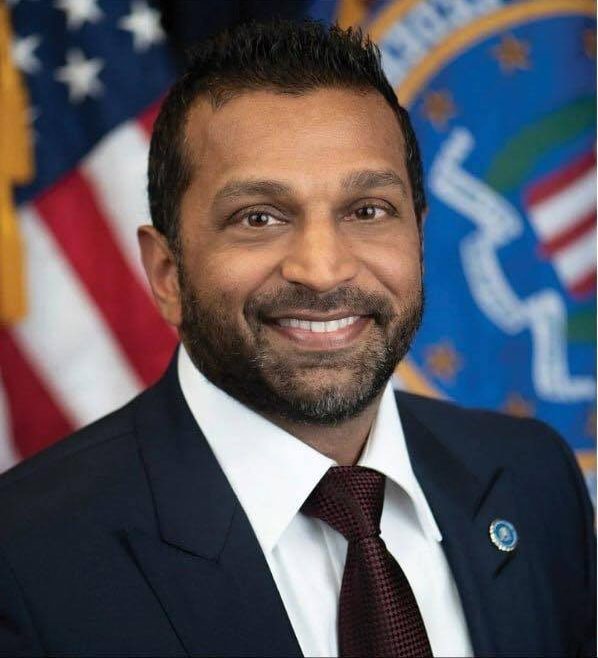
In a recent episode of The Joe Rogan Experience, former federal official Kash Patel made headlines by announcing a significant development in the ongoing investigations related to the U.S. government’s COVID-19 response.
Patel disclosed that the FBI has reportedly obtained personal electronic devices belonging to Dr. Anthony Fauci, the longtime director of the National Institute of Allergy and Infectious Diseases, who became a central figure during the pandemic. The devices, used during the height of the public health crisis, could offer insight into Fauci’s role and communications during that time.
“We had a big breakthrough just this week,” Patel said. “There’s been a long search for the phones and devices Fauci used during the first Trump administration. Nobody could locate them—until just two days ago. It’s a big step, but the work is far from over.”
While cautioning that some digital evidence might already be gone, Patel emphasized that the recovery of the devices is a strong sign that investigators are still actively pursuing the truth. He acknowledged that accountability would hinge not only on what’s found but also on whether the Justice Department and FBI follow through transparently.
Patel praised lawmakers like Senators Rand Paul and John Kennedy for continuing to press for answers about the origins of the virus and the federal response that followed. “They’ve kept the pressure on, and it’s paying off,” he added.
The timing of the investigation has renewed focus on a controversial decision made by former President Joe Biden on his last day in office—his pardon of Dr. Fauci. Framed by Biden as a shield against what he called “partisan legal harassment,” the pardon sparked immediate backlash from critics who argue it short-circuited legitimate inquiries.
Fueling the controversy is an emerging question about whether Biden personally authorized the pardon. Reports suggest it may have been executed via autopen—a mechanical signature device—raising concerns about whether the decision was officially approved by the president himself. Congressional Republicans and the Justice Department are currently examining the legality and legitimacy of the pardon process.
As investigators dig deeper into both the pandemic-era actions and the political decisions that followed, public interest in the outcome remains high. Whether these latest revelations lead to greater transparency or deepen political divides remains to be seen.

James Jenkins is a celebrated Pulitzer Prize-winning author whose work has reshaped the way readers think about social justice and human rights in America. Raised in Atlanta, Georgia, James grew up in a community that instilled in him both resilience and a strong sense of responsibility toward others. After studying political science and creative writing at Howard University, he worked as a journalist covering civil rights issues before dedicating himself fully to fiction. His novels are known for their sharp, empathetic portraits of marginalized communities and for weaving personal stories with broader political realities. Jenkins’s breakout novel, Shadows of Freedom, won national acclaim for its unflinching look at systemic inequality, while his more recent works explore themes of identity, resilience, and the fight for dignity in the face of oppression. Beyond his novels, James is an active public speaker, lecturing at universities and participating in nonprofit initiatives that support literacy and community empowerment. He believes that storytelling is a way to preserve history and inspire change. When not writing, James enjoys jazz music, mentoring young writers, and traveling with his family to explore cultures and stories around the world.